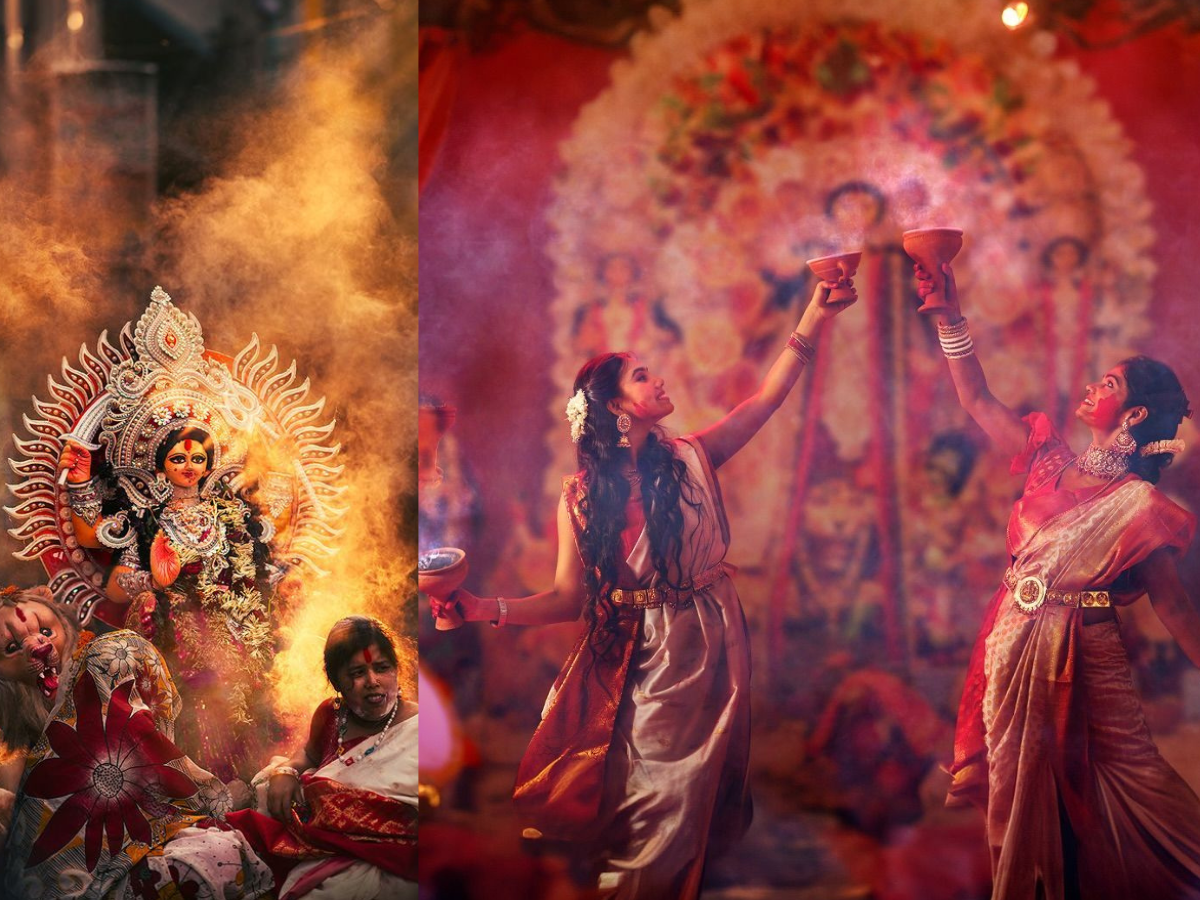
Navratri is not only a worship and celebratory festival, it has close relationship with the cycles of the moon too. The unperceived timing of most rituals hinges on the lunar cycle, i.e., the tithis (moon days) and favorable muhurta (moments). This make the festival spiritually significant and distinctive.
When Does Navratri Fall? The Lunar Months
Navratri is celebrated biannually according to the Hindu lunar calendar: in spring (Chaitra) and fall (Ashwin). The festival starts each time on the Shukla Paksha Pratipada, the initial day of the waxing phase of the lunar month. This way ensures that the nine nights of Navratri come during the growing of the moon, indicating prosperity and increasing power.
Why the Moon Phase Matters: Pratipada & Shukla Paksha
Waxing of the moon, Shukla Paksha, is supposed to usher in development, illumination, and goodness. That is the reason Navratri is initiated only during this time. On Pratipada, the first day, people pray by doing Ghatasthapana (installation of Kalash). It is ideal to be done early in the morning, at the most favorable muhurta, so that the positive effects of lunar and cosmic energies are gained.
The Relevance of Tithis and Muhurat
The Lunar Day aka Tithi: Every day/tithi is important enough and doing the rituals onb the proper day/tithi is as essential for the desired effect.
Muhurta (auspicious time): The right timing of muhurta is necessary for rituals such as Ghatasthapana. Early morning after sunrise, and before noon, is usually preferred. Sometimes inauspicious times are shunned to keep the ritual pure.
Navratri and Equinox: Cosmic Balance
Sharada Navratri would begin immediately after the autumnal equinox, when day and night are virtually equal. This balance in the universe gives symbolic meaning, highlighting the religious importance that the devotees attempt to achieve within the nine days. Chaitra Navratri also falls during spring, nature’s season of rebirth and new life, echoing the festival’s motifs of change and growth.
Ghatasthapana: Secret of Ritual Timing
Ghatasthapana, or Kalash Sthapana, is the initial and most significant ritual of Navratri. To suggest the arrival of Maa Durga, the followers place the kalash (holy pot) with water inside it, and the ritual is to be performed in the proper muhurta on Pratipada tithi. It is recommended that it should be performed at the very lunar time to bring positive energy and blessings for the remaining eight days of worship.
Life and Energy Throughout the Nine Days
Every one of the nine days of Navratri honors yet another form of Goddess Durga. The connection to the moon is such that whenever the moon expands and glows more intensely, the energy of the followers also expands and glows more intensely. Fasting, mantra chanting, and meditation every day for nine days are said to be more effective due to their resonance with lunar energy.
ALSO READ: Russia’s Secret Nuclear Bunkers: Chilling Reminders of the Cold War