
Navratri, the nine-day celebration of worshipping Goddess Durga and her different manifestations, is of great cultural and religious significance in India. Every day is assigned to a different incarnation of the Goddess, signifying different facets of power, virtue, and wisdom. The ninth day of Navratri, also called Mahanavami, is considered one of the most spiritually rich and auspicious days of the festival.
Goddess Siddhidatri – The Navami Goddess
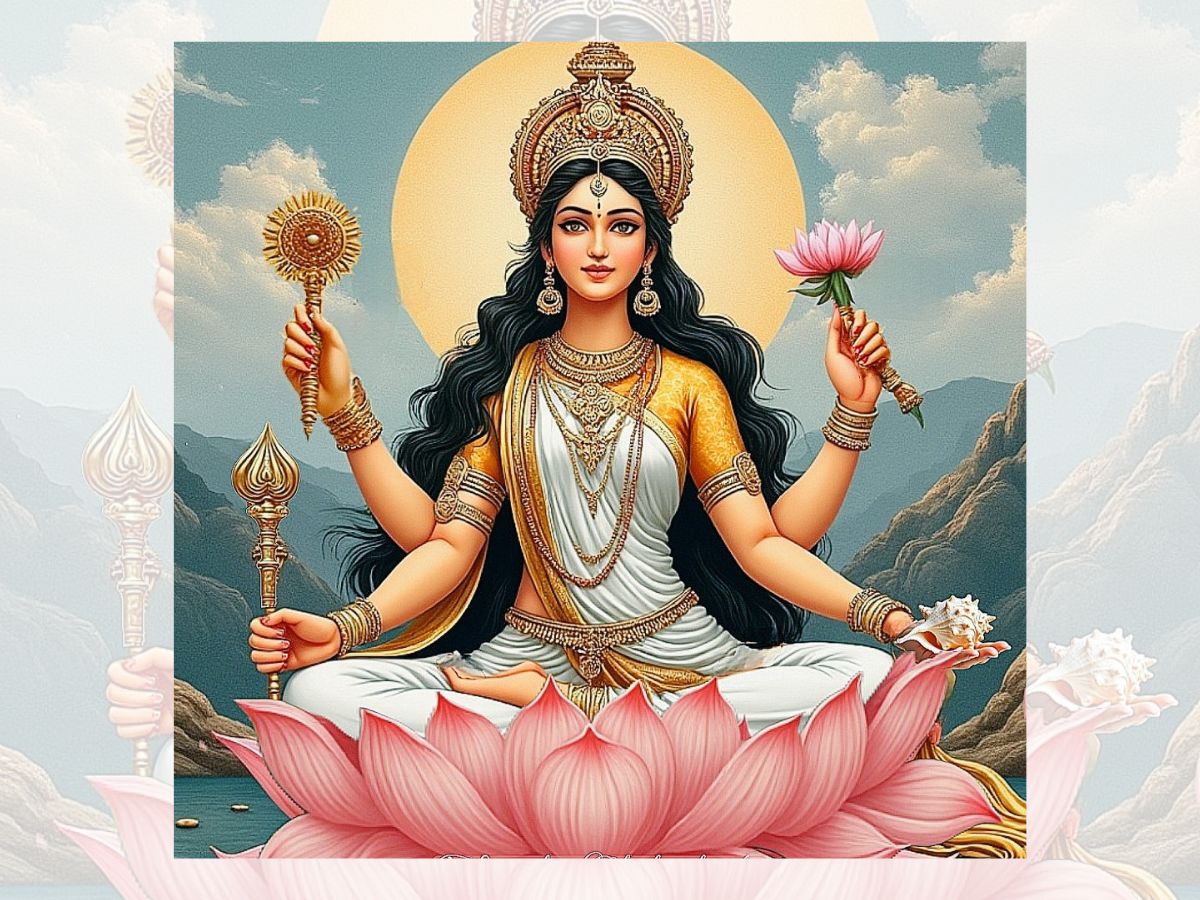
The ninth day of Navratri is dedicated to Goddess Maa Siddhidatri. Even her name is a accumulation of two terms: “Siddhi” which refers to spiritual power or perfection, and “Datri”, which means giver. Therefore, Goddess Siddhidatri comes to be referred to as the giver of various siddhis or godly powers to her followers. She is represented sitting over a lotus or a lion in Hindu tradition, holding a mace, lotus, discus, and conch in her four arms. Devotees think that worshipping her makes success, contentment, and removes ignorance and hindrances from life. As per scriptures, even Lord Shiva attained his completeness, the Ardhanarishwar form, after obtaining blessings from Goddess Maa Siddhidatri. It brings out her as the embodiment of absolute wisdom and power, worshipped equally by gods, sages, and human beings.
Relevance and Spiritual Significance
Mahanavami is celebrated with immense devotion as it marks the culmination of the nine-night spiritual journey. Devotees believe that worshipping Maa Siddhidatri helps attain balance in life by harmonising material desires with spiritual progress. She represents the ultimate realisation of divinity, where one transcends ordinary existence and gains deeper spiritual understanding.
In many regions of India, especially in states such as West Bengal, Bihar, Odisha, and Assam, Mahanavami overlaps with the third day of Durga Puja celebrations, which celebrates the victory of Goddess Durga over Mahishasura. It marks the victory of justice and the institution of dharma.
Havans (holy fire ceremony) are done by many families on this day to attain blessings for happiness, safety, and health. It is also a very good moment for starting new things or spiritual practices since the Goddess represents divine grace and success.
Associated Rituals and Customs
The Navami rituals differ by location, but there are traditions that are commonly practiced:
- Kanya Puja: Little girls, representing the nine incarnations of Durga, are revered on this day. The devotees bathe their feet, provide them with new clothes, food, and gifts as a sign of respect and admiration.
- Havan and Purnahuti: Devotees conduct fire rituals with ghee, herbs, and grains offerings to mark the end of Navratri worship as a sign of purification and blessings from God.
- Prayer and Fasting: Most devotees keep a partial or complete fast during the day, spending time on meditation, recital of Devi mantras, and readings of the Devi Mahatmya.
- Preparations for Durga Visarjan: In Eastern India, the preparations for immersing the Durga idol start, signifying her return to Mount Kailash with Lord Shiva.
Mahanavami hence represents both religious satisfaction and cultural zest, reminding believers of the strength of devotion, patience, and faith in overcoming adversity and attaining success in life.