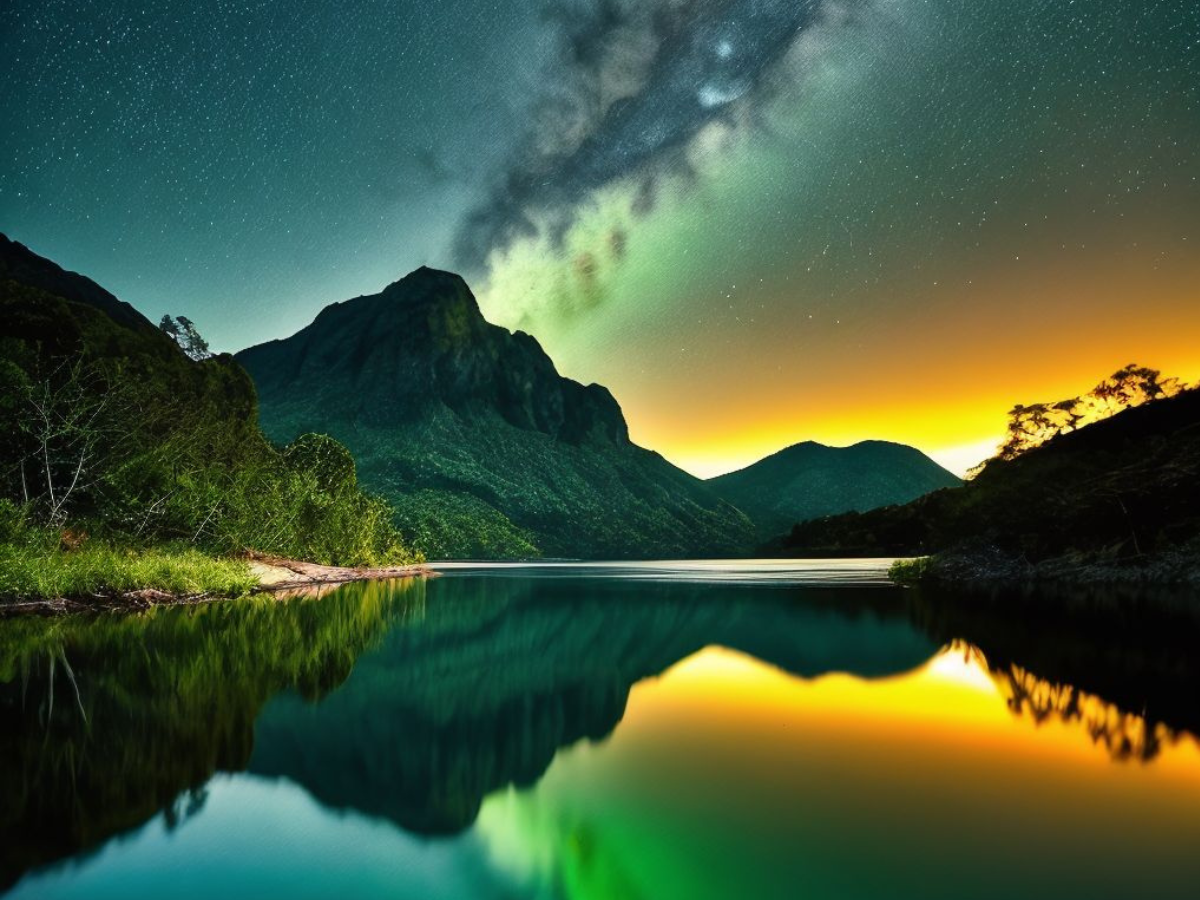
The important water bodies with peculiar characteristics of Lakes which are large and deep and are found inland where lagoons are shallow and coastal, separated from the sea by natural barriers. The understanding of these distinctions is very important.
What are Lakes?
Lakes are categorized as large freshwater or saltwater bodies completely surrounded by land with the Nature has positioned these reservoirs among several topographies from mountain ridges to plain and valley floors.
Lakes are significant for biodiversity as they are home to many aquatic plants and animals, they are also anthropogenically modified for agriculture, recreation and water supply. Lakes are formed through tectonic and volcanic activity with glacial movements also being instrumental.
Types of Lakes
Lakes have been grouped into different types like tectonic lakes are formed by the movement of the earth’s crust. The volcanic lakes are formed in a caldera or crater of a volcano. The glacial lakes are formed by the melting of glaciers.
The oxbow lakes are formed by the meanders of a river. Each type of lake supports unique ecosystems and there exists immense variation amongst them with respect to size, depth and water chemistry.
ALSO READ: Do the Pacific & Atlantic Oceans Really Mix: The Science Behind
What are Lagoons?
Lagoons are separated from larger water bodies from seas or oceans by natural barriers such as sandbanks, coral reefs or barrier islands. Lagoons are most coastal and can be saline, brackish or fresh they are ecological zones that protect coastlines, sustain marine life and serve as nurseries to fishes and other species.
Types of Lagoons
Two main types of lagoons can generally be distinguished coastal lagoons and atoll lagoons. Coastal lagoons are found along continental shores where sediment accumulations build barriers.
The Atoll lagoons are form in coral reef settings and surrounding islands or submerged volcanic features. Both types sustain unique conditions giving rise to diverse biological assemblages.
ALSO READ: Bay vs Ocean: Key Differences in Size, Depth & Why They Matter
Size & Depth
Lakes rank larger and deeper than lagoons with exceptions existing. The sizes of lakes can range from tiny ponds to large freshwater lakes stretching hundreds of kilometers with hundreds or even thousands of meters of depth.
Lagoons in contrast are generally shallow and smaller in size with few meters of depth at most due to their development in coastal regions where exchange of water is limited.
Difference Between Lakes & Lagoons
| Feature | Lake | Lagoon |
| Location | Island | Coastal |
| Water Type | Freshwater or Saltwater | Saline or Brackish |
| Formation | Geological Activities | Coral Reef |
| Depth | Deeper | Shallow |
| Size | Larger | Smaller |
| Biodiversity | Freshwater Ecosystem | Marine & Brackish Ecosystem |
ALSO READ: 5 Hypersaline Lakes That Are Saltier Than the Ocean
Disclaimer: This article provides general information about lakes and lagoons for educational purposes and should not be considered professional advice.