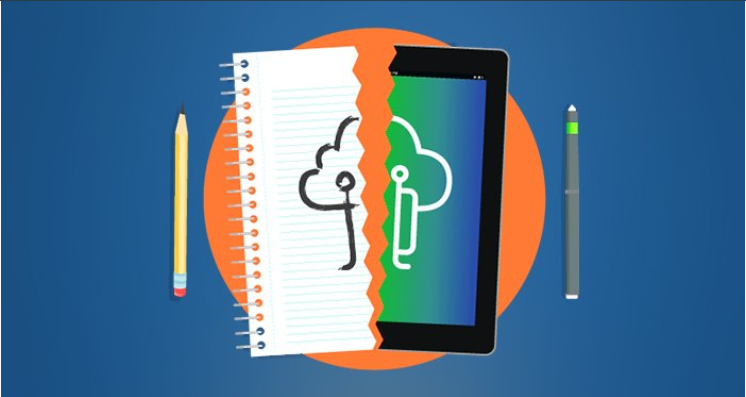
The advent of digital technology had the promise to democratize education but in India is gradually revealing an uncomfortable reality — education is becoming more exclusive than ever. While private schools have made smart classrooms, app-based homework, and online tests a standard, the majority of the students of government schools and poor families are still out of the reach of these advantages, widening the digital gap.
This trend had been boosted by the pandemic years, when online education became new normal. But what was initially a temporary measure has now uncovered serious structural shortcomings. In cities such as Delhi, where elite schools provide e-curriculums and AI learning, lakhs of children studying in government or low-cost private schools do not have even the most basic facilities; often, they even share a smartphone with their brothers and sisters or do not have regular internet connectivity.
The 2024 ASER reports says, just 41% of rural pupils could cope with online learning. But access is not the same as opportunity; there are gaping inequalities in digital literacy, quality of content, and support from parents between classes. This has created a two-tiered system: digitally literate elites and digitally excluded masses.
Furthermore, with the availability of edtech platforms, middle-class aspirational parents feel pressurized to spend money on gadgets so that their children do not fall behind. The result: increasing cost of education, mental tension, and increased rate of dropouts for those students who cannot keep up.
Experts highlight that the government’s initiative for Digital India is more specificity targeted. While projects like PM eVIDYA and DIKSHA portal aim to bridge the gap, their penetration remains lacking in lesser served regions. Even the teachers require orientation to use these portals more effectively — an aspect that is generally given a miss in policy initiatives.
More troubling is the cultural elitism that is emerging. Proficiency in digital tools and English-language software has emerged as a signifier of intelligence, inadvertently devaluing native literacy and traditional pedagogies. It disempowers first-generation learners and further alienates non-urban youth.
In a nation that aspires to be a world capital of knowledge, education equity cannot be made a sacrifice at the altar of digital convenience. If digital inclusion is not the pulse of education policy, India risks constructing an ivory tower of privilege amidst leaving millions in the shadows of screens they cannot afford.