
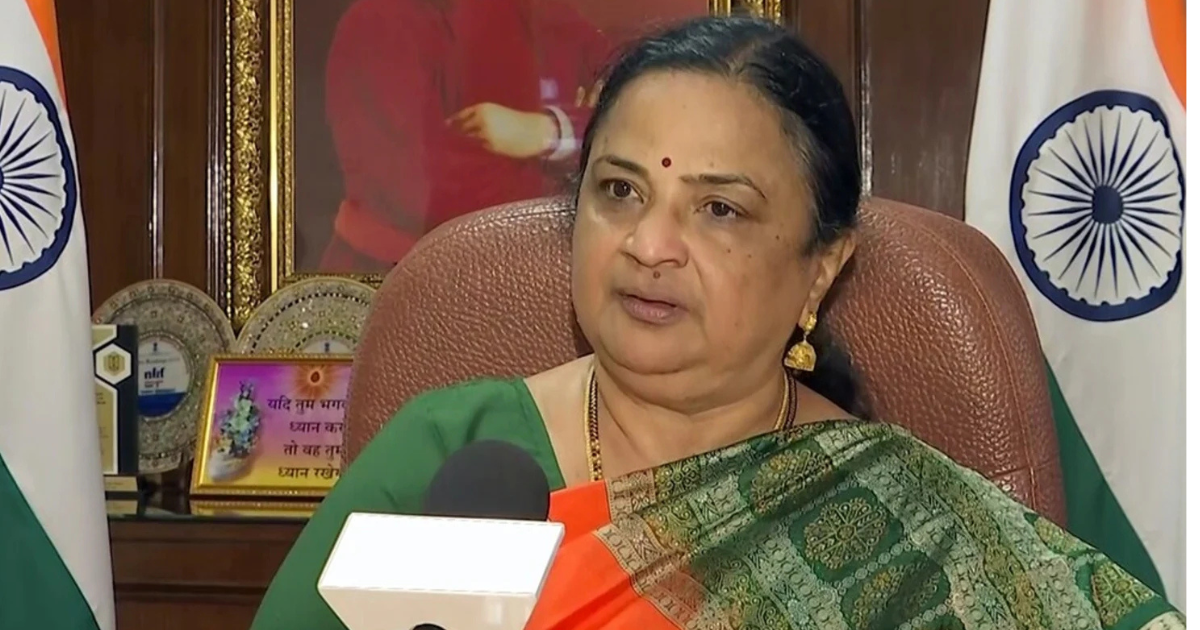
The Ministry of Education on Saturday wrote to Jawaharlal Nehru University Vice-Chancellor Santishree Dhulipudi Pandit seeking an explanation for not attending a high-profile meeting of Vice-Chancellors convened on July 10-11 in Kevadia, Gujarat. His absence, said to be without prior approval, has raised eyebrows as the conference is instrumental in determining academic policy throughout Central universities.
What Happened and Why It Matters
The two-day meeting was convened to review the first five years of NEP 2020, where the university heads discussed governance, innovation and policy direction. Pandit was supposed to visit at least for a day as JNU is organising an internal event on Indian Knowledge Systems (IKS). She was not part of the deliberations even on the second day, and even that was a crucial input that she missed.
The absence of an official in the ministry was taken seriously, an official said, adding that Pandit’s presence would have been useful during the policy discussions. It’s not just the formal presence; it’s the exchange of ideas and the learning from colleagues and trying to make sure what our institutions are doing is aligned to national priorities.
Expectations for Institutional Leadership
Vice-Chancellors are seen as key ambassadors of their universities. Joining such meetups isn’t merely ceremonial; it reflects a shared responsibility in implementing central education policies such as NEP 2020.
By skipping the event without clearance, Pandit reportedly violated established norms of academic protocol, prompting officials to request a written explanation. This communication is intended to serve as a reminder that leadership extends beyond campus boundaries.
Context: Earlier Administrative Concerns at JNU
This incident has come amid ongoing scrutiny of JNU’s governance. During the previous tenure of VC M. Jagadesh Kumar, multiple protests arose over allegations of mismanagement, including faculty appointments, fee hikes, and policy decisions taken without proper consultation. The JNU Teachers’ Association repeatedly urged the ministry to appoint a full-time VC to resolve institutional stagnation.
Although those events predate Pandit’s tenure, they reflect systemic tensions surrounding transparency and decentralization of decision-making at JNU. The present stand-off underscores the sensitivity policymakers attach to deadlines, university collaborations, and accountability.
What Happens Next?
Pandit has been given a deadline to submit her formal explanation. The letter reportedly emphasises that delayed responses or non-compliance could lead to administrative action.
Educational observers suggest that, typically, such reminders are issued to underscore an institution VC’s obligation to engage with government initiatives. Noncompliance, however, could have implications for future support, such as regulatory actions or funding announcements.