India’s rise on the global stage is no longer defined solely by its economic growth or strategic capabilities. Increasingly, it is distinguished by the unique perspective it brings to global governance—one rooted in inclusivity, sustainable development, connectivity, and a commitment to amplifying the voice of the Global South. Whether through its G20 Presidency, its growing influence within BRICS and the Quad, or its expanding role in shaping conversations around technology and development, India has consistently demonstrated an approach that reflects its own civilizational values while addressing contemporary global challenges.
This same philosophy is becoming increasingly visible in India’s evolving vision for the Indian Ocean Region.
For decades, discussions surrounding the Indian Ocean have largely revolved around maritime security, naval cooperation, and strategic competition. While these dimensions remain important, the region today presents an opportunity to move beyond a security-centric framework. The Indian Ocean must increasingly be viewed as a platform for connectivity, economic integration, infrastructure development, knowledge exchange, and capacity building.
India’s initiatives, particularly MAHASAGAR, reflect this broader transformation. Rather than treating the Indian Ocean merely as a strategic waterway, they seek to position it as a catalyst for regional development and cooperation. This marks an important evolution in India’s regional outlook—one that places equal emphasis on prosperity and partnership alongside security.
This vision assumes even greater importance as India prepares to assume the chairmanship of the Indian Ocean Rim Association (IORA).
The history of IORA demonstrates that each chairing nation has contributed its own priorities to the regional agenda. Indonesia advanced the concept of the Blue Economy, South Africa focused on maritime safety and inclusive economic development, while Bangladesh highlighted sustainability and regional resilience. These examples illustrate that the IORA chairmanship is far more than a ceremonial responsibility; it offers member states a meaningful opportunity to shape the future direction of the Indian Ocean Region.
As India prepares to lead the organisation, it also has an opportunity to broaden the strategic imagination of the region by reconsidering who should be recognised as its stakeholders.
Traditionally, the Indian Ocean has been defined almost exclusively by its coastal states. However, in an increasingly interconnected world driven by geoeconomics, economic corridors, logistics networks, ports, and infrastructure partnerships have expanded the region’s functional boundaries well beyond its coastlines. Maritime trade today connects countries that may never touch the Indian Ocean geographically but remain deeply integrated into its economic ecosystem.
Landlocked nations such as Afghanistan and Nepal are important examples. Despite lacking direct access to the sea, they depend significantly on regional transport corridors and maritime infrastructure for trade and development. Recognising these countries as legitimate stakeholders in Indian Ocean discussions would create a more comprehensive framework for regional connectivity while strengthening economic cooperation across South Asia.
Expanding this definition would also reinforce India’s larger vision of inclusive leadership within the Global South. If connectivity has become the defining feature of the modern Indian Ocean, then participation in its governance should reflect the realities of these interconnected networks rather than geographical boundaries alone.
The international system is undergoing a profound transition. Existing structures are being questioned, while new frameworks continue to emerge. In this changing landscape, India is uniquely positioned to help shape a more equitable and representative global order. Its leadership, however, will be most effective if it remains inclusive—ensuring that smaller and landlocked nations are not marginalised as regional institutions evolve.
The objective is not to replace existing global structures or challenge established powers for their own sake. Rather, it is to complement the existing international order with ideas rooted in cooperation, shared development, and mutual respect. By embracing a broader and more inclusive vision of the Indian Ocean, India has an opportunity not only to redefine regional cooperation but also to strengthen the collective voice of the Global South in shaping the future international order.
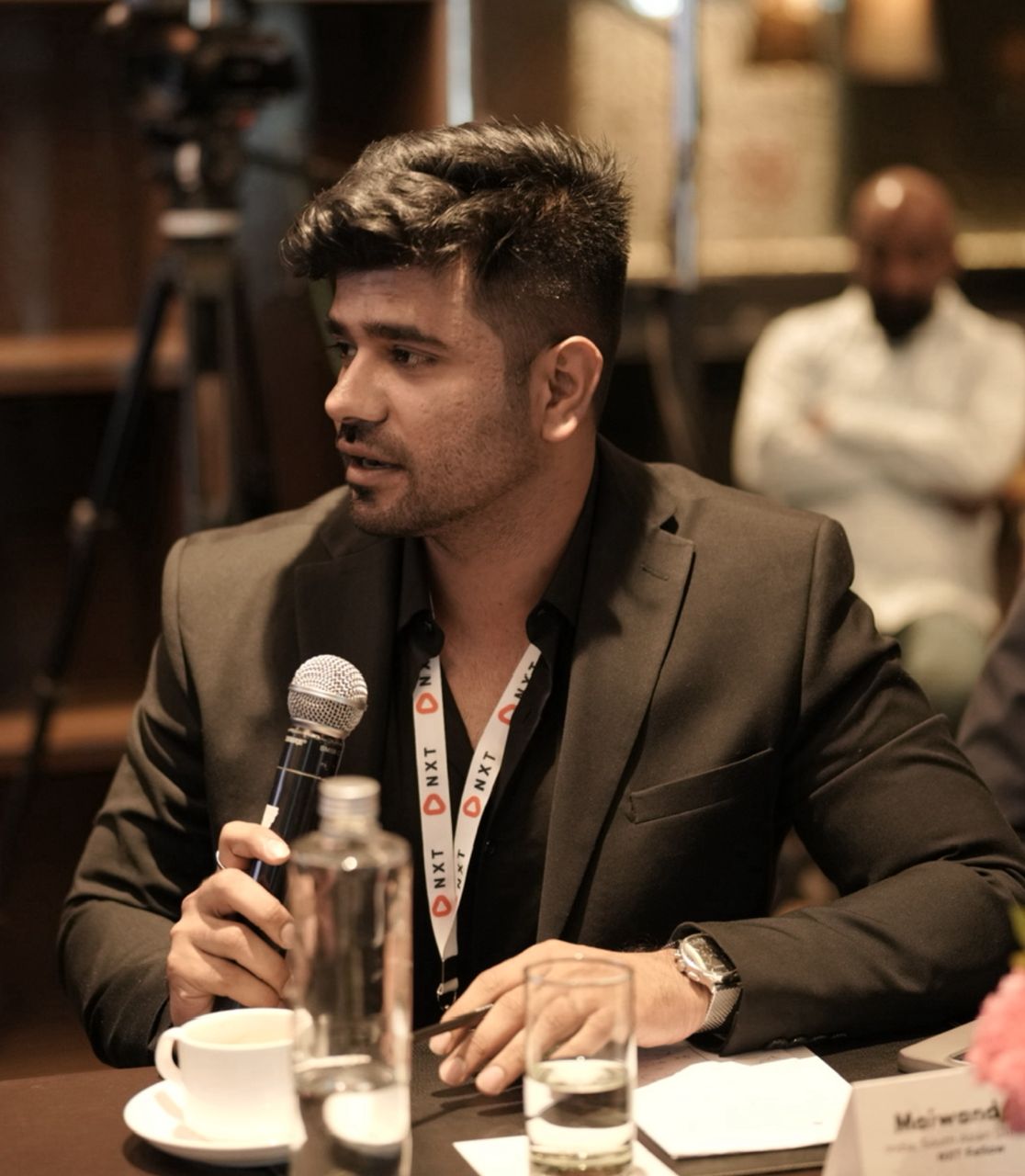
The author is from: South Asian University NXT Fellow 2026