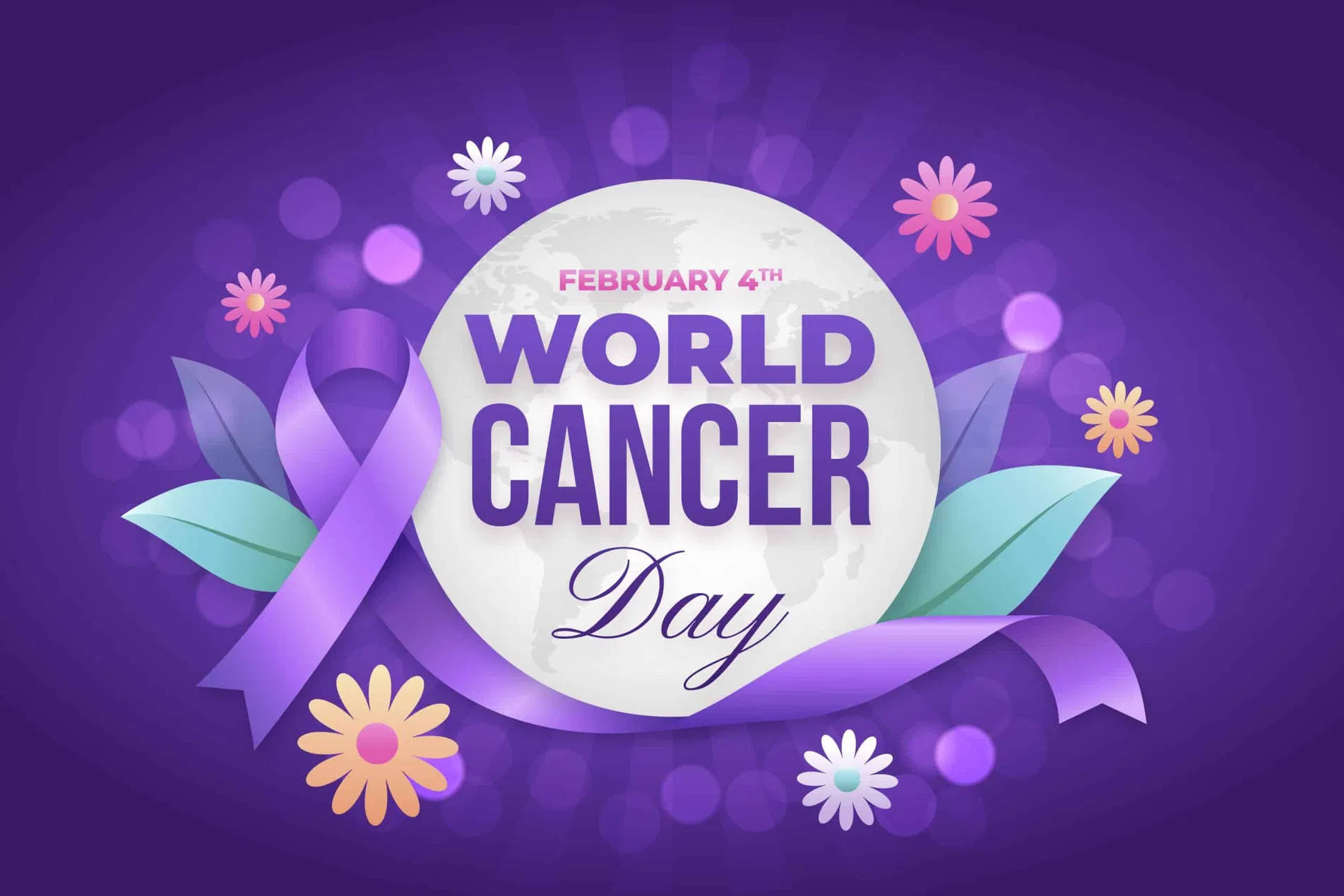
JAIPUR: Every year, February 4 marks World Cancer Day, a global initiative aimed at raising awareness about cancer, promoting prevention strategies, and encouraging early detection and treatment. In 2026, the theme focuses on “Empowering Communities, Strengthening Care”, highlighting the importance of collective action in reducing the global burden of this disease. Cancer remains one of the leading causes of death worldwide, affecting millions of people and their families, and yet much of its impact can be mitigated through awareness, lifestyle changes, and timely medical interventions.
Cancer is not a single disease but a group of diseases characterized by the uncontrolled growth and spread of abnormal cells. It can affect virtually any organ in the body, with common types including lung, breast, colorectal, prostate, and skin cancers. While genetic factors play a role, lifestyle choices such as tobacco use, unhealthy diets, physical inactivity, and alcohol consumption significantly increase risk. Environmental factors, exposure to carcinogens, and certain infections also contribute to the development of cancer.
IMPORTANCE OF AWARENESS AND EARLY DETECTION
Raising awareness about cancer is crucial because early detection dramatically improves survival rates. Screening methods like mammograms for breast cancer, Pap smears for cervical cancer, colonoscopies for colorectal cancer, and regular skin checks can help identify cancer in its early stages when treatment is most effective. World Cancer Day serves as a reminder for individuals to stay vigilant, undergo regular check-ups, and recognize early warning signs such as unexplained weight loss, persistent fatigue, lumps, or unusual bleeding.
Education campaigns also aim to dispel myths and reduce stigma associated with cancer. Many patients delay seeking treatment due to fear or misinformation, which can result in advanced-stage diagnosis and lower survival rates. By promoting knowledge and encouraging proactive healthcare, communities can ensure more people access life-saving interventions.
LIFESTYLE CHOICES TO REDUCE CANCER RISK
While not all cancers are preventable, studies show that adopting a healthy lifestyle can significantly reduce risk. Avoiding tobacco in all forms, limiting alcohol intake, maintaining a balanced diet rich in fruits and vegetables, staying physically active, and protecting the skin from excessive sun exposure are effective measures. Vaccinations against infections like hepatitis B and human papillomavirus (HPV) also play a key role in preventing liver and cervical cancers, respectively.
Mental health and emotional support are equally important for patients and families. Chronic stress and depression can affect immune function and overall well-being. Support groups, counseling, and community programs provide a network of care that complements medical treatment, helping patients navigate the physical and psychological challenges of cancer.
GLOBAL INITIATIVES AND RESEARCH
World Cancer Day also emphasizes the role of governments, healthcare institutions, and international organizations in combating cancer. Investment in research, infrastructure, and affordable treatment options is essential to address disparities in cancer care. Advances in targeted therapies, immunotherapy, and precision medicine have improved survival rates for many types of cancer, but accessibility remains a challenge in low-resource regions. Collaboration between countries, healthcare providers, and non-governmental organizations ensures that knowledge, technology, and resources reach those who need them most.
USE OF AI IN CANCER RESEARCH AND TREATMENT
The role of artificial intelligence in cancer diagnosis and treatment is rapidly increasing. AI-based technologies are enabling earlier and more accurate detection, while treatment planning and monitoring are also becoming more effective. Dr. Naresh Jaliotta, radiation oncologist, explained that modern radiation therapy takes into account the location, size, and surrounding sensitive organs when planning treatment. Advanced planning and analysis system allow radiation to be targeted with extreme precision, increasing treatment effectiveness and preventing unnecessary damage to healthy tissue. He believes that this level of precision improves patient tolerance and reduces complications during and after treatment.
Dr. Prakash Singh Shekhawat, CAR-T cell therapy specialist at BMCH, explained that cell-based therapy has opened up new possibilities in the treatment of blood cancers. It is now possible to more effectively tailor treatment strategies based on a patient’s disease status, prior treatment response, and biological profile, leading to improved outcomes even in complex cases. Modern technologies further enhance physicians’ experience and decision-making, enabling timely diagnosis, appropriate treatment selection, and ongoing monitoring, which improves the quality of cancer care.
TAKING ACTION
Every individual can contribute to the fight against cancer. Regular health check-ups, lifestyle modifications, spreading awareness, supporting cancer research, and advocating for patient care are all vital steps. World Cancer Day 2026 reminds us that collective action saves lives. Communities empowered with knowledge, healthcare systems strengthened with resources, and individuals motivated to adopt healthier habits together form the foundation for reducing the global cancer burden.
World Cancer Day 2026 is a powerful reminder that cancer is not insurmountable. Awareness, prevention, early detection, research, and support can save millions of lives worldwide. By uniting communities, encouraging informed decisions, and ensuring access to quality care, we can make strides toward a future where fewer people suffer and more lives are saved. This World Cancer Day, let us commit to knowledge, action, and compassion in the fight against one of humanity’s most pressing health challenges.