
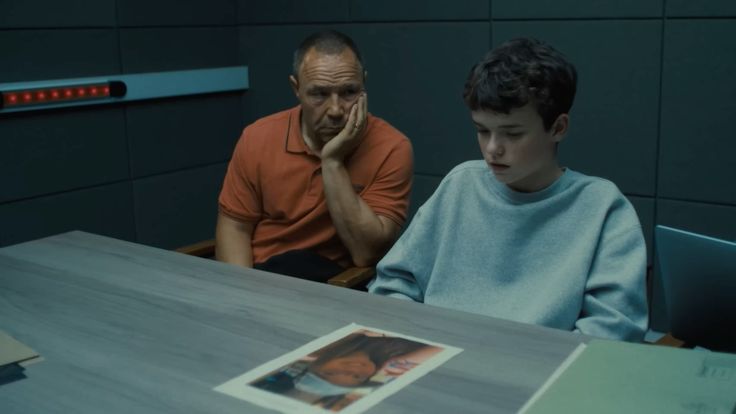
NEW DELHI: Adolescence is a fictional drama series on Netflix, but its impact has been strikingly real. Since its release, the show has sparked widespread conversations about social media, masculinity, and the mental health of teenagers and young adults. These discussions are unfolding not just in homes and classrooms, but also in public debates and even political spaces. The reason is clear: while dramatized, Adolescence captures fears that many adults already hold about what it means to grow up in a hyperconnected digital world.
At the heart of the story is Jamie Miller, a 13-year-old boy struggling with loneliness, low self-worth, and an intense need for validation. Jamie is not portrayed as inherently troubled or dangerous. Instead, he is emotionally fragile—quietly craving reassurance that he matters. As the series unfolds, his internal struggles begin to shape his online interactions, eventually leading to devastating consequences. Importantly, the show does not argue that social media alone causes Jamie’s behaviour. Rather, it shows how digital spaces can magnify emotional distress when a child is already vulnerable.
One of the most compelling themes in Adolescence is the emotional vulnerability of young boys. Jamie finds it difficult to express sadness, anger, or confusion, particularly in his relationship with his father. He wants approval and emotional closeness but lacks the language and confidence to ask for it. This emotional gap leaves him searching for affirmation elsewhere, often in online spaces where attention is instant and validation easily accessible. The series reflects a broader concern: cultural expectations around masculinity still discourage boys from showing weakness or asking for help, pushing many toward silence rather than support.
The show also introduces viewers to the “manosphere,” a loose network of online spaces where men and boys discuss frustration, rejection, and identity. Through references to ideas like the “red pill,” Adolescence demonstrates how certain online narratives offer simple—yet deeply harmful—explanations for personal pain, failed relationships, or feelings of invisibility. For adolescents like Jamie, who are already struggling emotionally, these ideas can feel reassuring and logical. The series suggests that once a young person is immersed in such content, it becomes increasingly difficult to step back and question its assumptions.
Crucially, Adolescence avoids reducing Jamie’s actions to a natural byproduct of teenage rebellion or online exposure alone. His behaviour is better understood through a combination of psychological vulnerability, social isolation, and family dynamics. The internet does not create his pain, but it amplifies it. This distinction is especially important in the aftermath of the show’s release, when public reactions veered toward fear and blame, often targeting social media as the sole culprit.
Following the series, renewed attention has been given to the impact of social media on young people’s mental health. Several articles and opinion pieces have called for stricter regulations, screen-time limits, or even outright bans. While such measures remain rare globally, Australia’s move to restrict social media access for younger users signals a growing willingness among governments to intervene. Yet much of the discourse continues to place responsibility on parents or teenagers themselves, rather than addressing platform design, algorithm-driven content, or broader social pressures.
The series has also prompted questions about whether boys are becoming increasingly vulnerable. By centering on a male protagonist, Adolescence highlights how struggles with emotional expression, identity formation, and belonging can make some boys—particularly those who feel rejected or isolated—more susceptible to radical or anti-women content online. This focus does not minimise the serious risks girls face in digital spaces, but it does underscore that vulnerability looks different across genders, and that not all teenagers face the same kinds of threats.
Experts caution against drawing sweeping conclusions from a single fictional narrative. Adolescence, by nature, is an emotionally intense stage of life, and television dramas often heighten conflict for impact. Viewers may come away believing that social media directly causes violence or severe mental illness, when the reality is far more complex and layered.
The series also offers a nuanced portrayal of modern parenting. Jamie’s parents are not negligent or unearning; they are overwhelmed by a digital environment they did not grow up navigating. They struggle to understand how much of their son’s emotional life exists online, beyond their line of sight. This reflects a common parental dilemma today—how to balance trust, supervision, and independence when digital life is constant and largely invisible.
Ultimately, Adolescence is not a warning about social media itself, but about what happens when emotionally vulnerable teenagers seek belonging in spaces that may reinforce their fears and insecurities. It pushes viewers to reflect on emotional development, masculinity, and the role digital environments play in shaping young minds. The conversation it has sparked is real—and now parents, educators, platforms, and policymakers.