
JAIPUR: Vision is one of the most essential senses, yet many people do not realize when their eyesight begins to weaken. Early recognition of vision problems is crucial, as untreated issues can lead to discomfort, headaches, and even long-term damage. Understanding whether your eyesight is weakening and identifying the type—whether near-sighted or far-sighted—can help you take timely measures to correct it.
SIGNS OF WEAK EYESIGHT
One of the first signs of deteriorating vision is difficulty focusing on objects, either near or far. People may experience blurry vision, squinting, frequent eye strain, or headaches, especially after reading, using digital devices, or driving. Another common symptom is the need to hold reading materials at arm’s length to see clearly or leaning closer to a screen or book. Sensitivity to light, difficulty distinguishing colors, and double vision are also warning signs. Regularly noticing these symptoms should prompt a visit to an eye care professional.
UNDERSTANDING NEAR-SIGHTEDNESS AND FAR-SIGHTEDNESS
Near-sightedness, also called myopia, occurs when distant objects appear blurry while close objects remain clear. This happens because the eye focuses images in front of the retina instead of directly on it. People with myopia may struggle to see road signs, watch movies from a distance, or recognize faces from afar.
Far-sightedness, or hyperopia, is the opposite condition, where close objects appear blurry while distant objects are clearer. Hyperopia occurs when images focus behind the retina. Those affected may experience difficulty reading, fatigue when doing detailed work, or the need to squint to see nearby objects clearly.
HOW TO IDENTIFY YOUR VISION PROBLEM
Self-observation can provide initial clues about your type of vision problem. If you notice that you can read a book clearly but struggle to see a blackboard or traffic signs, you are likely near-sighted. Conversely, if distant objects appear sharp but reading a menu or writing feels strained, far-sightedness may be the issue. Another simple test is the pencil test: hold a pen or pencil at arm’s length and slowly bring it closer to your eyes. If the text becomes blurry at a certain distance, it could indicate near-sightedness; if holding it farther away is uncomfortable or unclear, far-sightedness may be present. However, these are preliminary observations, and an optometrist’s examination is necessary for accurate diagnosis.
THE IMPORTANCE OF EYE CHECK-UPS
Regular eye check-ups are essential for identifying weak eyesight early. Eye professionals use various tests, such as visual acuity charts, refraction tests, and retinal examinations, to determine the type and severity of vision problems. Early detection allows corrective measures like prescription glasses, contact lenses, or even refractive surgery, depending on the condition. Eye exams also help detect other issues like astigmatism, glaucoma, or cataracts, which may affect vision if left untreated.
PREVENTIVE MEASURES FOR MAINTAINING EYE HEALTH
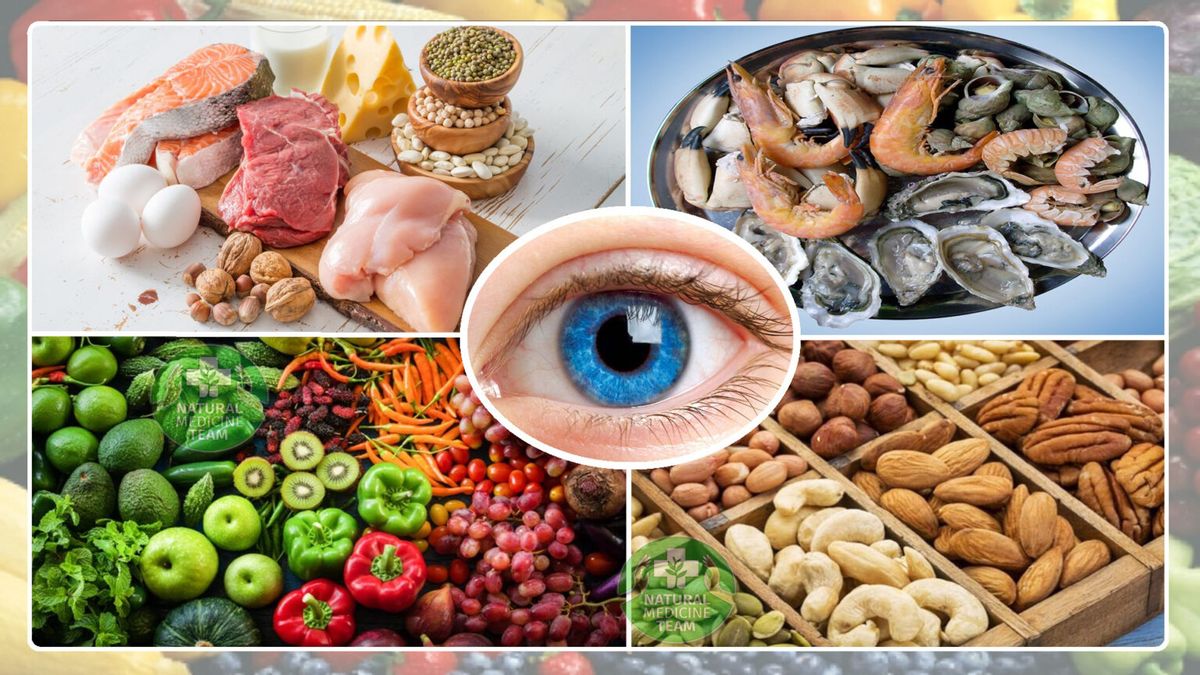
Beyond corrective measures, maintaining eye health through lifestyle habits is crucial. Reduce prolonged screen time, take regular breaks while reading or working, and ensure proper lighting. A diet rich in vitamins A, C, and E, along with omega-3 fatty acids, supports eye health. Protective eyewear in sunlight and safety glasses in hazardous conditions can prevent damage. Regular exercise, proper hydration, and adequate sleep also contribute to long-term vision stability.
PROTECTING YOUR EYES FROM SCREEN TIME
In today’s digital age, safeguarding your eyes from excessive screen exposure is crucial. Follow the 20-20-20 rule: every 20 minutes, look at something 20 feet away for 20 seconds to reduce strain. Adjust your screen’s brightness and contrast to match ambient lighting, and minimize glare with anti-reflective screens or by positioning devices away from direct light. Keep a proper distance—about an arm’s length—from screens, with your eyes level with the top of the monitor. Frequent blinking, regular breaks, eye exercises, and blue-light filtering glasses or screen filters help prevent dryness, fatigue, and long-term damage, ensuring healthier vision.
Recognizing weak eyesight early and understanding whether it is near-sighted or far-sighted can significantly improve quality of life. Paying attention to warning signs, performing simple self-tests, and seeking professional examinations ensures timely correction and protection of vision. Healthy habits and regular eye care can prevent further deterioration, allowing you to enjoy clear vision for years to come.