
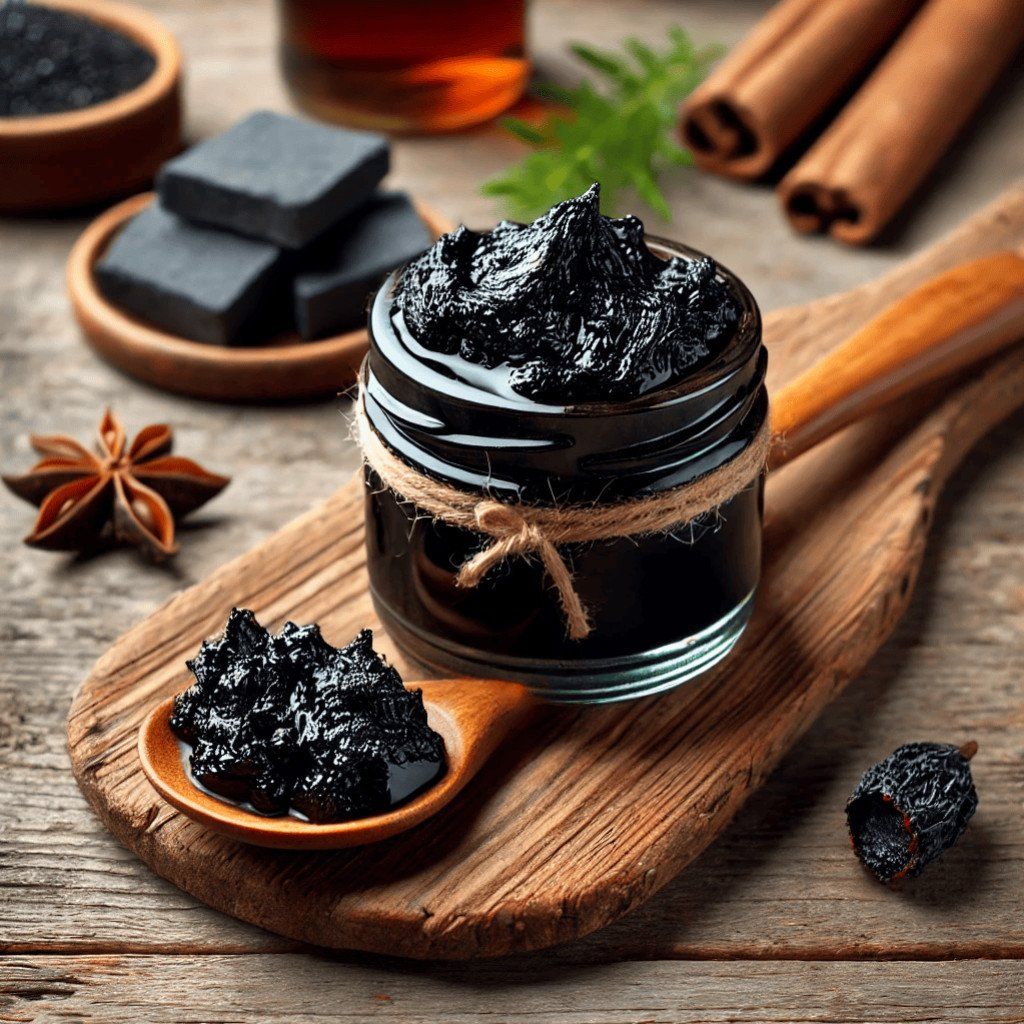
Shilajit is a naturally occurring herbo-mineral compound formed over centuries from the gradual decomposition of plant material and minerals under specific geological conditions. It is primarily sourced from high-altitude mountain regions, particularly the Himalayas, and contains bioactive components such as fulvic acid, humic substances, trace minerals and organic compounds. Due to increasing global consumption, Shilajit has been extensively evaluated in human clinical studies to establish its efficacy and safety.
CLINICALLY SUPPORTED BENEFITS OF SHILAJIT
Physical performance and fatigue: Human clinical trials show that standardized Shilajit supplementation improves muscle strength, recovery and resistance to fatigue. Studies demonstrated enhanced skeletal muscle adaptation through upregulation of extracellular matrix-related genes and reduced decline in muscle strength after exercise-induced fatigue, without safety concerns.
Reproductive health: Clinical evidence indicates that Shilajit supports male reproductive hormones and sperm quality. In healthy middle-aged men, supplementation significantly increased total testosterone, free testosterone and DHEAS levels. In oligospermic men, Shilajit led to marked improvements in sperm count, motility and morphology while reducing oxidative stress. In women of reproductive age, Shilajit significantly improved overall Female Sexual Function Index (FSFI) scores in a placebo-controlled trial, with good tolerability.
Glycerine control: Multiple clinical studies report that Shilajit contributes to reductions in fasting blood glucose and HbA1c levels in individuals with pre-diabetes and type 2 diabetes. Improvements in diabetic symptoms were observed, with no major adverse effects reported.
Cardiovascular and metabolic health: In healthy volunteers, Shilajit supplementation significantly reduced total cholesterol, and triglycerides, while increasing high-density lipoprotein cholesterol and antioxidant levels, supporting its cardioprotective role.
Skin and bone health: Clinical trials show that Shilajit improves skin microcirculation, collagen gene expression and extracellular matrix remodeling. Long-term supplementation in postmenopausal women increased bone mineral density and improved bone turnover markers, while fracture-healing studies demonstrated faster bone union with Shilajit use.
ANTIOXIDANT AND ANTI-INFLAMMATORY EFFECTS OF SHILAJIT
Shilajit exhibits strong antioxidant and anti-inflammatory properties. These effects are mainly attributed to its bioactive components such as fulvic acid, humic substances, dibenzo-pyrones and essential minerals. Together, these components help reduce oxidative stress, regulate inflammatory pathways, support immune balance, improve mitochondrial function and maintain hormonal stability.