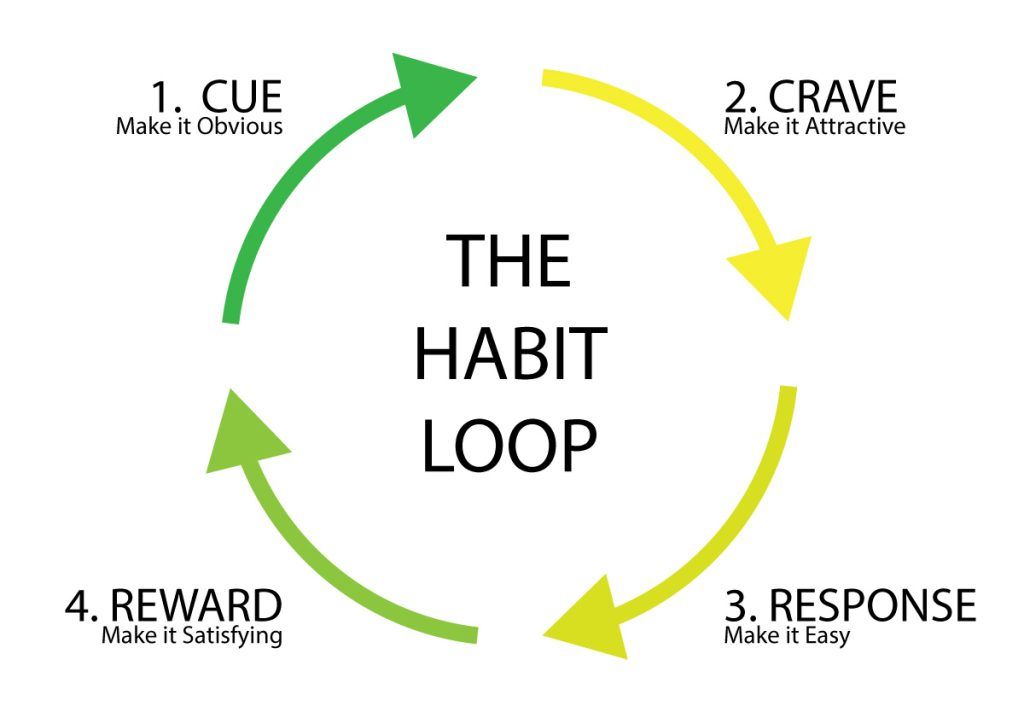
NEW DELHI: Bad habits rarely arrive with drama. They creep in quietly, make themselves comfortable, and before you know it, they are running the show. One day you’re convinced you have things under control; the next, you’re bargaining with a packet of chips like it holds the secrets of the universe. The loop is familiar: resolve, restraint, relapse, regret—repeat.
For many of us, the problem isn’t ignorance. We know the calorie counts, the long-term consequences, and the motivational quotes by heart. What we underestimate is how predictable our behaviour really is. The human brain loves patterns, even destructive ones. When stress, boredom or fatigue hit, the mind reaches for the quickest form of relief—food, alcohol, scrolling, shopping, or anything that promises instant comfort.
The illusion we cling to is willpower. We treat self-control like a muscle that should somehow strengthen through sheer suffering. Extreme diets, strict detoxes and rigid rules become badges of honour. For a while, they even work. Life feels sharper, colours brighter, confidence higher. But deprivation has a shelf life. The moment temptation appears—often dressed as “just one bite” or “just five minutes”—the internal debate begins.
First comes temptation itself, perfectly timed and aesthetically pleasing. Then arrives rationalisation, armed with half-remembered philosophy and creative logic. Surely one indulgence cannot undo days of discipline? Finally, surrender steps in, followed closely by guilt. The habit may change form—from snacking to scrolling or binge-watching—but the emotional pattern remains identical.
Psychologists argue that this cycle persists precisely because we rely too much on willpower. According to behavioural research highlighted by Harvard Medical School, breaking a bad habit requires preparation rather than punishment. Identifying triggers, changing the environment, and building distractions into daily life are far more effective than gritting one’s teeth and hoping for the best.
Dr Kentaro Fujita, a professor of psychology at Ohio State University, echoes this view. In interviews, he has pointed out that successful habit change depends less on resisting temptation and more on reframing it. Instead of asking, “How do I stop myself?” the better question is, “How do I make this choice less likely to come up at all?” Removing triggers, planning alternatives, and adjusting expectations all reduce the mental load of constant self-denial.
Perhaps the most underrated strategy is moderation. Extreme restriction often lacks fixtures because it sets up failure as inevitable. When it happens, people respond with self-criticism rather than course correction. Moderation, on the other hand, allows for imperfection without collapse, replacing the all-or-nothing mindset with something far more sustainable.
Breaking a bad habit does not mean becoming immune to desire. It means understanding how desire works—and designing your life around that knowledge. The goal isn’t to win every battle but to stop fighting the same one over and over again. Because once you step out of the loop, progress, however slow, finally begins.