
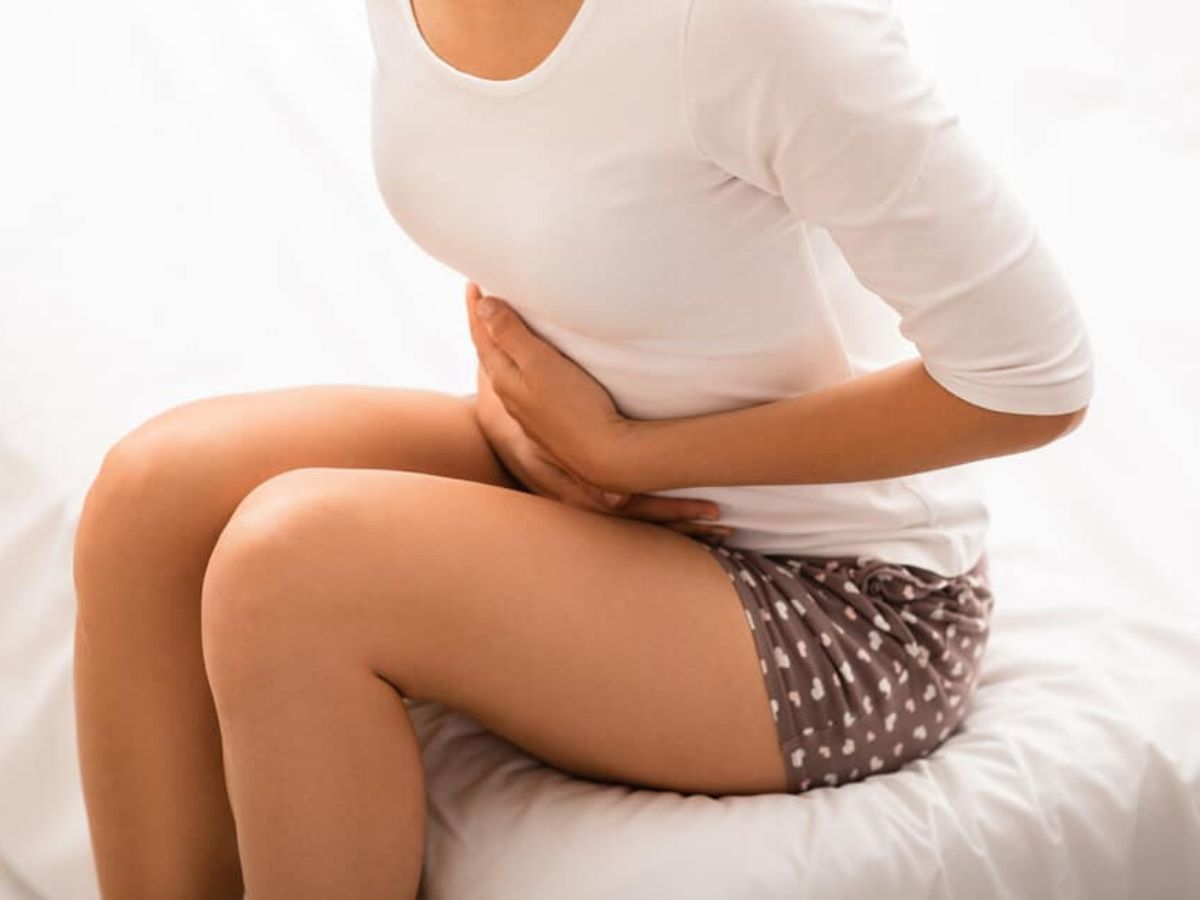
That bloating, unpleasant sensation after eating is something many individuals experience. Bloating is a frequent digestive complaint. Although frequent bloating requires medical attention, occasional discomfort often can be alleviated by minor adjustments in lifestyle.
Gut Health and Heart Connection
Dr. Alok Chopra, cardiologist and functional medicine expert, explained on Instagram, “As a cardiologist and functional medicine expert. I’ve seen how gut health impacts overall health, including your heart.” Research shows the gut-heart axis, a two-way link between gut health and heart function, plays a big role in well-being.
ALSO READ: What is intermittent fasting? Types, Benefits, and How It Works
A 2024 study from Harvard also identified that gut bacteria can influence cardiovascular disease. Researchers identified certain bacteria that feed on cholesterol in the intestine, potentially reducing cholesterol and heart disease risk.
Easy Habits to Help Prevent Bloating
Dr. Chopra offered winning strategies to conquer post-meal bloating:
Eat Slowly and Attentively: Eating hastily can result in overeating and bad digestion. Taking time allows your body to signal fullness and aids digestion.
Avoid Fizzy Drinks: Fizzy drinks can irritate the stomach as they have a lot of sugar and sweeteners, and trap too much gas. This is a recipe for an upset stomach.
Control Your Portions: Eat less but eat frequently. This gives the body time to digest, and bloating does not occur
ALSO READ: 5 Overlooked Signs of Breast Cancer Beyond a Lump
Restrict Gas-Producing Foods: To avoid bloating, try to restrict food items that produce gas in the stomach, such as beans, lentils, cabbage, and broccoli.
Walk After Meals: A milk walk after having a meal can help regulate the digestive process and reduce gas accumulation.
Stay Hydrated: Keep your body hydrated, it improves the digestive process, increases energy, and aids in nutrient absorption.
This article is for general information only and is not intended to be a substitute for medical advice. Slight bloating from time to time is normal, but chronic or severe symptoms need to be evaluated by a medical professional.