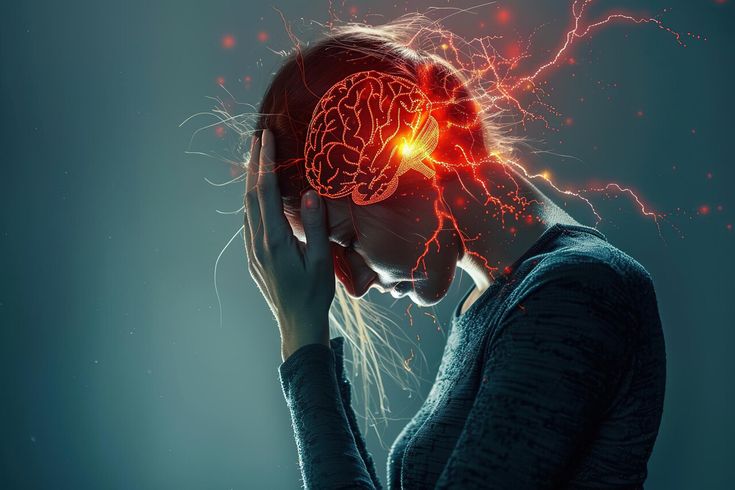
JAIPUR: Migraines are more than just headaches—they are a complex neurological condition that can significantly affect daily life. Characterized by intense, often throbbing pain, migraines may also involve other symptoms such as nausea, visual disturbances, and heightened sensitivity to light and sound. Understanding migraines, recognizing their symptoms, and knowing preventive measures and treatments can help manage this condition effectively.
WHAT IS A MIGRAINE?
A migraine is a type of headache that typically affects one side of the head, though it can involve both sides in some cases. It is a neurological disorder involving changes in brain activity, blood flow, and nerve signaling. Migraines can last anywhere from a few hours to several days, with symptoms ranging from mild discomfort to debilitating pain.
Unlike tension headaches, which are often linked to muscle strain or stress, migraines are associated with neurological factors, including chemical imbalances, hormonal fluctuations, and genetics. They often follow identifiable phases, including prodrome (early warning signs), aura (visual or sensory disturbances), headache, and postdrome (recovery phase).
RECOGNIZING THE SYMPTOMS OF MIGRAINE
Migraines can be recognized by a combination of physical, sensory, and neurological symptoms. Common signs include:
-
Severe Head Pain: Usually throbbing or pulsating, often on one side of the head.
-
Nausea and Vomiting: Many sufferers experience gastrointestinal discomfort during a migraine attack.
-
Sensitivity to Light and Sound: Bright lights or loud noises may intensify discomfort.
-
Aura: Some people experience visual changes such as flashing lights, zigzag lines, or blind spots before the headache starts.
-
Fatigue and Mood Changes: Migraines may cause irritability, depression, or extreme tiredness.
-
Cognitive Impairment: Difficulty concentrating or thinking clearly can occur during attacks.
Recognizing these symptoms early is crucial, as early intervention often reduces the severity and duration of migraine attacks.
COMMON TRIGGERS OF MIGRAINES
While triggers vary from person to person, some common migraine triggers include:
-
Stress: Emotional or physical stress can precipitate migraines.
-
Dietary Factors: Foods like chocolate, caffeine, alcohol, and processed meats may trigger attacks.
-
Hormonal Changes: Fluctuations during menstruation, pregnancy, or menopause.
-
Sleep Disturbances: Insufficient or irregular sleep patterns.
-
Sensory Stimuli: Bright lights, loud noises, or strong smells.
-
Environmental Factors: Changes in weather, air pressure, or altitude.
PREVENTIVE MEASURES
Preventing migraines often involves lifestyle adjustments and proactive health strategies:
-
Maintain a Regular Sleep Schedule: Consistent sleep helps reduce attacks.
-
Healthy Diet: Avoid known trigger foods and stay hydrated.
-
Stress Management: Techniques such as yoga, meditation, or deep breathing exercises can help.
-
Exercise Regularly: Moderate physical activity improves overall health and reduces migraine frequency.
-
Track Triggers: Keeping a migraine diary can help identify and avoid personal triggers.
-
Limit Stimulants: Reduce caffeine, alcohol, and nicotine intake.
TREATMENT OPTIONS
Migraine treatment can be divided into acute and preventive strategies:
-
Acute Treatments: Designed to relieve symptoms during an attack, including over-the-counter pain relievers (ibuprofen, acetaminophen), triptans (prescription medications), and anti-nausea medications. Resting in a dark, quiet room can also help.
-
Preventive Medications: For frequent or severe migraines, doctors may prescribe beta-blockers, anticonvulsants, or antidepressants to reduce the frequency and intensity of attacks.
-
Alternative Therapies: Acupuncture, biofeedback, and herbal supplements like magnesium or riboflavin may be helpful for some individuals.
-
Lifestyle Management: Avoiding triggers, managing stress, and maintaining a balanced routine are crucial for long-term control.
WHEN MIGRAINE STRIKES: QUICK RELIEF TIPS
At the first sign of a migraine, find a quiet, dark room to rest. Close your eyes and practice deep, slow breathing to reduce stress. Apply a cold or warm compress to your forehead or neck, whichever feels soothing. Stay hydrated and sip water or an electrolyte drink. Avoid bright lights, loud sounds, and strong smells. Over-the-counter pain relievers like ibuprofen or acetaminophen can help if taken early. Limit screen time, and consider gentle stretches or relaxation techniques. Keep a migraine journal to identify triggers and prevent future attacks.
Migraines are a complex neurological disorder with a variety of symptoms and triggers. Recognizing the signs early, understanding personal triggers, adopting preventive measures, and seeking appropriate medical treatment can significantly improve quality of life for those affected. While migraines cannot always be cured, proper management allows individuals to reduce the frequency, intensity, and impact of attacks. Awareness and proactive care remain the most effective strategies for managing this condition.
Home Remedies for Migraines
-
Lavendar Oil
-
Yoga
-
Ice Pack
-
Chamomile Tea
-
Head Massage