
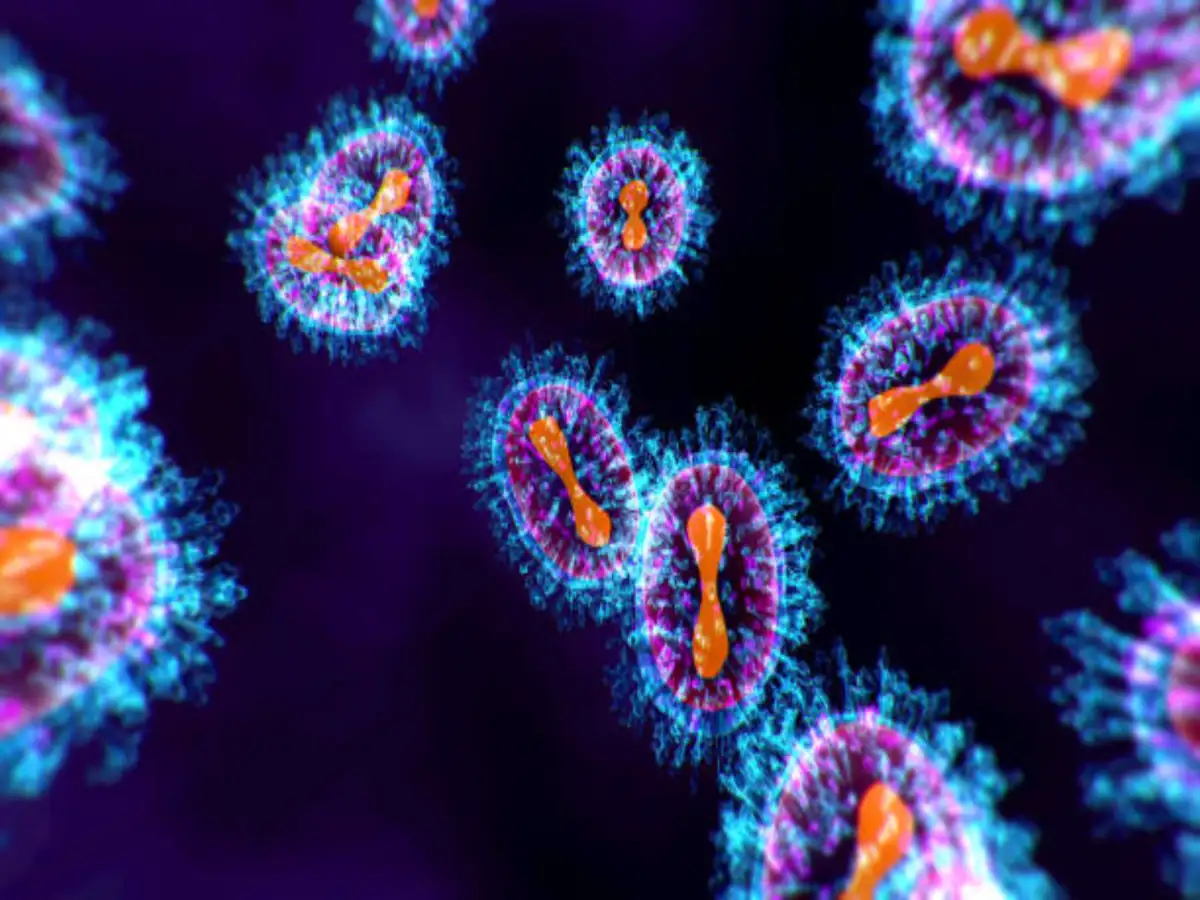
NEW DELHI: The emergence of fresh Nipah virus cases in Asia has placed several Asian countries on high alert, given the virus’s alarmingly high fatality rate, which can range between 40% and 75% in humans. Following at least two reported deaths in West Bengal this month, countries such as Thailand, Malaysia and Singapore have stepped up screening and testing protocols to prevent cross-border spread.
The outbreak has once again drawn attention to a virus that, while rare, is considered one of the most dangerous zoonotic pathogens in the world. But what exactly is the Nipah virus, and how concerned should the public be?
Nipah virus belongs to a group of viruses known as henipaviruses, the same family as the Hendra virus. It is zoonotic, meaning it can spread from animals to humans. The virus was first identified during an outbreak in Malaysia in 1998 and has since caused sporadic outbreaks in South and Southeast Asia, particularly in India and Bangladesh.
How does it spread?
There are three primary modes of Nipah virus transmission.
The first is direct or indirect contact with infected fruit bats, which are the virus’s natural hosts. Humans can become infected through exposure to saliva, urine or faeces. In the initial Malaysian outbreak, transmission also occurred through infected pigs, which acted as intermediate hosts.
The second major route is through contaminated food, especially raw date palm sap or juice. These products can become contaminated when bats feed on date palm trees and leave behind infected bodily fluids.
The third, and less common, mode of transmission is from human to human. This typically occurs through close contact, such as caring for an infected person in households or healthcare settings, where exposure to bodily secretions can occur.
What are the symptoms?
Nipah virus infection can progress rapidly. The incubation period—the time between infection and the onset of symptoms—usually ranges from four days to two weeks.
The disease can be devastating. Roughly half of those who develop severe infection do not survive. Symptoms vary in severity and may initially resemble other viral illnesses, including respiratory infections such as pneumonia.
The most dangerous complication is encephalitis, or inflammation of the brain, which accounts for the virus’s high mortality rate. Symptoms may include fever, severe headache, difficulty breathing, seizures, loss of consciousness, weakness or paralysis of limbs, jerky movements, and changes in personality or behaviour, including psychosis.
In a particularly concerning feature of the disease, some patients who recover from the initial infection can develop relapsed encephalitis years later—sometimes more than a decade after the original illness.
Is there a treatment or vaccine?
Currently, there is no approved treatment or vaccine for Nipah virus. However, a potential therapeutic antibody known as m102.4 is under development in Australia. A phase 1 clinical trial published in 2020 found that a single dose of the treatment was well tolerated in healthy volunteers.
While this offers hope, the treatment is still far from being widely available and is being studied primarily as a therapy rather than a preventive option. No vaccine exists at present.
How worried should people be? The current outbreak is concerning because of the severity of the disease and the lack of proven treatment or prevention. However, experts stress that Nipah virus is unlikely to trigger a global public health crisis on the scale of COVID-19.
This is largely because the virus does not spread easily between humans, and most infections are linked to animal exposure or contaminated food. For people living outside affected areas, the risk remains low.
Even within outbreak zones, case numbers are currently limited, and public health authorities have moved quickly to contain the spread.
People who develop symptoms such as fever after travelling to affected regions should inform their doctors about their travel history. At this stage, doctors are still more likely to suspect more common infections such as malaria or typhoid than Nipah virus.
Overall, while the Nipah virus warrants close monitoring and vigilance—especially in affected countries—it remains a localized public health threat rather than a global one.