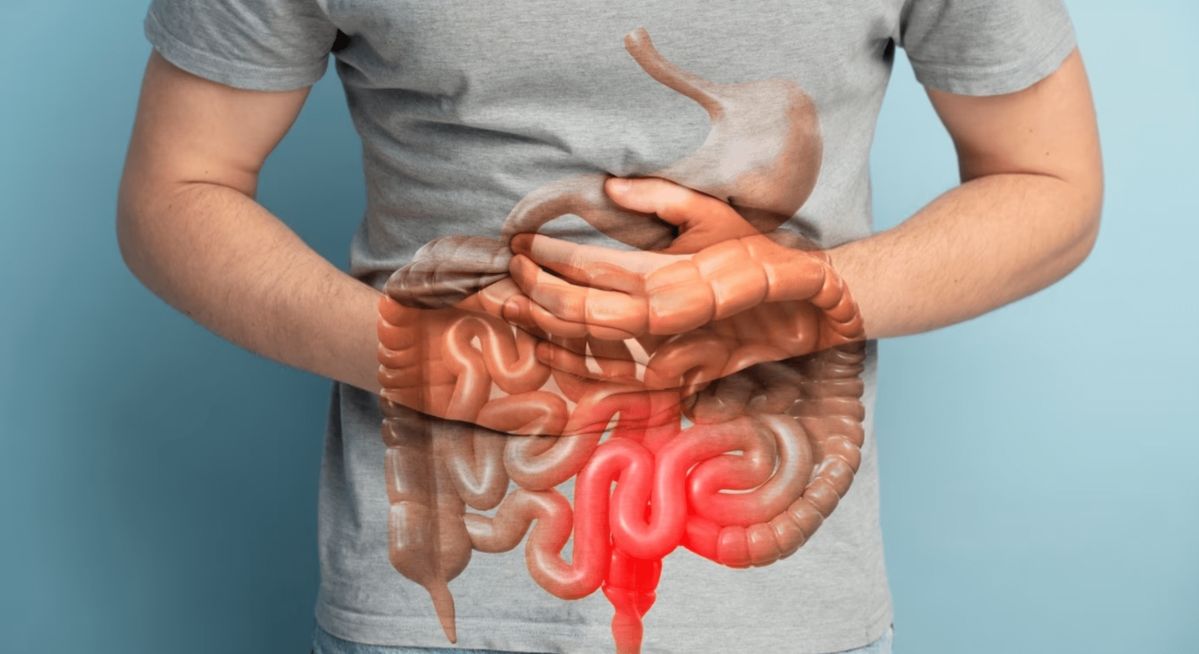
NEW DELHI: Constipation is one of the most common digestive complaints people face—a few skipped days can feel uncomfortable but often gets dismissed as a minor annoyance. However, when constipation becomes persistent and lasts for weeks or months, it morphs into a chronic condition that can quietly affect not just your gut but your overall health and well-being.
WHAT DOCTORS MEAN BY LONG-TERM CONSTIPATION
Medical experts typically describe constipation as having fewer than three bowel movements a week, experiencing hard, dry stools, or feeling significant difficulty and pain while passing stool. When these symptoms persist for a prolonged period, doctors label it chronic constipation, and that’s when the real trouble can begin.
SERIOUS COMPLICATIONS FROM IGNORING CONSTIPATION
Long-standing constipation isn’t just uncomfortable—it can lead to a range of complications:
-
Hemorrhoids and anal fissures: Repeated straining to pass hard stools puts increased pressure on the veins around the anus, which can lead to haemorrhoids (piles). Additionally, sharp, hard stools can tear the lining of the anus, causing painful fissures that may bleed.
-
Fecal impaction: When stool stays in the colon too long, it can become extremely dry and hard, eventually getting stuck in the rectum—a condition called fecal impaction. This may require medical intervention, cause severe abdominal pain, nausea, and even leakage of stool around the blockage.
-
Rectal prolapse: Persistent straining over time weakens the muscles supporting the rectum. In severe cases, part of the rectum can protrude outside the anus—a condition called rectal prolapse, which often needs surgical correction.
-
Reduced quality of life: Ongoing constipation can affect mood, appetite, energy levels, and even social activities. Many people report feeling anxious or tired, dreading travel or work because of unpredictable bowel habits.
COMMON CAUSES BEHIND CHRONIC CONSTIPATION
Understanding what fuels long-term constipation makes tackling it easier. Key contributors include:
-
Diets low in fibre and high in refined foods
-
Inadequate fluid intake
-
Sedentary lifestyle
-
Certain medications (like painkillers, iron supplements, antidepressants)
-
Hormonal changes or underlying conditions such as hypothyroidism or diabetes
-
Ignoring the urge to go when nature calls
HOW TO MANAGE AND PREVENT LONG-TERM CONSTIPATION
The good news is that most chronic constipation can be eased with consistent lifestyle changes:
-
Increase natural fibre intake: Boosting fibre from fruits, vegetables, whole grains, lentils, seeds and oats helps add bulk to stool and supports regular bowel movement.
-
Stay well hydrated: Drinking enough water keeps stool soft and easier to pass. Herbal teas and soups can help too.
-
Stay physically active: Even moderate exercise like brisk walking, yoga or light stretching stimulates healthy digestion.
-
Train your bowel habits: Try to use the toilet at roughly the same time each day—especially after meals when the gut is most active—and don’t ignore the urge to go.
-
Manage stress: The gut-brain connection is real; chronic stress slows digestion, so techniques like deep breathing, meditation or gentle yoga can support better bowel health.
WHEN TO SEEK MEDICAL HELP
If constipation lasts longer than three weeks or comes with blood in stool, unexplained weight loss, severe abdominal pain, or sudden changes in bowel habits, it’s important to consult a healthcare provider—these signs could indicate an underlying condition.