People with obesity and diabetes need a healthy diet to support weight loss and improve blood sugar. Nearly 70% of new type 2 diabetes cases linked to obesity stem from poor diets. Avoiding high-glycemic foods, saturated fats, and trans fats, while choosing healthier options, can help slow or reverse disease progression.
Foods to consume for people with obesity and diabetes:
Vegetables: Non-starchy vegetables like spinach and broccoli are low-calorie and high-fiber, promoting weight loss and better glycemic control by reducing postprandial glucose spikes. Higher intake lowers type 2 diabetes risk in overweight individuals and increases satiety to prevent overeating.
Whole grains/Millets: Whole grains and millets such as ragi and jowar provide fiber that slows glucose absorption, lowers HbA1c, and supports weight management in type 2 diabetes. They also improve lipid profiles and insulin sensitivity more effectively than refined grains, helping manage obesity-related complications.
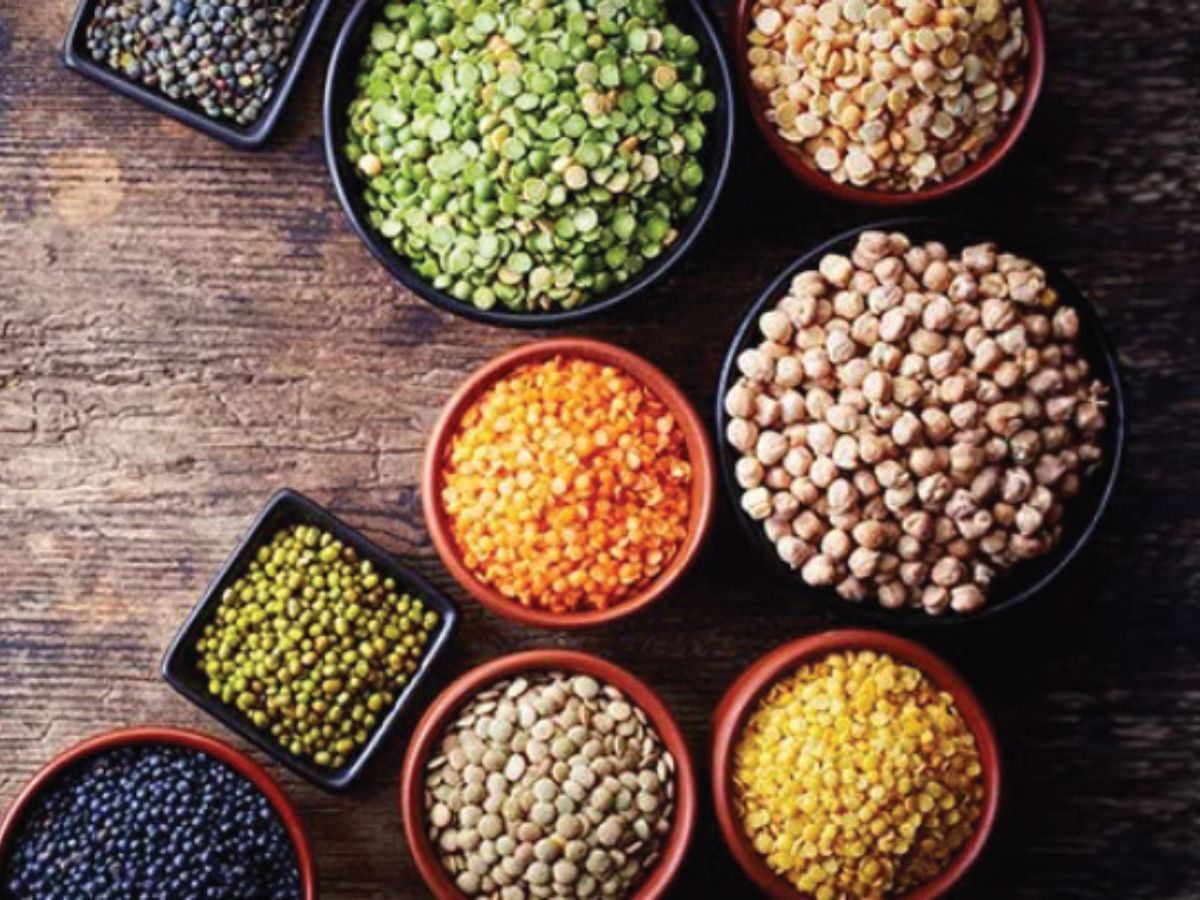
Pulses/Legumes: Pulses like moong dal and chickpeas offer fiber and protein that reduce postprandial glucose and improve insulin resistance. Regular intake in low-GI diets supports weight loss and lowers cardiovascular risks in obese diabetic individuals.
Diary: Low-fat dairy products like curd provide calcium and protein that support insulin sensitivity and modest weight control in metabolic syndrome. Fermented low-fat options such as yogurt maintain glucose balance while keeping calorie intake controlled.
Fruits: Low-GI fruits like guava and apple improve HbA1c, HDL cholesterol, and blood pressure. Choosing whole low-GI fruits supports glycemic stability and reduces obesity risk without causing sugar spikes.
Proteins: Lean proteins from eggs, chicken, or plant sources improve body composition, reduce fat mass, and enhance glucose control. Higher protein intake supports weight loss and insulin sensitivity more effectively than low-protein diets in obese diabetic individuals.
Fats: Healthy fats from nuts such as almonds and walnuts blunt postprandial glycemia through unsaturated fats and fiber. Regular nut consumption improves insulin sensitivity, satiety, and lipid profiles, reducing obesity and cardiovascular risks.
Foods to avoid
Refined carbs: White rice and similar refined carbs spike glucose and insulin, worsening obesity and glycemic control.
Sugar: Sugar-laden foods cause rapid hyperglycemia, increasing insulin resistance and obesity risk.
Red meat: High red meat intake increases glucose and insulin responses, contributing to metabolic stress and diabetes progression.
Practicing portion control as advised by a dietitian is essential. Along with healthy eating, regular physical activity is equally important for effective condition management.