
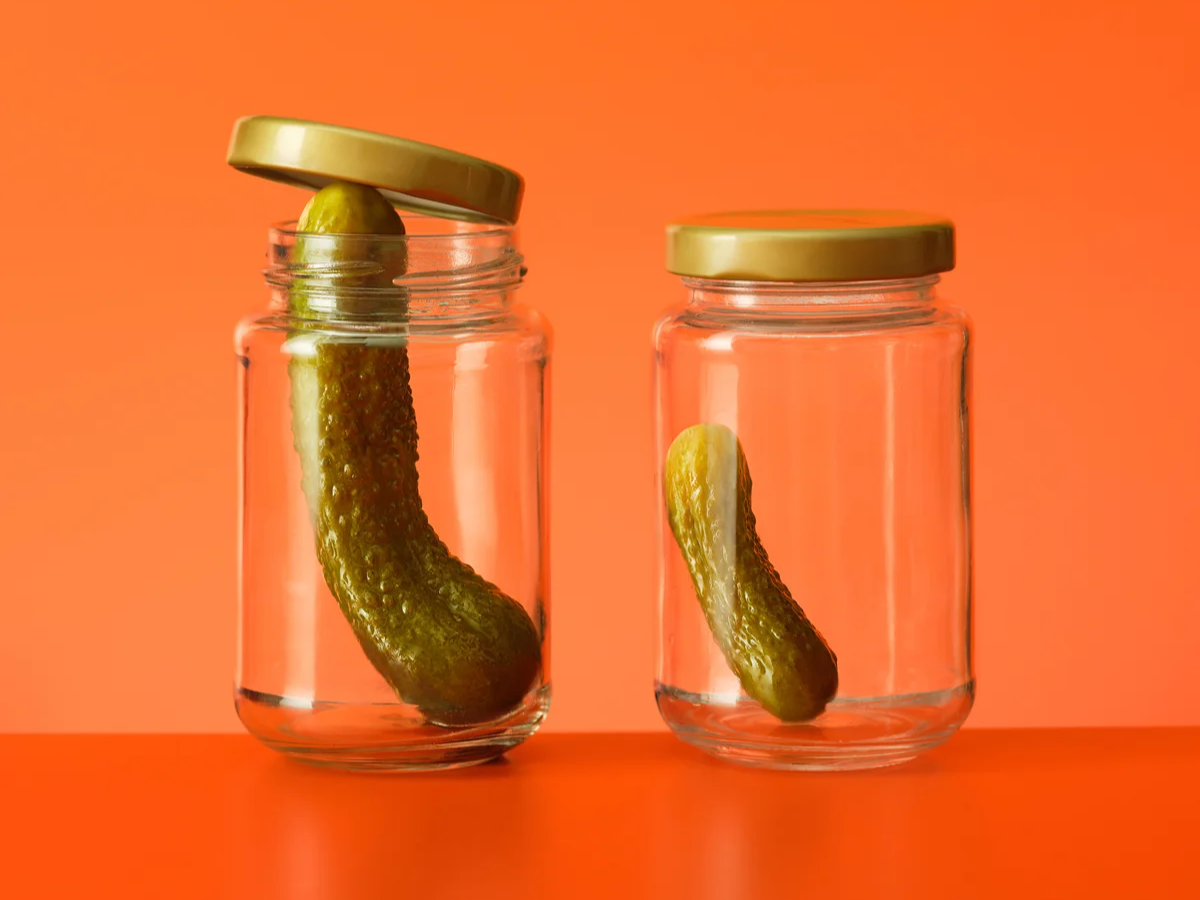
No matter how frequently sex is talked about in pop culture, the media, and online, our collective knowledge of it is still full of myths. Experts are sounding off on some of the most enduring sexual myths that cause confusion, anxiety, and shame. Here are ten of the most prevalent myths and what’s real.
1. Sex Is Equal to Penetration
Sex ed for decades has centered almost entirely on reproduction and thus penetration. But limiting sex to intercourse ignores a variety of intimate experiences. Psychosexual therapist Kate Moyle reports that this limited definition pushes aside the emotional and physical worth of other sexual activity. “Intercourse isn’t the only real sex,” she asserts. “Other acts are worthy in their own right.” Trying various styles of connection and breaking out of “penetration ruts” can revitalize intimacy and intensify pleasure.
2. Arousal Must Be Physical
If your partner is not visibly stimulated like not having an erection or lubrication it doesn’t necessarily mean they are not attracted to you. Physical responses are influenced by stress, trauma, medications, and so much more. Dr Emily Jamea puts it in context, “Bodies are not machines.” Additionally, as psychotherapist James Earl adds, “You can be turned on without showing it and vice versa.”
3. Porn Always Ruins Relationships
While compulsive viewing of pornography can destroy a relationship, not all porn is destructive. “Porn is not a monolith,” Silva Neves says, pointing out there are ethical and inclusive ones to view. The secret is to view consciously and talk openly with your partner, agreeing on common values and boundaries.
ALSO READ: Mel B marries Rory McPhee again: Inside Spice Girl’s crystal-studded red gown at Moroccan wedding
4. Only Men Get Performance Anxiety
Performance pressure affects all genders. Symptoms manifest differently for men, it might mean erectile difficulties; for women, it could include tightness or inhibited orgasm. Moyle suggests breaking the silence with your partner and taking a break from anxiety-inducing acts to reframe intimacy around what feels good.
5. You’re Naturally Good (or Bad) at Sex
Being “good at sex” is not necessarily about natural ability but about communication, connection, and curiosity. Dr Jamea encourages individuals to ask just one question when they are intimate: “What feels best for you?” The greatest lovers are co-creators who focus on common pleasure.
6. Sex Ends When You Age
Most older adults continue to be sexually active and contented. Activist Joan Price states, “Yes, sex changes, but we just need to explore new ways.” With creativity and communication, age doesn’t spell the end of sex but a new chapter.
ALSO READ: PG Owner in Bengaluru Rapes Student Just Days After She Shifts In
7. Penis Size Determines Pleasure
Even under social pressure, the majority of women don’t have an interest in penis size, and pleasure is determined by much more. Dr Shirin Lakhani recommends emphasis on communication and other means of intimacy, such as oral or hand play, if size anxiety arises.
8. Sex Toys Are for the Unsatisfied
Sex toys are not substitutes they’re add-ons. “Think of them as tools, not threats,” Moyle says. Alone or with a partner, toys can bring novelty, spice, and intimacy.
9. Anal Sex Is Only for Gay Men
This myth not only ignores heterosexual curiosity but also fuels stigma. Anal pleasure can be enjoyed by anyone. Neves recommends proper preparation and communication for safe, shame-free exploration.
10. You’re Either High or Low Libido
Sexual desire is malleable and shaped by stress, sleepiness, mood, and relationship patterns. Rather than inquiring “Am I in the mood?”, Jamea proposes, ask what would make you feel receptive to desire. Your libido isn’t fixed it’s adaptive.