
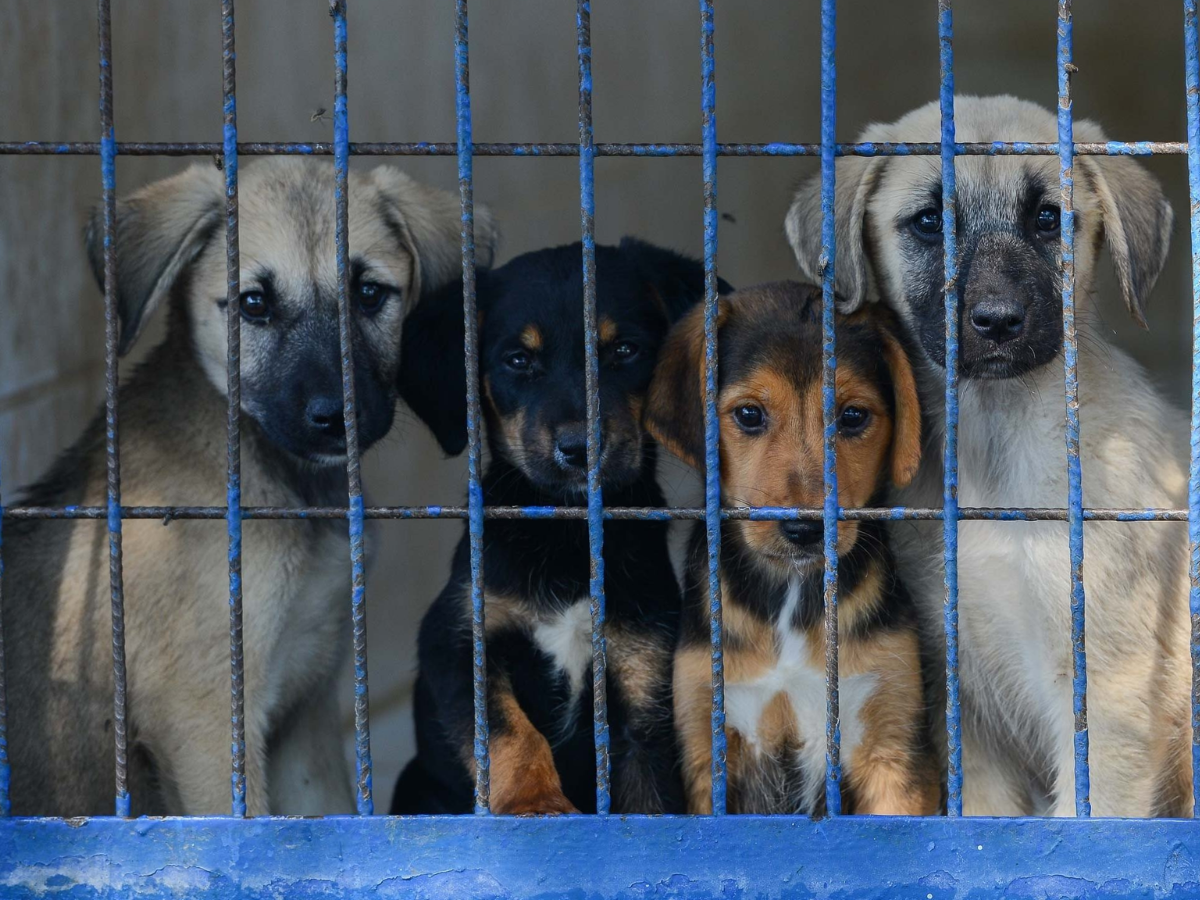
The Supreme Court has released fresh guidelines for handling stray dogs in Delhi and the National Capital Region (NCR). In its order, the court said only dogs infected with rabies or showing aggressive behaviour should remain in shelters. All other strays, once vaccinated and sterilised, must be released back into the same locality from where they were taken.
The court underlined that dogs should not be removed from their natural surroundings without strong reasons. It stressed that stray dogs have the right to live and must be treated with dignity, in line with earlier legal rulings on animal rights.
Objections from Saket Residents
The order, however, has triggered concerns among residents of Delhi’s Saket area and their Resident Welfare Association (RWA). They argued that the decision does not protect public safety. Many residents believe the ruling will leave them vulnerable to dog attacks, especially since the city has seen several cases of stray dogs attacking children and elderly people in parks and residential lanes.
Locals also questioned how officials would identify which dogs are aggressive. They demanded clarity on who will be responsible if a dog that is released later harms someone.
Also Read: Supreme Court Order on Stray Dogs Faces Ground Reality Test in Delhi
Rising Safety Concerns
Residents highlighted that dog bite incidents are frequently reported from different parts of Delhi. Some recalled cases where children needed hospital treatment after attacks. Elderly citizens also said they feel unsafe while walking in the evenings because strays often gather in groups.
People claimed that the Supreme Court’s order does not reflect the situation on the ground, where the fear of stray dogs remains high. They warned that without proper monitoring, releasing dogs back into neighbourhoods could increase the risk of attacks.
Feeding Zones Debate
Another major issue raised by residents is the court’s direction to set up feeding points for stray dogs. The Supreme Court instructed the Municipal Corporation of Delhi (MCD) to identify safe and dedicated areas where people can feed strays without disturbing public spaces.
However, residents expressed doubts about whether this directive would be carried out effectively. They reminded that earlier court orders, such as removing encroachments from footpaths, were never fully implemented by the MCD. Some argued that unless feeding zones are created and monitored properly, conflicts between dog feeders and residents will continue.
Mixed Reactions to the Order
Despite the criticism, not everyone opposed the ruling. Several animal lovers and activists welcomed the decision, calling it “humane and balanced.” They said dogs are part of society and deserve the right to live freely. According to them, confining all strays in shelters is unnecessary and cruel.
Supporters also pointed out that sterilisation and vaccination are proven ways to control the stray dog population. They argued that with proper care, feeding, and medical treatment, stray dogs can coexist with people without becoming a threat.
Call for a Clear Roadmap
Members of the Saket RWA demanded a detailed plan from the authorities. “We want the government and municipal authorities to come up with a roadmap that ensures the safety of both people and animals,” one member said. Residents insisted that only strict monitoring, quick response systems for complaints, and transparent reporting will build trust among citizens.
Court’s Clarification on Earlier Order
The Supreme Court also modified its previous order on stray dog management. It made clear that only rabid or aggressive dogs will be confined, while vaccinated and sterilised dogs will return to their original areas. The court explained that the aim is to balance public safety with animal welfare. However, with growing tensions in residential areas, it remains to be seen how the authorities will put this order into action.\
Also Read: Vir Das Welcomes Supreme Court’s Modified Order on Stray Dogs