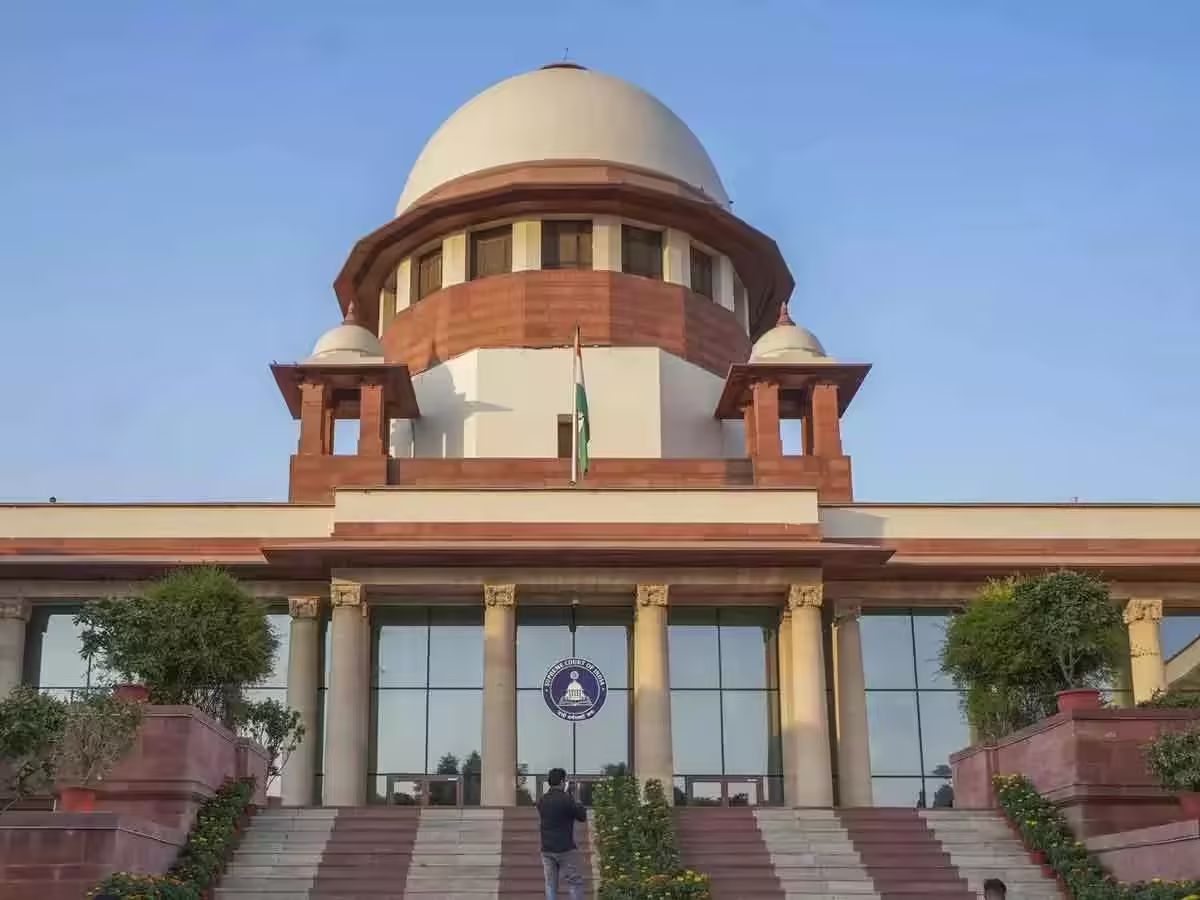
NEW DELHI: The Supreme Court of India on Monday declined to stay the amendment to the Right to Information (RTI) Act introduced through the Digital Personal Data Protection (DPDP) Act, 2023, even as it agreed to examine the constitutional challenge to the law. The top court’s order came amid concerns that the amendment could weaken transparency safeguards by broadly limiting disclosure of personal information.
A bench led by Chief Justice of India Surya Kant, along with Justices Joymalya Bagchi and Vipul M Pancholi, said the challenge involves “complex and sensitive” issues requiring deeper scrutiny rather than an interim halt. “By an interim order, we will not thwart a regime introduced by Parliament unless we hear the case,” the bench observed while refusing to stay the impugned provisions.
The court issued notice to the Centre on several petitions questioning the constitutional validity of key provisions of the DPDP Act and the Digital Personal Data Protection Rules, 2025, particularly the clauses that alter how personal information is treated under the RTI framework. The matter has been referred to a larger bench, with listing expected on a miscellaneous day in March.
At the heart of the dispute is Section 44(3) of the DPDP Act, which amends Section 8(1)(j) of the RTI Act. Under the earlier RTI law, personal information could be disclosed if it was related to public activity or justified by larger public interest. Petitioners contend that the amendment removes this balancing test and instead creates a blanket bar on the disclosure of personal data, effectively curtailing the right to information and freedom of speech.
The petitions have been filed by a mix of RTI activists and civil society organisations, including Venkatesh Nayak on behalf of digital platform The Reporters Collective, journalist Nitin Sethi, and the National Campaign for People’s Right to Information (NCPRI). They argue that the amendment disproportionately privileges privacy at the cost of transparency and accountability in governance.
Senior advocates representing the petitioners described the change as using “a sledgehammer” rather than a precise tool, saying it had rendered a “body blow” to the RTI regime’s purpose. They warned that the broader exemption could shield critical information about public programmes and decision-making processes from public scrutiny.
While upholding the need to protect personal data, the Supreme Court stressed the necessity of balancing competing fundamental rights—particularly the right to information and the right to privacy. The larger bench will now examine whether the amendments unduly tilt this balance and whether they align with constitutional guarantees.
For now, the RTI amendment remains in force, and the Supreme Court will proceed with detailed hearings to determine the law’s constitutional validity.