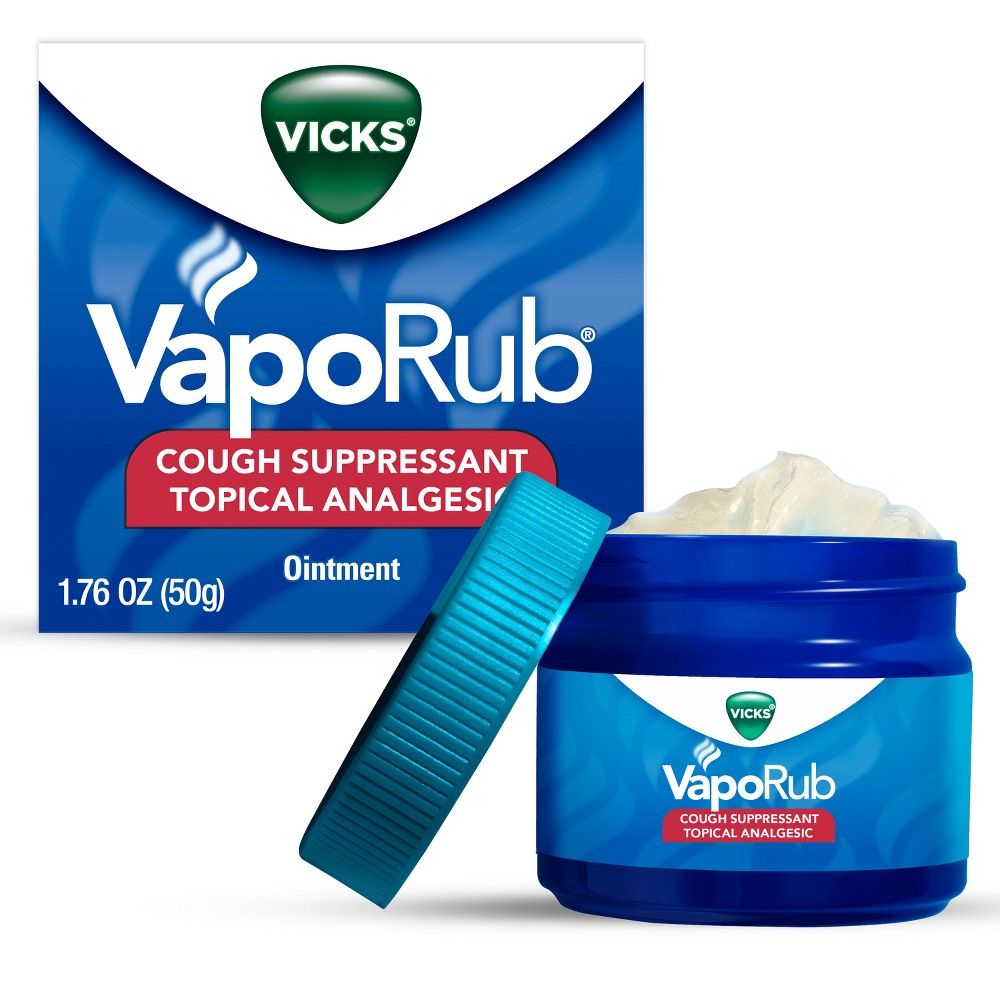
NEW DELHI: The Madras High Court has ruled that the term ‘Vapo’ is descriptive, generic and publici juris—belonging to the public—and that Procter & Gamble Company (P&G), maker of the popular Vicks VapoRub, cannot claim exclusive trademark rights over its use.
In an order dated January 6, Justice N. Senthilkumar dismissed three trademark rectification petitions filed by P&G seeking cancellation of registrations granted to IPI India Private Limited for the marks “VAPORIN”, “VAPORIN COLD RUB” and allied device marks under Classes 3 and 5 of the Trade Marks Act, 1999.
Rejecting P&G’s claims, the Court held that the use of the word “Vapo” in IPI India’s marks does not render them deceptively similar to “VICKS VAPORUB”. It observed that “VICKS VAPORUB” and IPI India’s products—“VAPORIN”, “VAPORIN COLD RUB” and “Vapor In, Stress Out, Anytime, Anywhere”—are distinct in name, appearance and overall commercial impression.
“The term ‘VAPO’ is publici juris and as such, the use of the word ‘VAPO’ in the first respondent’s mark will not render it deceptively similar to that of the petitioner’s mark,” the Court said.
P&G had approached the High Court under Sections 47, 57 and 125 of the Trade Marks Act, seeking rectification of the trademark register. The company claimed long-standing statutory and common law rights over “VICKS”, “VAPORUB” and other ‘Vapo’-formative marks, stating that Vicks was launched internationally in 1890 and in India in 1964, and enjoys significant goodwill and brand recognition. According to P&G, IPI India’s use of “VAPORIN” and related marks was deceptively similar to Vicks VapoRub in name, trade dress and overall impression, and was allegedly intended to ride on Vicks’ reputation.
IPI India, however, opposed the petitions, arguing that “Vapo” is descriptive of vapour-based medicinal preparations, and is commonly used in the trade. It cited several third-party products using ‘Vapo’-prefixed names and relied on its own registrations, advertisements and sales of “VAPORIN” products since 2013.
Agreeing with IPI India, the Court reiterated that trademarks must be compared as a whole, without dissection, and from the perspective of an average consumer with ordinary intelligence and imperfect recollection. On such a comparison, it found that the rival marks are phonetically and visually dissimilar, with distinct colour schemes, packaging and trade dress.
The Court held that there was no likelihood of confusion or deception regarding the source of the products. It further noted that extensive third-party use of the term reinforced its generic nature.
Concluding that “Vapo” is merely an abbreviated form of “vapour” and incapable of monopolisation, the Court dismissed all three petitions filed by P&G.
P&G was represented by advocate Abhishek Jenasenan, while IPI India was represented by advocate Ramesh Ganapathy of Mission Legal.