NEW DELHI: A committee representing the Ladle Mashaik Dargah in Aland, in Kalaburagi district of Karnataka, has filed a petition in the Supreme Court of India seeking an order to restrain the conduct of Hindu Maha Shivaratri puja inside the dargah premises and to bar any construction or modification that could change the site’s established religious character.
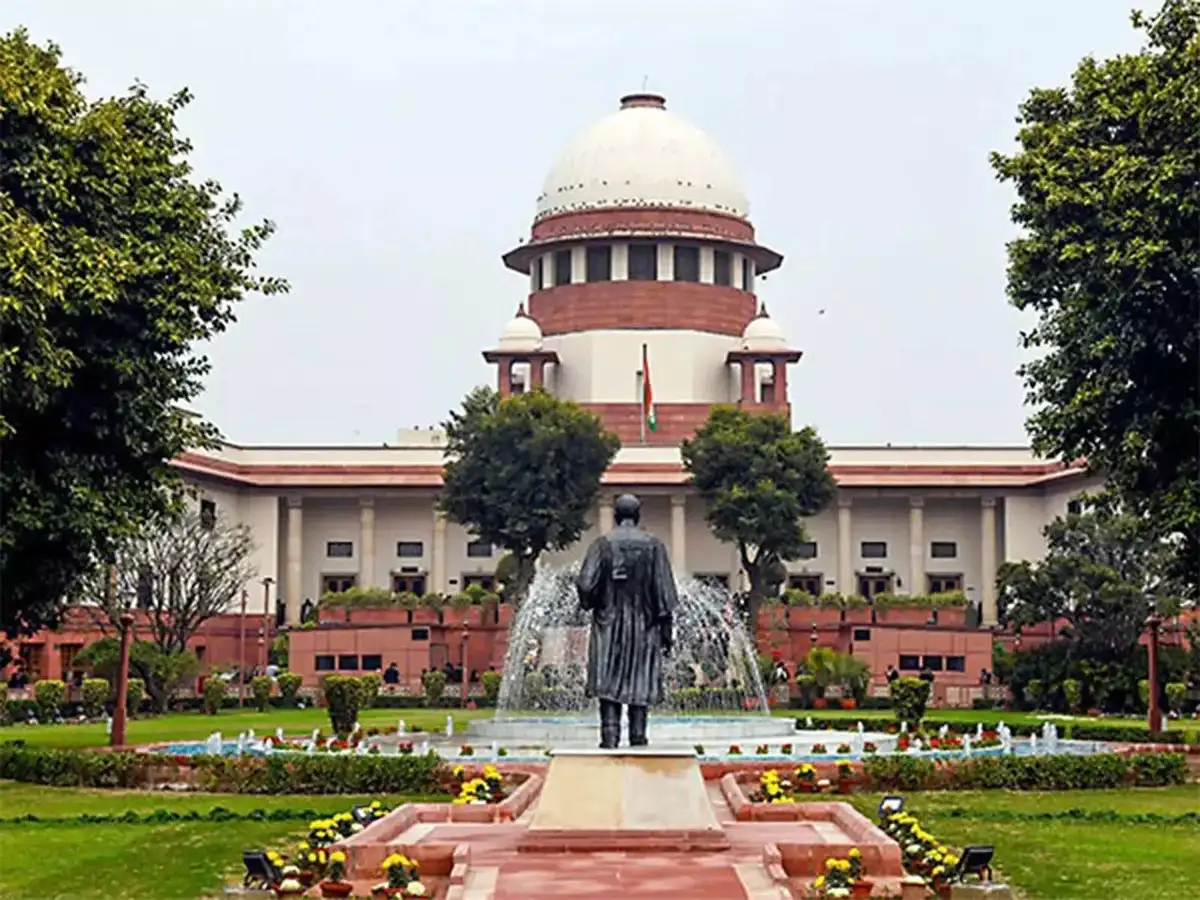
The matter, mentioned before a bench led by Chief Justice of India Surya Kant and Justice Joymalya Bagchi, arises ahead of the upcoming Maha Shivaratri festival on February 15, 2026. The dargah’s counsel, Senior Advocate Vibha Datta Makhija, urged the court to hear the petition urgently so that any festival-related rituals could be restrained before they take place. The Supreme Court agreed to consider the request but expressed concern about such matters being brought directly to the apex court under Article 32 without first approaching the concerned High Courts.
The Ladle Mashaik Dargah is a centuries-old shrine associated with Hazrat Shaikh Alauddin Ansari, a 14th-century Sufi saint, and Raghava Chaitanya, a 15th-century Hindu saint, whose remains both lie at the site. A Raghava Chaitanya Shivaling is also located within the compound. Historically, worshippers from both Muslim and Hindu communities have visited the site. However, communal tensions have periodically erupted over competing claims to religious use and access rights.
The current petition contends that a pattern of legal petitions and interim court orders is being used to change the shrine’s religious character over time. According to the plea, earlier civil litigation to reclassify or alter the site’s status repeatedly failed, so petitioners began filing incremental applications around festival times to secure interim rights to enter and conduct rituals — effectively creating precedents for further access.
For instance, in February 2025, a Karnataka High Court bench permitted a limited number of Hindu devotees (15 individuals) to perform Shivaratri puja at the Shivaling inside the dargah under stringent security, an order that was acted upon without major incidents. According to the Supreme Court petition, this, and similar festival-linked interim orders, are part of a “coordinated pattern” that circumvents the prohibitions of the Places of Worship (Special Provisions) Act, 1991 by securing police-facilitated access during religious festivals. The law generally bars changing the religious character of worship sites as they existed on August 15, 1947.
The plea also references a 1968 municipal record in which the Aland Town Municipal Council rejected an application to construct a temple or samadhi within the dargah compound, noting that the site was a Mazhar with Muslim graves and lacked documentary evidence supporting non-Waqf constructions. Despite that long-standing position, the petition states litigation and festival applications continue to press for expanded access rights.
The Supreme Court’s intervention in this case touches on broader questions about how shared sacred spaces with layered histories are treated under Indian law and whether interim festival-linked court orders can cumulatively alter their character. The bench said it would examine these issues but reiterated that parties should first approach High Courts before coming to the Supreme Court under Article 32.