
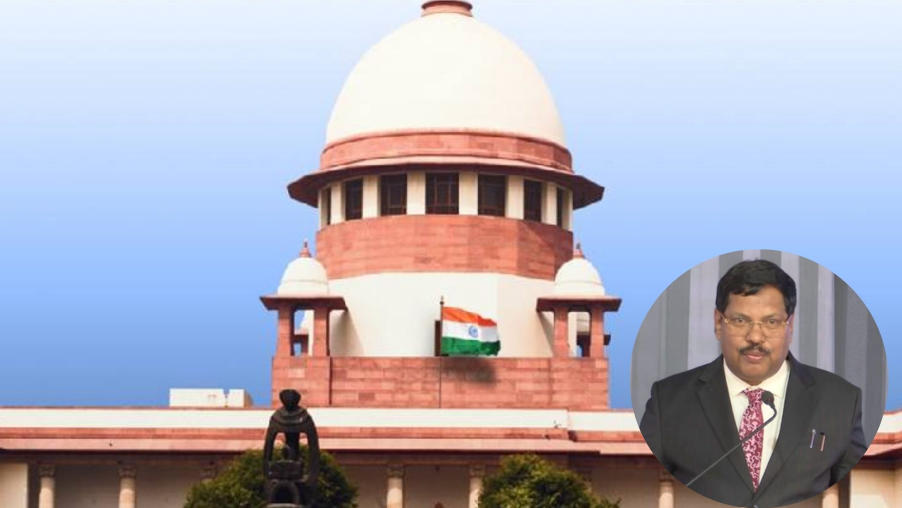
A plea challenging the Supreme Court’s recent stray dog removal order was mentioned before Chief Justice of India (CJI) BR Gavai’s bench, where he assured, “I will look into it.”
This came just two days after the court directed that “all stray dogs in Delhi-NCR be picked up within eight weeks” and housed in shelters set up by the appropriate authorities.
Public Opinion Split
The order has split public opinion. While some hailed it as a welcome “relief”, others criticised it as “illogical” and warned it could “escalate human-dog conflicts”.
Reference to Previous Protections
During the hearing, lawyers pointed to an earlier Supreme Court ruling that “prohibited the relocation or killing of stray dogs” and required compliance with existing laws on their care. Animal lovers saw CJI Gavai’s remark as a “glimmer of hope” that the new order might be reconsidered.
Court Criticism of ABC Rules
The bench ordered contempt proceedings against anyone obstructing the removal drive and criticised the Animal Birth Control (ABC) Rules, which require sterilised dogs to be returned to the same area. Calling this “unreasonable and absurd”, the court stated, “Whether sterilised or not, society must feel free and safe. You should not have any stray dog roaming around.”
Conflict with Past Judgment
Lawyers argued that the new directions conflict with the Supreme Court’s May 9, 2024 ruling. In that verdict, Justices Maheshwari and Karol reaffirmed that “under all circumstances, there cannot be any indiscriminate killings of canines”. The court had emphasised that authorities must follow “the mandate and spirit” of current laws and uphold the constitutional value of “compassion for all living beings”. It also noted that “future disputes can be brought before the appropriate constitutional courts or forums.”