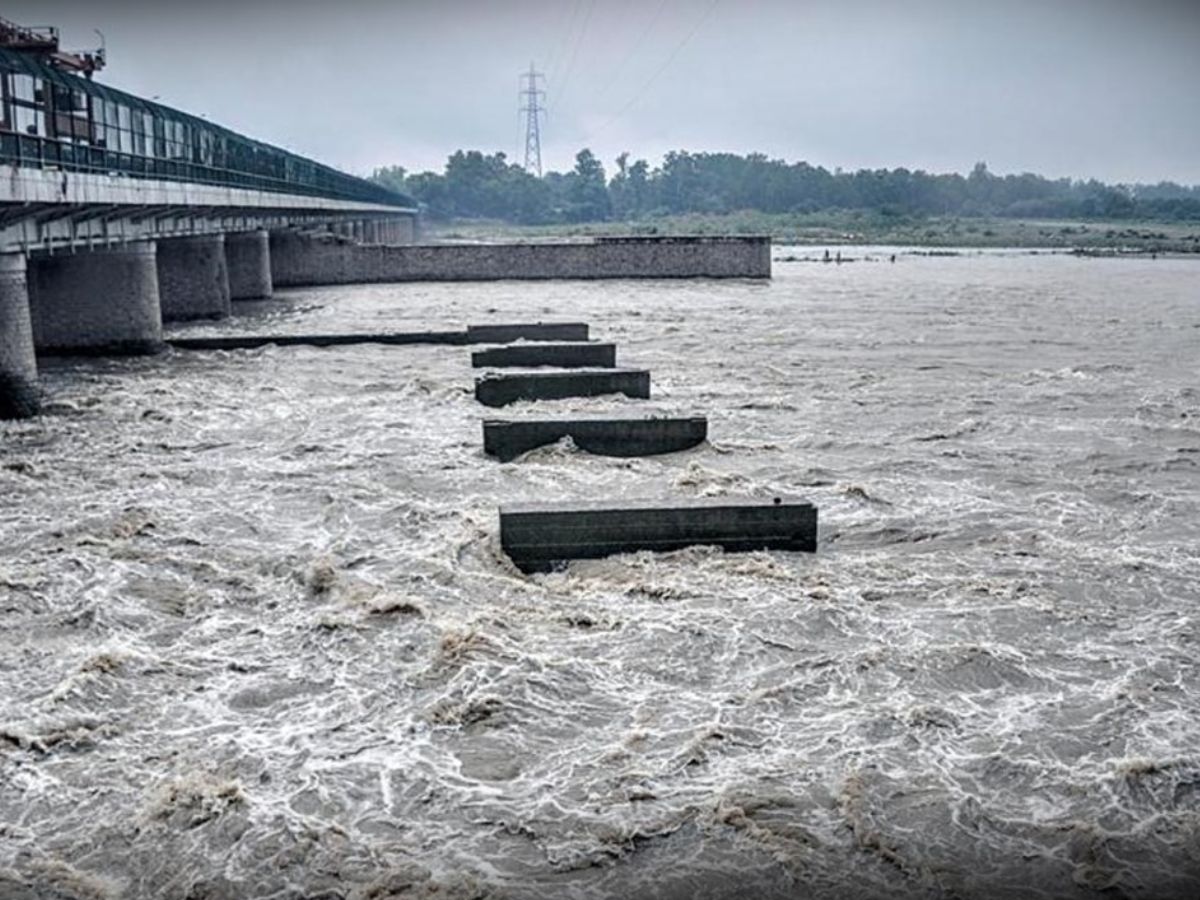
The Yamuna River breached the 206-metre mark in Delhi on Tuesday evening, the first time this monsoon season. At 8 pm, the Central Water Commission (CWC) recorded water levels at 206.3 metres at the Old Railway Bridge, with projections warning it could reach 206.9 metres by Wednesday morning. Authorities fear the river may cross the critical 207-metre threshold, a level breached only four times in the past six decades.
Lessons from 2023 Floods
Historical records show how serious the situation could become. In July 2023, the Yamuna hit an unprecedented 208.66 metres, inundating large parts of the city and displacing thousands. Officials worry that the current surge, if not contained, could mirror that disaster.
Why the Yamuna is Rising
The flooding threat stems from heavy rainfall in the upper Himalayas and northwestern India, forcing massive discharges from the Hathnikund Barrage on the Haryana-Uttar Pradesh border. On Monday morning, the barrage released over 329,000 cusecs, the highest this season, and has maintained flows above 100,000 cusecs since. Since water takes 36–48 hours to travel downstream, Tuesday’s rise in Delhi reflects Monday’s surge.
Emergency Closures and Evacuations
Authorities have imposed precautionary measures:
- Old Railway Bridge (Loha Pul) was closed to traffic at 4 pm on Tuesday.
- Four drain regulators – Vijay Ghat, Qudsia, Metcalfe, and Tonga Stand – were shut to stop backflow into the city’s drainage system.
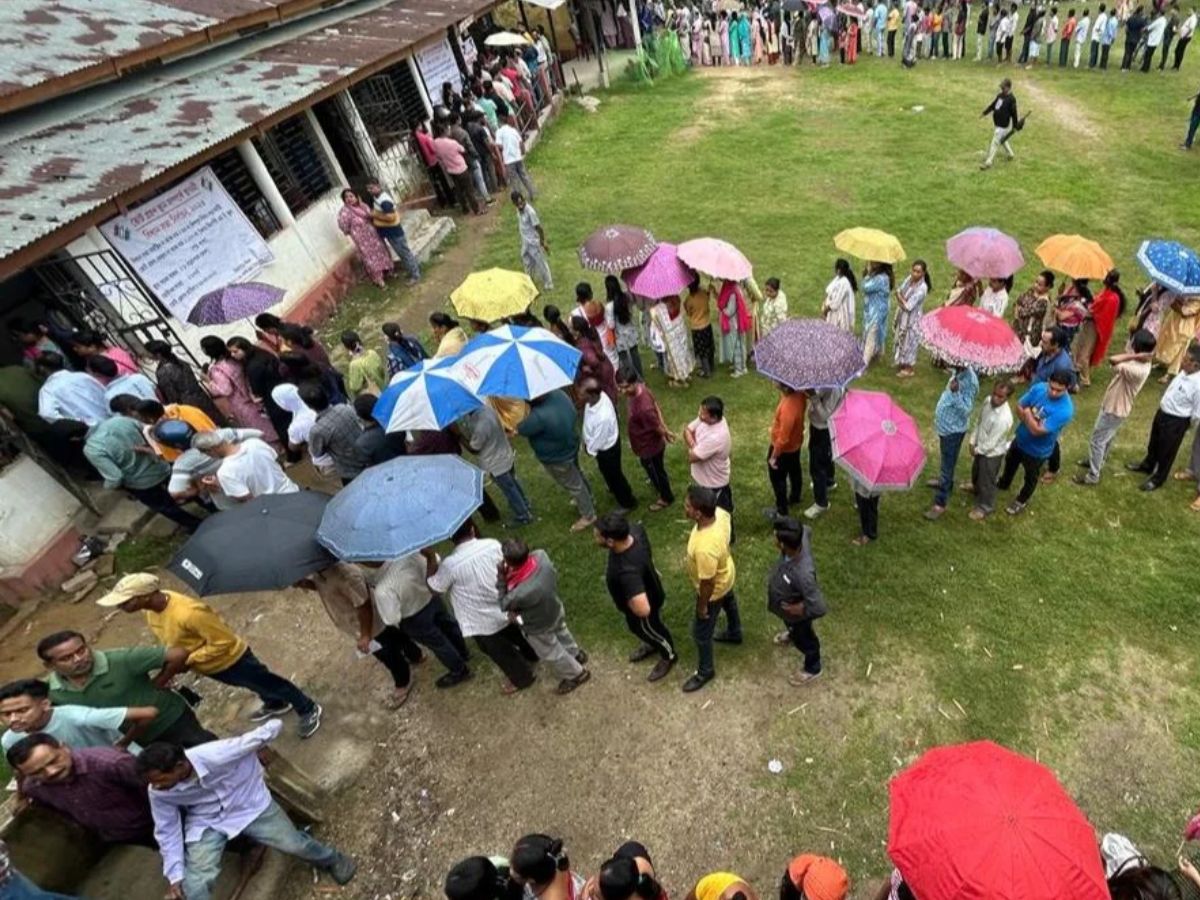
- Evacuations from low-lying areas have begun, with residents moved to temporary shelters.
Expert Warnings
Experts say the river is reclaiming its floodplain, which has been altered by construction and beautification projects. Bhim Singh Rawat of SANDRP warned that areas like Vasudev Ghat, Asita East and West, Kalindi, and Mayur Vihar floodplain parks could be underwater by Wednesday.
Government on War Footing
Irrigation and Flood Control Minister Parvesh Sahib Singh Verma said the city is on a “war footing”, with 24-hour monitoring of barrages and pumping stations. Special focus has been placed on the Najafgarh Basin, one of Delhi’s most flood-prone zones.
Preparedness measures include:
- Deployment of over 550,000 sandbags, 58 boats, 675 life jackets, and 42 mobile pumps.
- Relief kits readied at 82 high-risk locations.
- Delhi Jal Board staff stationed round-the-clock at pumping stations.
Officials warn that with discharges at Hathnikund still high, water levels in Delhi may not recede before Thursday. The next 48 hours will be critical in determining whether the city avoids a repeat of last year’s devastating floods.