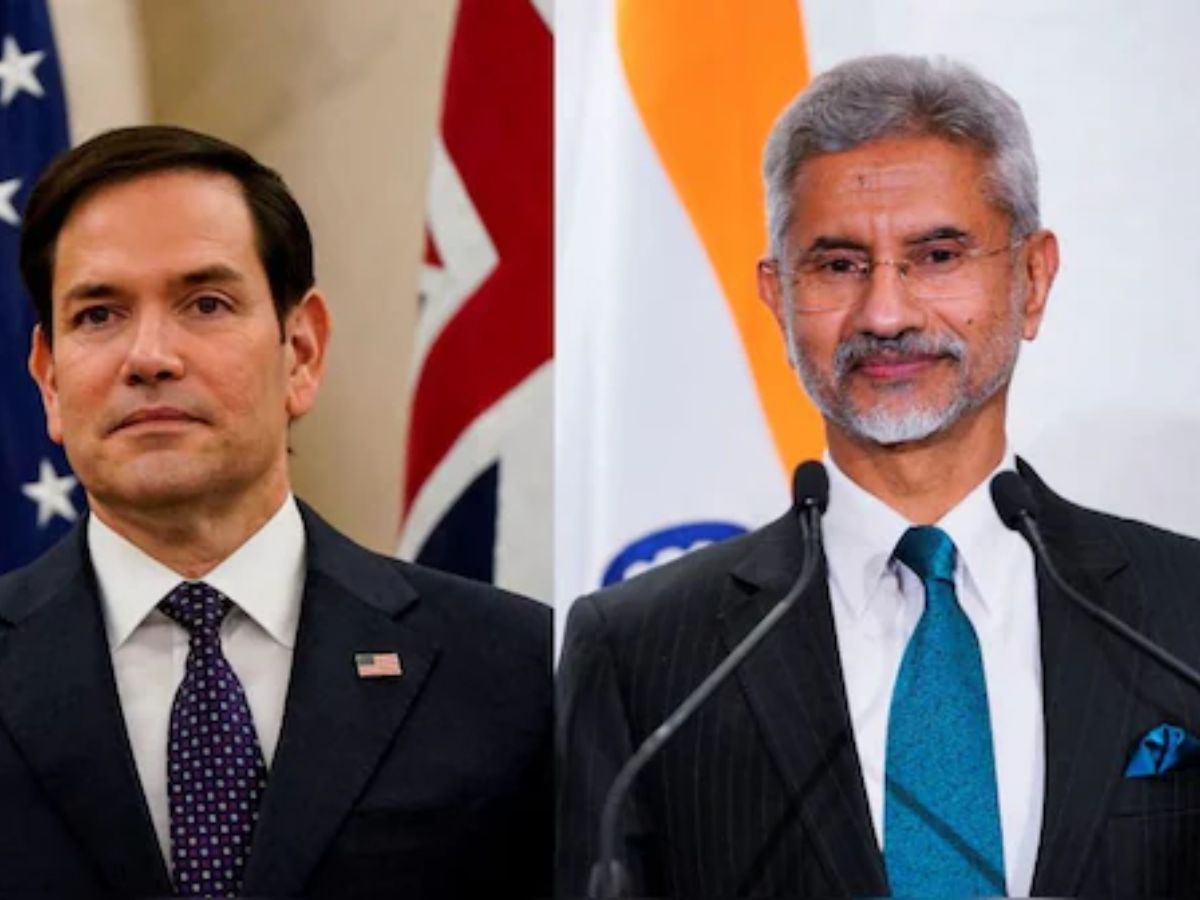
India’s External Affairs Minister S. Jaishankar met US Secretary of State Marco Rubio during the 80th UN General Assembly (UNGA). The meeting came at a difficult time, as both countries are dealing with trade disputes and a sharp hike in H-1B visa fees.
The leaders discussed ways to protect trade, increase investment, and keep strong ties between the people of both nations.
Talks During Tariff Disputes
This was their first meeting since US President Donald Trump raised tariffs on Indian goods. Trump imposed a 50% tax on imports, blaming India’s oil trade with Russia and what he called “unfair trade practices.”
#WATCH | New York: External Affairs Minister Dr S Jaishankar meets US Secretary of State Marco Rubio, on the sidelines of the 80th UN General Assembly (UNGA) session. pic.twitter.com/BPoTm5Udfi
— ANI (@ANI) September 22, 2025
The tariffs hurt Indian exports and caused worry among businesses. Both India and the US want to prevent these disputes from harming their long-term partnership. A strong commercial relationship is essential for both of them as well as the world economy, which depends on smooth cooperation between two important marketplaces.
ALSO READ: What is H-1B Visa? Eligibility, New Fee, Duration, & Exemptions | All You Need To Know
Steps Toward a Trade Deal
Just before UNGA, Indian and US officials met in New Delhi to work on a Bilateral Trade Agreement (BTA). After the talks, Commerce Minister Piyush Goyal said that the “bond between Prime Minister Narendra Modi and US President Donald Trump” will make sure problems are solved “satisfactorily.”
If the agreement is signed, it might ease tariff tensions, bring trade stability back, and attract more investment. The deal is seen by both governments as a means of restoring confidence and showing that disagreements can be resolved amicably rather than violently.
H-1B Visa Fee Hike Creates Worry
Another big topic was the H-1B visa program, which allows skilled workers such as engineers and IT professionals to work in the US Last week, Trump announced a new $100,000 annual fee for these visas.
The program is widely used by Indians, who receive almost 75% of H-1B visas each year. The new fee has created fear among workers and concern in India’s IT industry, which depends heavily on global talent. The Ministry of External Affairs (MEA) warned that the decision could have “humanitarian consequences.”
ALSO READ: Trump’s 100K USD H-1B Fee Rule Explained: What It Means for Indians Abroad
The White House later clarified that the fee increase will only apply to new applicants, not those already holding visas. But many students, workers, and companies are still worried about the future.
Future of Trade and Visa Talks
The Jaishankar-Rubio meeting shows that both countries want to keep talking despite disagreements. For India, protecting exports and securing fair visa rules is a priority. For the US, keeping good relations with India ensures access to a fast-growing market and a skilled workforce.
What happens next will not only shape India-US ties but could also affect the future of global trade and technology partnerships.
ALSO READ: H-1B Was Just the First Punch, The ‘HIRE Act’ Tax Threat Hanging Over Indian Tech ?