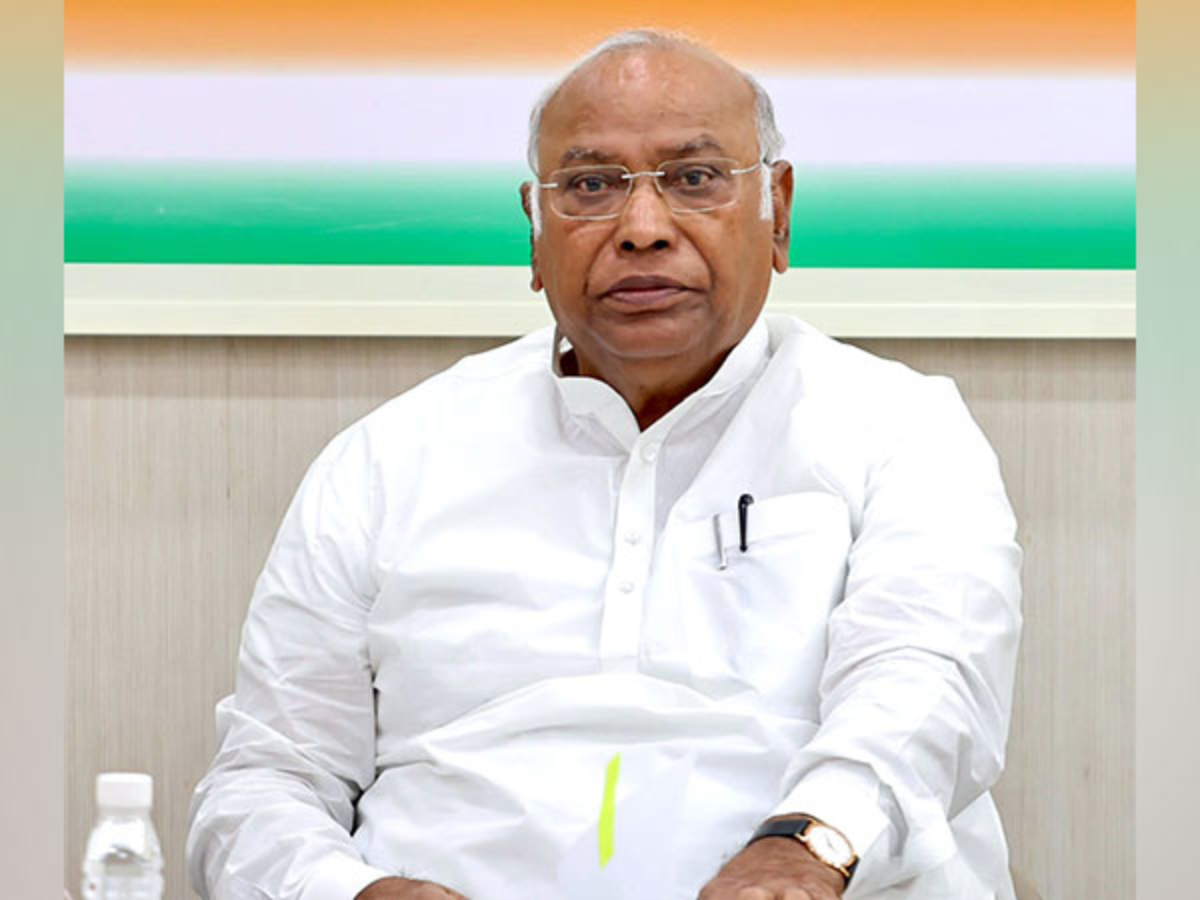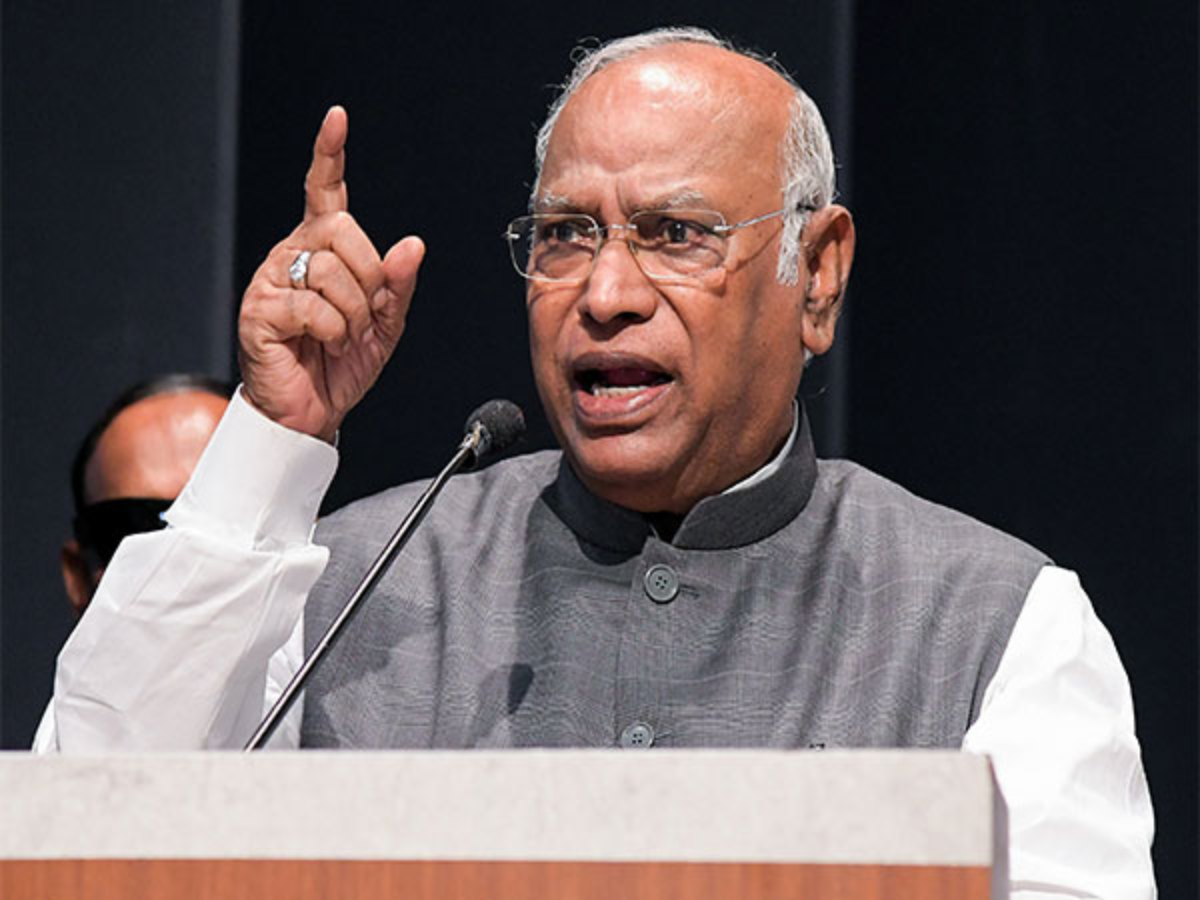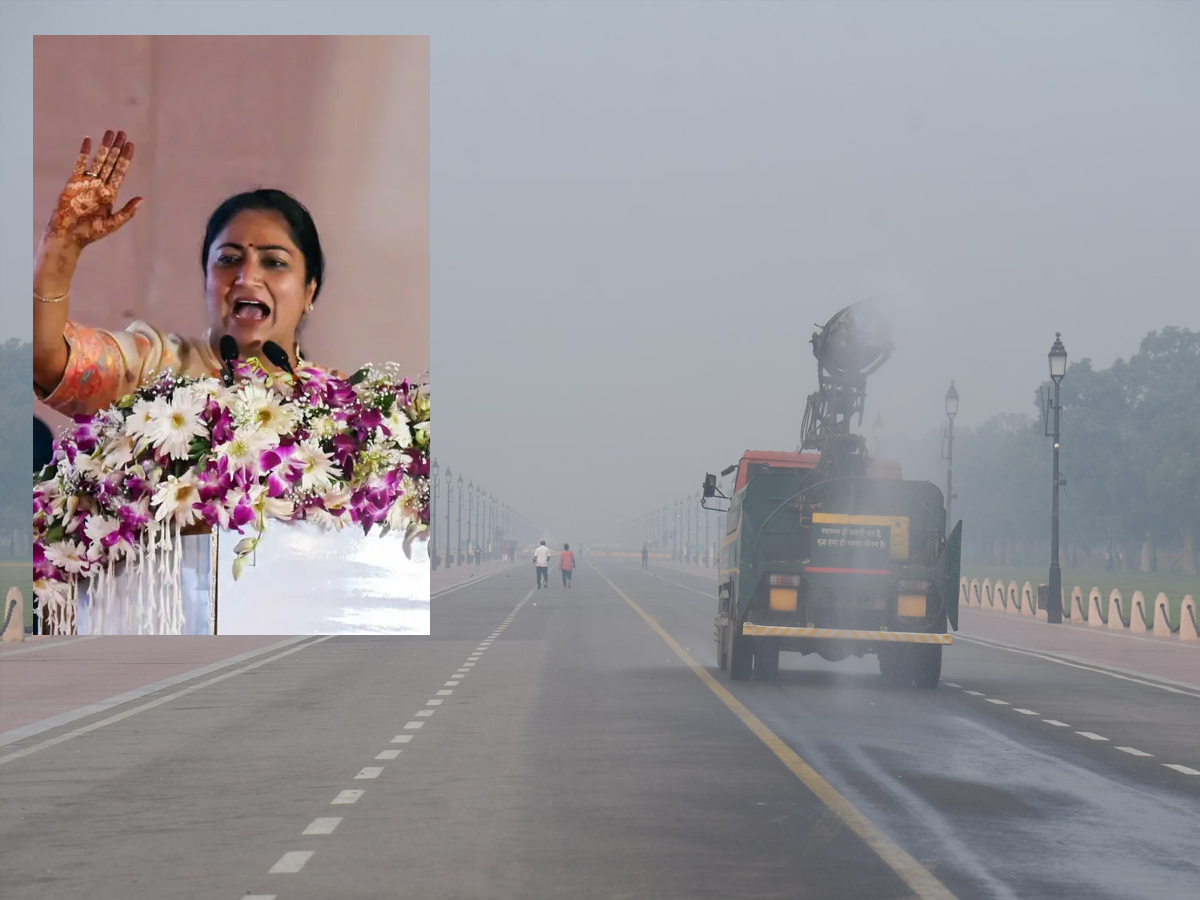
Delhi Chief Minister Rekha Gupta has said that cloud seeding is a necessity for the national capital amid rising air pollution after Diwali. On Friday, she emphasized that this would be the first experiment of its kind in Delhi.
“Cloud seeding is a necessity for Delhi and is the first experiment of its kind. We want to try it in Delhi to see if it can help us control this very serious environmental problem,” CM Gupta said, according to ANI.
She added that the blessings of Delhi residents are important for the government’s efforts.
“So the blessings of the people of Delhi are with the government, and we feel that this will be a successful experiment and in future, we will be able to overcome these environmental problems,” she said.
Delhi to Witness Artificial Rain on October 29
After testing cloud seeding in the Burari area of New Delhi, CM Gupta announced that artificial rain could arrive next week if weather conditions remain favorable.
“According to the weather department, cloudy conditions are expected on October 28, 29, and 30. If the weather remains favourable, Delhi is likely to witness its first artificial rain on October 29,” she posted on X.
#WATCH | Delhi CM Rekha Gupta says, “Cloud seeding is a necessity for Delhi and is the first experiment of its kind. We want to try it in Delhi to see if it can help us control this very serious environmental problem. So the blessings of the people of Delhi are with the… pic.twitter.com/odGavXxe64
— ANI (@ANI) October 24, 2025
She called the initiative technologically historic and said it represents a scientific approach to combat pollution in the capital.
“This initiative is not only technologically historic but also establishes a scientific approach to combatting pollution in Delhi. The government aims to clean the capital’s air and balance its environment through this innovation,” Gupta added.
Air Quality in Delhi Hits ‘Severe’ Category
Following Diwali, Delhi-NCR’s air quality worsened drastically, reaching the ‘severe’ category. The festival’s firecrackers, combined with vehicle and industrial emissions, caused a sharp spike in particulate matter.
Experts note that before Diwali, the air contained photochemical pollutants like ozone (O3) and carbon monoxide (CO). After the festival, particulate matter (PM10 and PM2.5) dominated the AQI, reflecting the surge from combustion-driven sources.
From October 20 onwards, the day of Diwali, ozone and carbon monoxide disappeared from the AQI charts, replaced by particulate matter.
This makes the need for cloud seeding and artificial rain more urgent, as particulate pollution poses severe health risks to residents.
Government Steps to Address Pollution
The Delhi government hopes cloud seeding and artificial rain can reduce particulate levels and improve air quality temporarily. CM Gupta stressed that this is part of a broader scientific and technological approach to tackling pollution in the capital.
If successful, the initiative may become a model for other Indian cities struggling with post-festival air pollution and seasonal smog.