
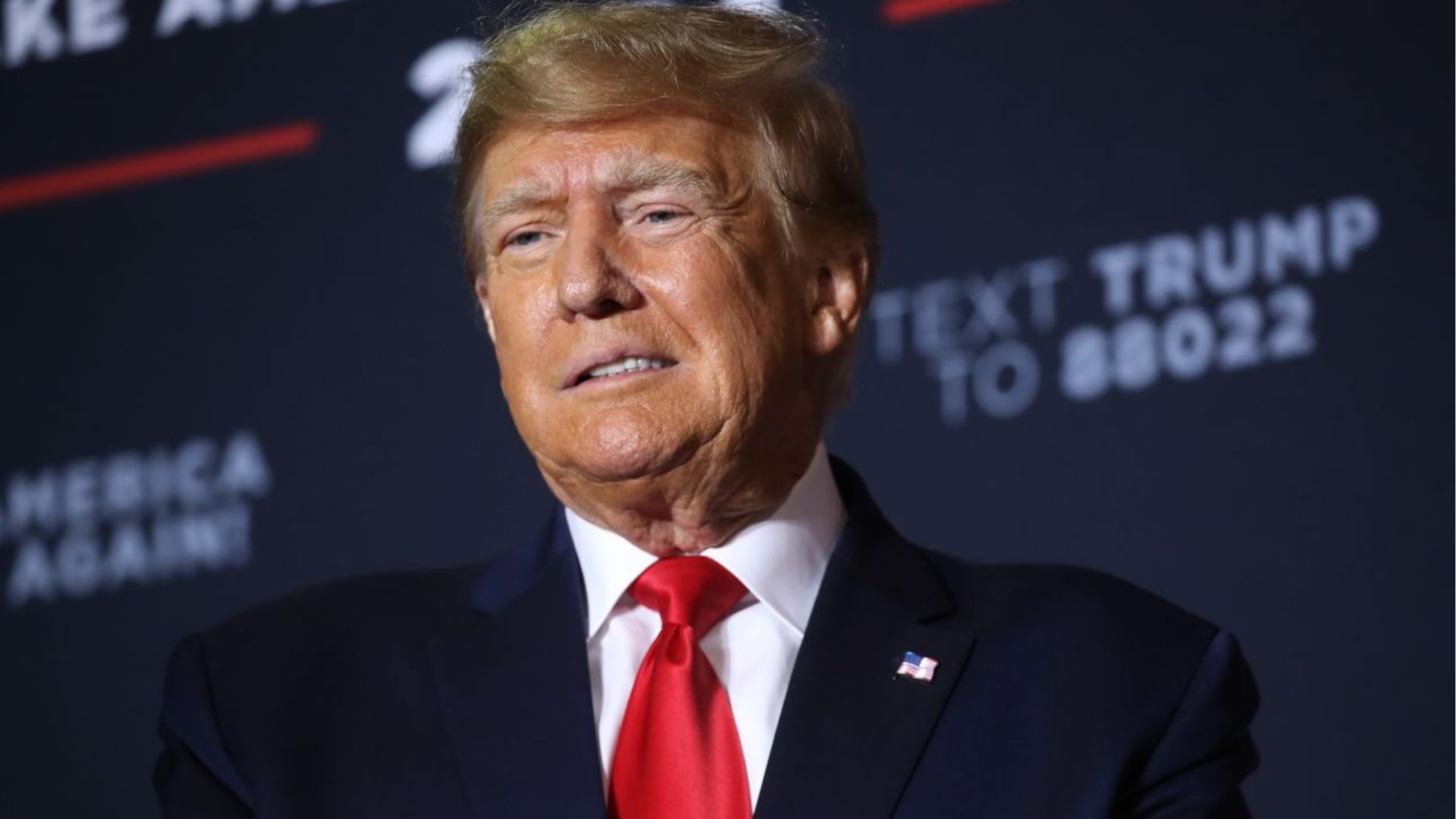
U.S. President Donald Trump has threatened to raise tariffs on Indian exports. His reason? India’s continued purchase of discounted Russian oil. Trump accuses India of “profiteering” from Russia’s war by buying crude and selling refined products for “big profits.” He warned, “I will be substantially raising the Tariff paid by India to the USA.”
But India Isn’t Changing Its Mind
India Slams Trump’s Tariff Threats Over Russian Oil Trade
India has strongly responded to former US President Donald Trump’s threat to sharply increase tariffs on Indian goods over its continued oil imports from Russia.
In a firm statement, the Indian government said its energy imports were based on “market necessity,” and noted that the US had “actively encouraged” Indian purchases of Russian crude when traditional suppliers shifted oil to Europe after the Ukraine war began.
The Ministry of External Affairs called out both the US and EU’s “unjustified and unreasonable” criticism, stating these same countries continue to trade with Russia in various sectors. It cited:
-
EU’s €67.5 billion trade in goods with Russia in 2024, along with €17.2 billion in services.
-
Record 16.5 million tonnes of LNG imported by Europe this year.
-
US imports of uranium, palladium, fertilisers, and chemicals from Russia.
India defended its decision, saying it will “take all necessary steps to safeguard national interest and economic security.”
Trump recently said on Truth Social that he would “substantially raise” tariffs on India, and warned of up to 100% tariffs on countries still buying Russian oil unless a ceasefire is reached by August 7–9. A 25% import duty on Indian goods is already set to begin on August 7.
India shifted to Russian oil in 2022 after Moscow began offering deep discounts amid Western sanctions.
Why India Chooses Russian Oil
After the West sanctioned Russia in 2022, Moscow slashed oil prices to attract new buyers. India saw an opportunity. Now, it imports around 1.7 million barrels of Russian crude every day, according to Bloomberg. Indian refiners use that crude to produce fuels like diesel and jet fuel—then export those fuels. Nearly 40% goes to Europe. So, Indian consumers benefit from lower fuel prices, and Europe indirectly benefits too.
Also Read: Trump Claims Drug Price Cuts of Up to 1,500%, Experts Call It Impossible
Trump’s Pressure Tactics
Trump claims India is helping fund Russia’s war effort. He recently imposed a 25% tariff on Indian goods and hinted that he might increase it to 100% unless India stops importing Russian oil. He also set August 7 as a ceasefire deadline for Russia. If there’s no ceasefire, he warned of secondary sanctions on countries like India, Brazil, and China that keep trading with Moscow.
India Pushes Back
India’s Ministry of External Affairs strongly rejected Trump’s threats. In a statement, it said: “The targeting of India is unjustified and unreasonable. Like any major economy, India will take all necessary measures to safeguard its national interests and economic security.”
India also reminded the world that Western countries themselves trade with Russia, even without any pressing national need. Energy Minister Hardeep Singh Puri added that Washington advised India to continue buying Russian oil but within the price cap.
What India Plans Next
India has no plans to cut Russian oil imports. In fact, just last weekend, four oil tankers arrived at Indian ports carrying Russian crude. Meanwhile, NSA Ajit Doval is heading to Moscow to hold high-level talks. The government calls it a strategic move to manage what they describe as a “geo-economic trilemma”: balancing cheap oil, foreign pressure, and security interests.
Business Experts Disagree with Trump
India’s Global Trade Research Initiative (GTRI) defended the oil trade. It said, “India’s oil trade with Russia has taken place with full transparency and broad understanding with the US.”
It added that Trump’s tariff threats ignore market realities, twist trade data, and harm U.S.–India strategic relations.
What Else Is Bothering Trump?
Trump isn’t only angry about oil. He also criticized India’s role in BRICS, especially its support for reducing reliance on the U.S. dollar. He called India’s trade barriers “obnoxious” and demanded that New Delhi open its market to U.S. agriculture and dairy.
But India isn’t giving in. Officials say India won’t allow genetically modified corn or soybeans, and it will not ease tariffs on dairy products—despite repeated U.S. pressure.
Can India Diversify?
If needed, India can import oil from Iraq, Saudi Arabia, the UAE, or even the U.S. Recently, India’s biggest refiner bought extra barrels from the U.S. and UAE. Analysts say this is a precaution, not a policy change. India also discussed buying American LNG, fertiliser, and defence gear to balance trade. But New Delhi is firm on protecting sensitive sectors, especially agriculture.
From Allies to Opponents
Trump and PM Modi were once considered allies. But their relationship has cooled.
In the past, Trump:
-
Threatened to block Indian access to U.S. markets over India–Pakistan tensions
-
Took credit for peace efforts India never confirmed
-
Accused India of “freeloading” in trade and defence
Now, Trump’s threats over oil and trade are adding more strain.
India’s Bottom Line
Despite the pressure, India won’t budge. As one Indian official said, “We are guided by what’s best for Indian consumers, not what’s best for Washington politics.” And that one line sums up India’s position in this entire episode.
Key Takeaways:
-
India won’t stop buying Russian oil just because Trump threatens tariffs.
-
Cheaper Russian crude helps Indian consumers and supports export income.
-
Officials say India will act in its own economic interest, not bow to U.S. politics.
-
Strategic talks are underway, but no policy shift is expected.