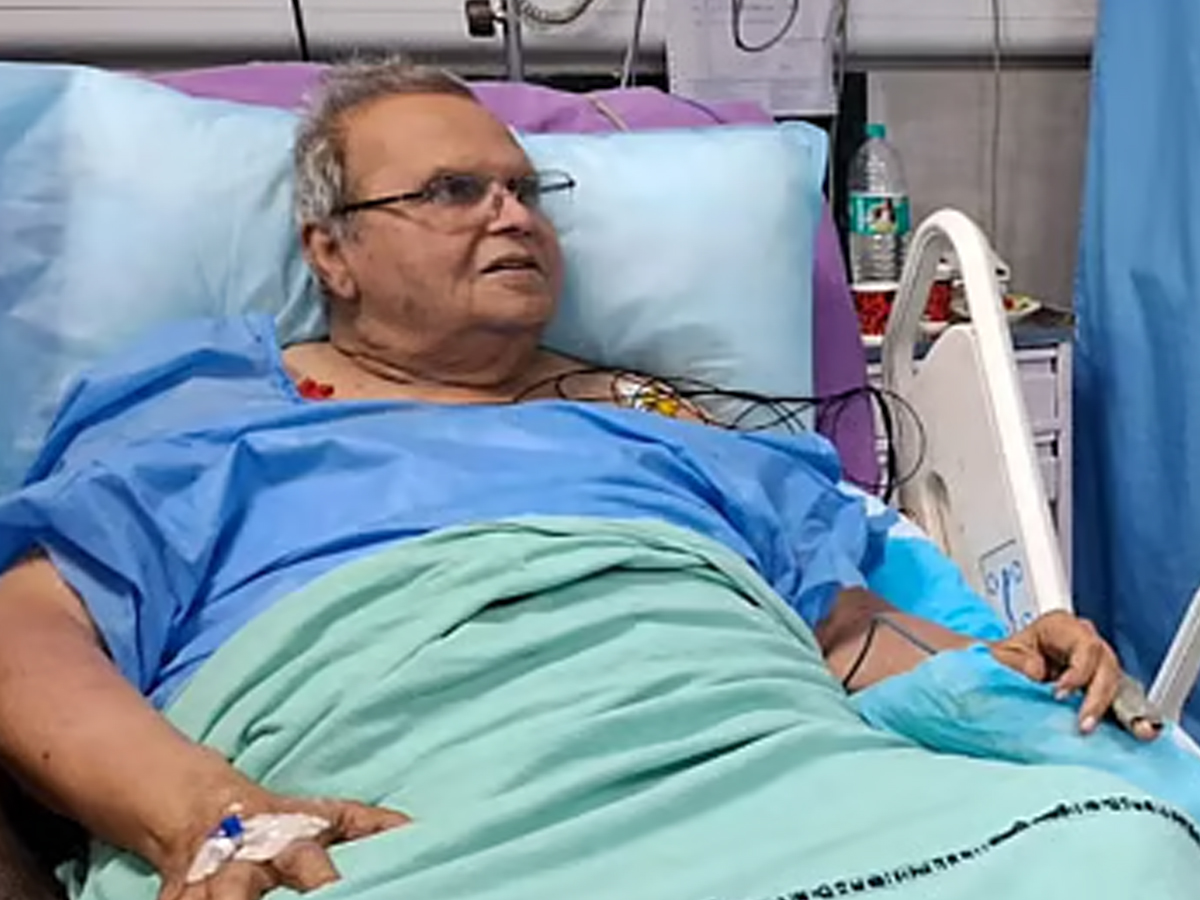
Former Jammu and Kashmir Governor Satya Pal Malik passed away on Tuesday, August 5, coinciding with the sixth anniversary of the abrogation of Article 370, a move that took place under his governorship in 2019. His death on the very day that marked one of India’s most politically significant decisions has added symbolic weight to his departure.
Malik, 77, had served as the last Governor of the erstwhile state of Jammu and Kashmir before its bifurcation into two Union Territories. He then served as governor of Goa and Meghalaya after his time in J&K, although his contentious time there shaped much of his legacy.
From Village Roots to Parliament
Malik was born into a Jat family in the Hisawada hamlet of Baghpat, Uttar Pradesh, and his journey started modestly. His political career started at Meerut University, where he earned his B.Sc. and LLB degrees. As the president of the Meerut College Students Union and then the university’s union, which is now Choudhary Charan Singh University, he became a well-known student leader.
ALSO READ: Former J&K Governor Satyapal Malik Dies at 79 in Delhi
A staunch follower of Dr Ram Manohar Lohia’s socialist ideology, Malik started his political career in 1965-66 and became an MLA from Baghpat with Charan Singh’s Bharatiya Kranti Dal. He later joined the Bharatiya Lok Dal and rose to the post of general secretary.
A Political Career Across Parties
Malik was involved with multiple political parties. He co-founded Jan Morcha with VP Singh, joined the Rajya Sabha in 1980, briefly joined the Congress in 1984, and resigned in 1987 due to the Bofors scandal. He served as Minister of State for Parliamentary Affairs and Tourism after being elected as a Janata Dal candidate from Aligarh to the Lok Sabha in 1989.
In 2004, he joined the Bharatiya Janata Party (BJP) and became its National Vice President before being appointed a Governor.
Controversies and Corruption Allegations
Malik was no stranger to controversy. As Governor, he often made headlines for bold statements, but he also found himself at the centre of a graft probe. In May, the CBI filed a chargesheet against seven individuals, including Malik, in connection with a hydel project corruption case in J&K’s Kishtwar district.
Ironically, Malik himself had flagged the case.
“One of the secretaries told me that these are shady deals, but he can get ₹150 crore each. I told him that I had come to J&K with five kurta-pajamas and would leave with that,” he had said at an event in Rajasthan in 2021.
The Fax Controversy of 2018
One of the most memorable episodes of Malik’s governorship was the “fax controversy” in November 2018. PDP leader Mehbooba Mufti claimed to have sent a fax stating a claim to form the government in alliance with the Congress and the National Conference, but Malik ordered the dissolution of the Assembly on a state holiday, stating his office never received the fax.
“It was a holiday in the state on the occasion of Eid-e-Milad,” Malik said while defending his move, which drew heavy criticism.
A Legacy Wrapped in Irony
That Malik died on the anniversary of Article 370’s revocation — a decision closely tied to his tenure — underscores the symbolic close of a chapter in Indian politics. His life was a blend of principled stands, party shifts, and controversial exits. As India debates the lasting impact of Article 370, Satya Pal Malik’s name will remain inseparable from that historic decision and the events surrounding it.