
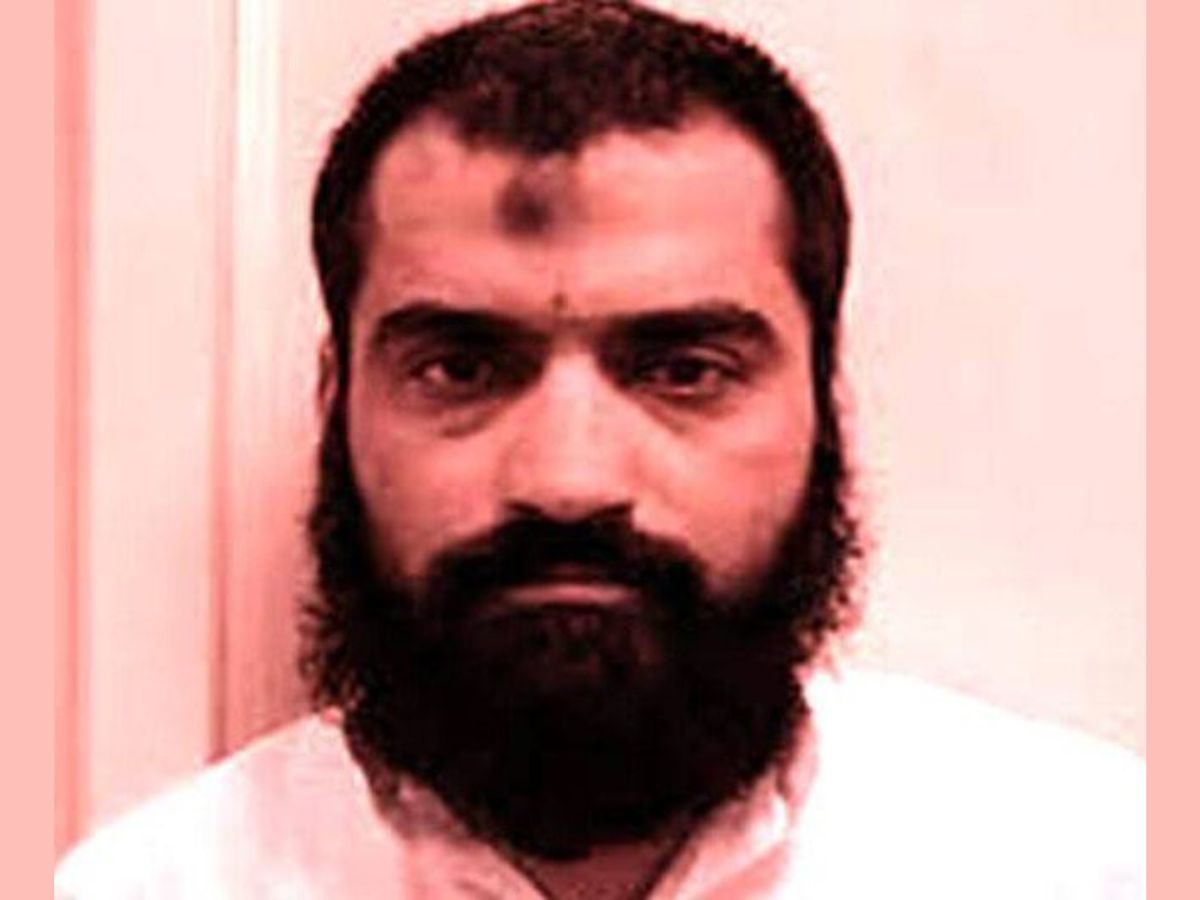
The Bombay High Court cleared the way for the trial of 26/11 Mumbai terror attack accused Syed Zabiuddin, Sayed Zakiuddin Ansari, also known as Abu Jundal, by quashing a 2018 order that had directed the Delhi Police to submit the travel documents of officers who allegedly brought him back from Saudi Arabia.
The 2018 directive from a Mumbai sessions court had halted the proceedings for over six years after the Delhi Police, the Ministry of External Affairs (MEA), and the Ministry of Civil Aviation challenged the order, citing national security and diplomatic privilege. With the High Court setting aside that order, Abu Jundal’s long-pending trial is expected to resume soon.
Abu Jundal alias Ansari, who is currently lodged in Arthur Road Jail as an undertrial, was first arrested in 2012 for his alleged role in the 26/11 Mumbai attacks. The prosecution claims that he taught Hindi to terrorist Mohammed Ajmal Kasab and coordinated the attacks from a control room in Karachi. The 26/11 attacks, carried out by Lashkar-e-Taiba (LeT) terrorists, killed 175 people and injured more than 300 others in Mumbai.
Who is Abu Jundal?
Sayed Zabiuddin Ansari, also known as Abu Hamza or Abu Jundal (born 30 November 1980), is an Indian Islamic militant associated with Indian Mujahideen and Lashkar-e-Taiba. His name appeared on the list of “50 most wanted criminals sheltered in Pakistan” released by the Indian government on May 21, 2011. He served as one of the handlers of the 10 LeT terrorists responsible for executing the 2008 Mumbai attacks.
He was also a suspect in several terror cases, including the Kalupur station blast (2006) and the 2010 Pune bombing case.
Abu Jundal was deported from Saudi Arabia on June 25, 2012, and handed over to Indian security agencies. On August 2, 2016, a special MCOCA court sentenced him to life imprisonment in connection with the Aurangabad arms haul case.
Abu Jundal Early Life
Zabiuddin Ansari alias Abu Jundal was born on November 30, 1980, in Hathi Khana mohalla, Georai area of Beed district, He studied in Urdu medium up to Class X in Georai and later attended the Industrial Training Institute (ITI) in Beed.
Abu Jundal’s Criminal Record
In 2003, he was arrested in Maharashtra for stabbing and attempting to immolate a woman over a family dispute. Although he was released on bail, he skipped court hearings and went underground, eventually joining extremist networks.
Abu Jundal’s Family
Abu Jundal’s father, Syed Zakiuddin worked as an insurance agent. He has three sisters.
Abu Jundal Wife
Abu Jundal married a Pakistani woman in 2009 and has one son who lives in Pakistan.
Abu Jundal’s Fraudulent Passport
The Pakistani passport used by Abu Jundal identified him as a resident of Sheikhpura in Punjab province, Pakistan, confirming his cross-border connections.
Where is Abu Jundal now?
Abu Jundal alias Ansari is currently lodged in Arthur Road Jail.
Abu Jundal Connection to the 26/11 Mumbai Attacks
Zabiuddin Ansari alias Abu Jundal played a key operational role in the 2008 Mumbai terror attacks, serving as a Hindi tutor and handler for the 10 LeT terrorists. He was reportedly present in the Karachi control room from where the terrorists received instructions during the attacks. After his arrest, Zabiuddin revealed that LeT chief Hafiz Saeed, along with ISI and Pakistani army officials, was involved in planning the attacks.
He also claimed that the group celebrated the massacre and that the ISI later destroyed the control room to erase evidence. Originally, the coordinated attacks were planned for 2006, using Indian recruits. However, after the Aurangabad arms seizure disrupted the plan, LeT recruited Pakistani nationals for the final operation. The attackers finally executed their mission in November 2008, leading to one of the deadliest terror attacks in India’s history.
Abu Jundal Arrest in 26/11 Mumbai Attacks
Indian intelligence agencies had been tracking Jundal for over three years. A lead from a 2010 Jama Masjid blast suspect revealed his presence in Saudi Arabia. Western intelligence agencies detected online activity linked to his alias “Kaasif”, prompting Saudi authorities to detain and deport him to India. Security experts believe his arrest was even more significant than Ajmal Kasab’s, as Jundal was among the six main planners of the Mumbai attacks and could provide critical insights into Pakistan’s involvement.
Current Status of Abu Jundal Case Linked to 26/11 Mumbai Attacks
With the Bombay High Court now lifting the 2018 procedural hurdle, Abu Jundal’s trial in the 26/11 case is finally set to resume after years of delay. The court’s decision marks an important step toward justice for the victims of the Mumbai terror attacks.
Disclaimer: The information provided in this article is based on publicly available records, court documents, and media reports. It is intended for informational purposes only.