
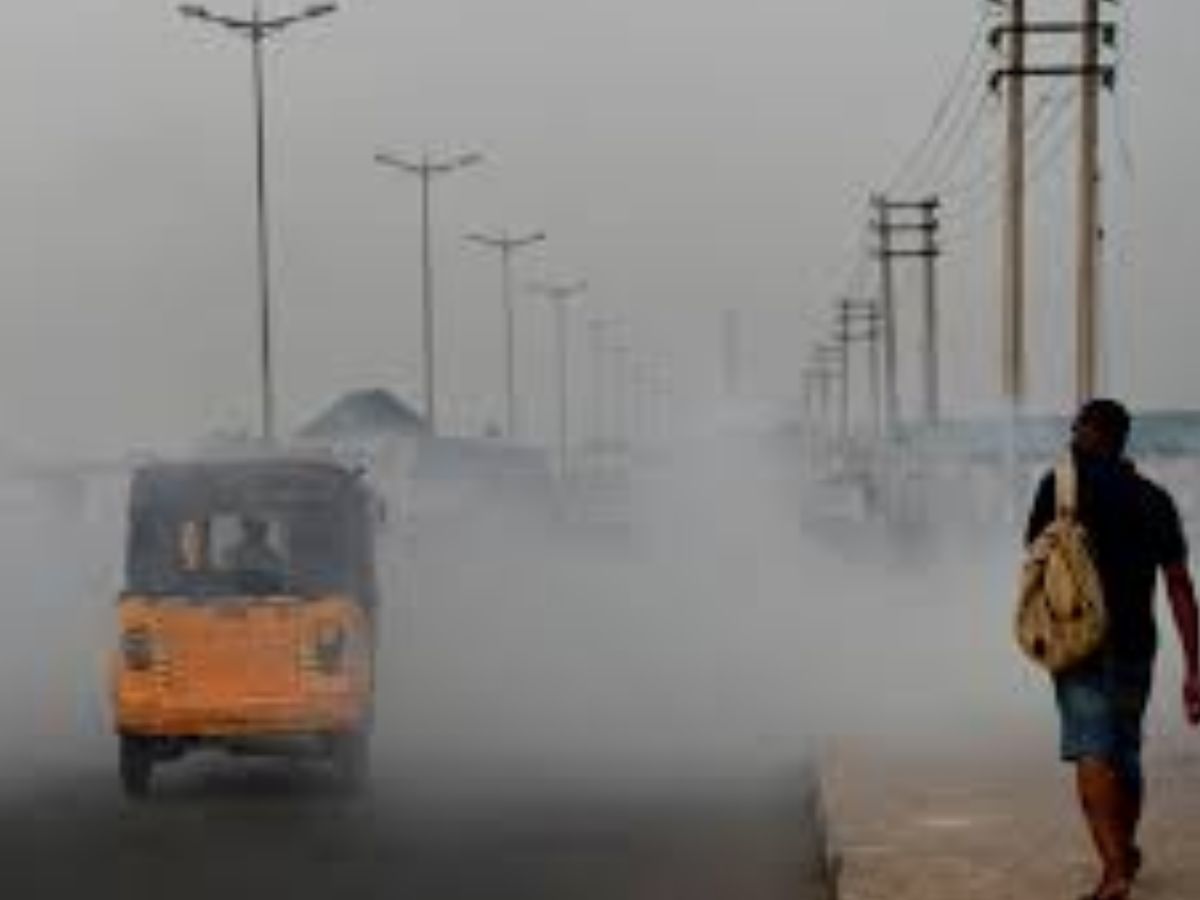
As the Diwali celebrations has been approaching to end, the country faces a grim reminder of its pollution at its height. Haryana’s Dharuhera recorded the worst air quality in India on October 22, with an AQI of 393 at 7:10 AM, according to data from the Central Pollution Control Board (CPCB). Delhi is not leding in pollution charts this time. Dharuhera surpassed the national capital, topping the list of India’s most polluted cities.
Cities Continue to Choke Under ‘Very Poor’ Air Quality
Two days after Diwali, air quality across several cities remained “very poor”, with pollutants still lingering in the atmosphere. Dharuhera narrowly missed the ‘severe’ category, falling short by just 7 points. Meanwhile, Delhi entered the ‘severe’ zone on Diwali night as PM10 and PM2.5 levels the main particulate pollutants peaked at 675, according to PTI reports.
What Do the AQI Levels Mean?
As per Central Pollution Control Board classification:
-
AQI 201–300 is considered “poor”,
-
AQI 301–400 falls under “very poor”, and
-
AQI above 401 is labeled “severe” on the 500-point index.
Delhi’s Toxic Air Continues
By 2:30 PM on October 22, Delhi’s average AQI stood at 342, placing it firmly in the “very poor” category. Monitoring stations at Punjabi Bagh (416) and Nehru Nagar (401) reported the worst pollution levels in the city.
Residents woke up to thick smog and dark skies, forcing many indoors as the capital continued to battle hazardous post-Diwali air. Experts say only heavy rainfall can bring meaningful relief in the coming days.
Top Polluted Cities in India (as of October 22, 2025)
| Rank | City | AQI Level | Category |
|---|---|---|---|
| 1 | Dharuhera (Haryana) | 393 | Very Poor |
| 2 | Jind (Haryana) | 386 | Very Poor |
| 3 | Narnaul (Haryana) | 370 | Very Poor |
| 4 | Charkhi Dadri (Haryana) | 364 | Very Poor |
| 5 | Rohtak (Haryana) | 350 | Very Poor |
| 6 | Delhi & Yamuna Nagar | 345 | Very Poor |
| 7 | Bhiwadi (Rajasthan) | 332 | Very Poor |
| 8 | Gorakhpur (UP) | 330 | Very Poor |
| 9 | Sirsa (Haryana) | 330 | Very Poor |
| 10 | Gurugram (Haryana) | 311 | Very Poor |
Political Blame Game Over Pollution
As air quality worsened in Delhi, political blame resurfaced. The BJP-led central government blamed AAP for stubble burning in Punjab, holding it responsible for the capital’s choking smog. However, experts maintain that firecrackers, stagnant winds, and vehicles emissions also contribute significantly to post-Diwali pollution.
Also Read: Delhi Wakes Up to Thick Smog, AQI Hits 347 After Night of Firecrackers