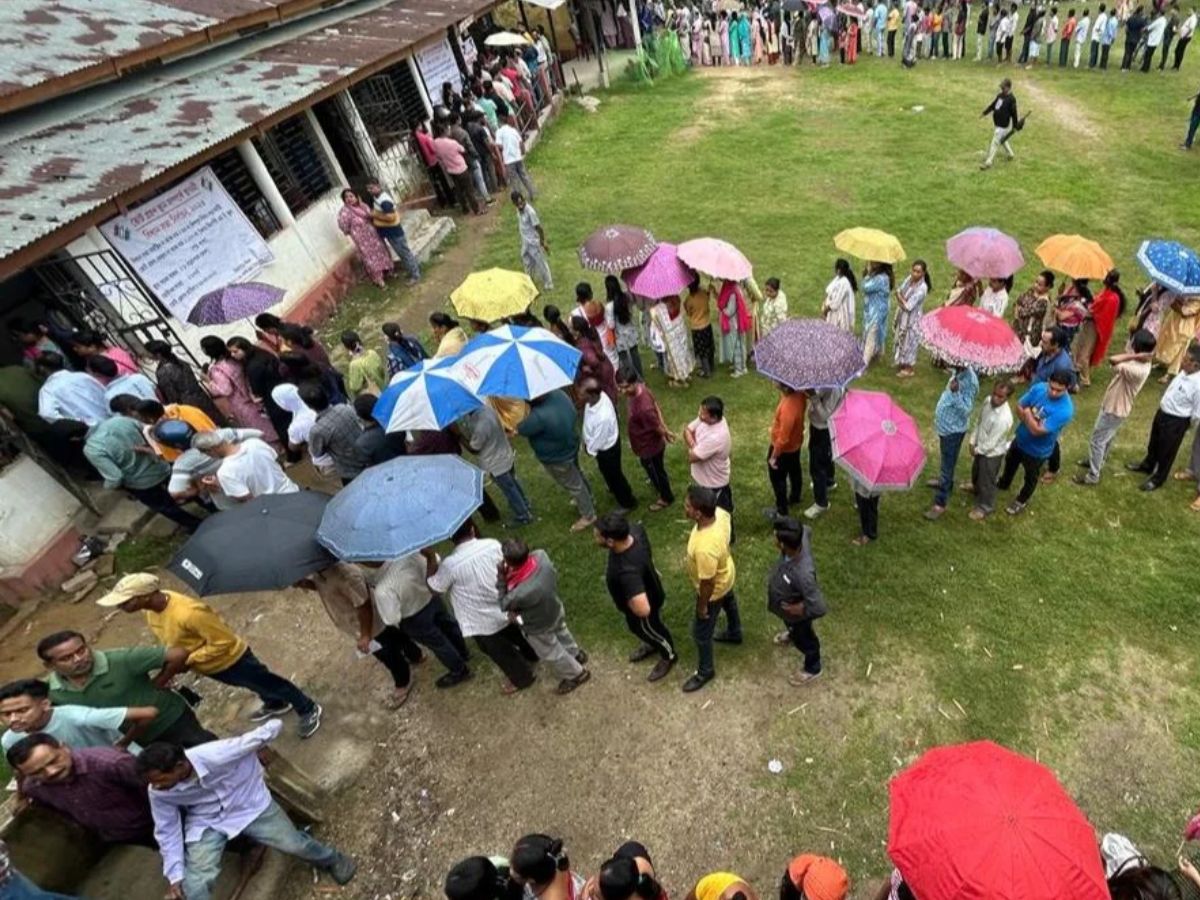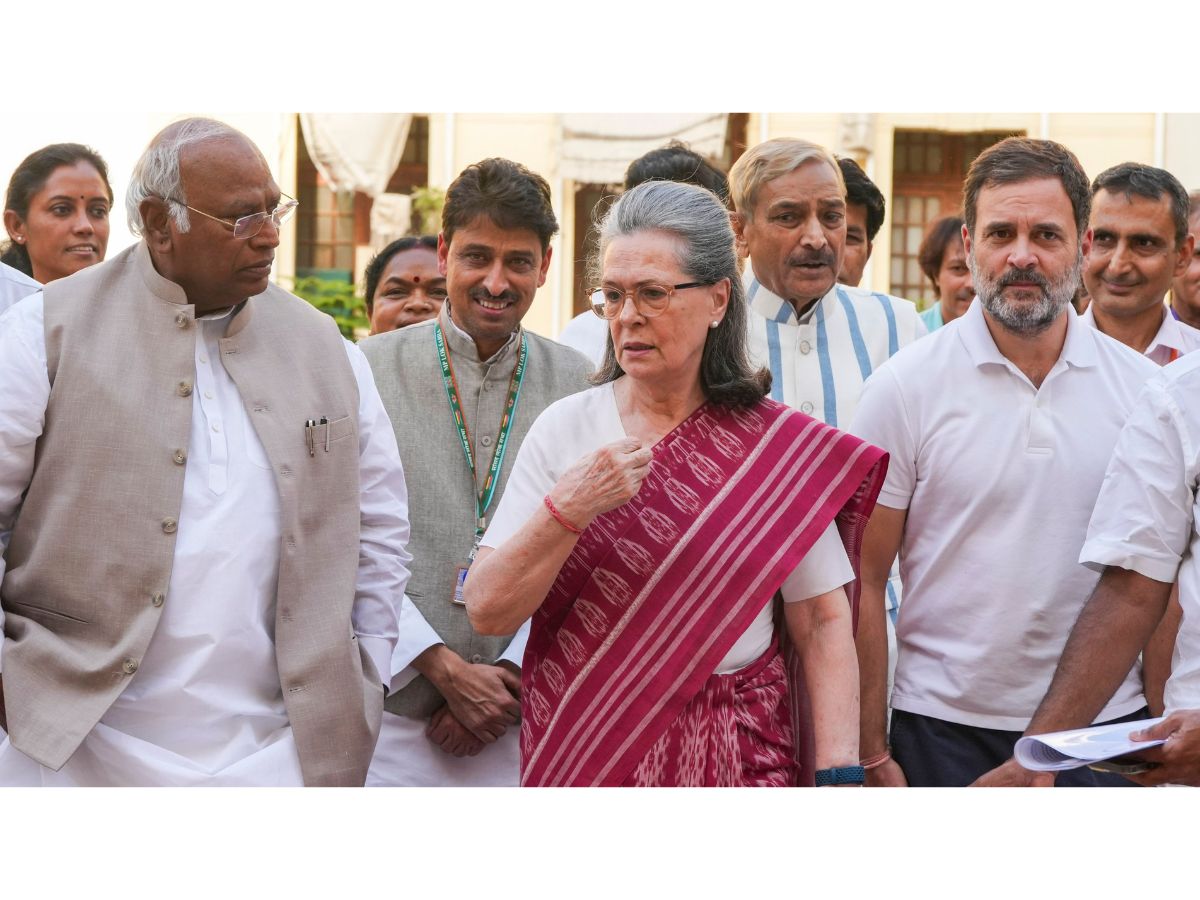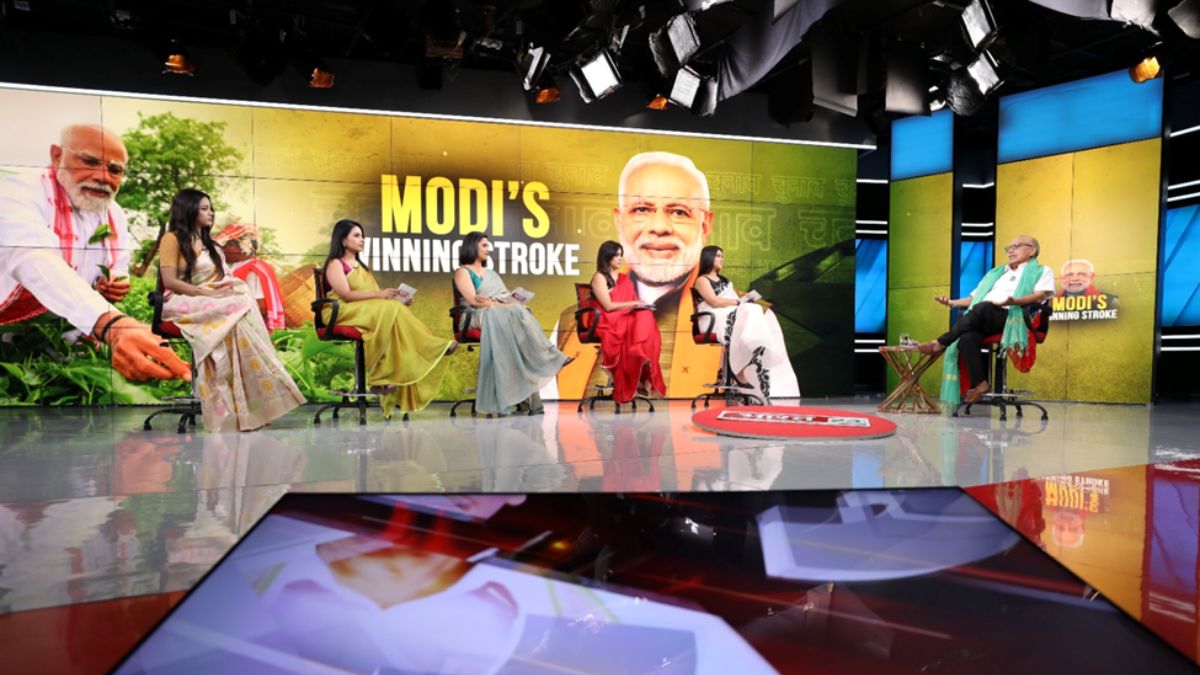
There is a frequent question which is generally asked in the political landscape of India about the age and eligibility criteria for holding Prime minister’s office which often spark public debates: What is the age limit to become the Prime Minister of India? Surprisingly, the Indian Constitution does not specify an upper age limit for the Prime Minister’s post. Instead, only basic eligibility conditions apply, creating a wide scope for political leaders of various ages to hold office.
Constitutional Eligibility Criteria for Prime Minister
According to Article 75 of the Indian Constitution, the Prime Minister must be a member of either the Lok Sabha (House of the People) or the Rajya Sabha (Council of States). To contest elections for the Lok Sabha or Rajya Sabha, a candidate must be at least 25 years old for Lok Sabha and 30 years old for Rajya Sabha. Beyond this, there is no upper age restriction.
This provision allows political leaders of advanced age to continue serving in public office as long as they win the support of the electorate or their party. The focus is primarily on democratic legitimacy, performance, and leadership capability rather than age alone.
Global Perspective on Age Limits in Politics
Globally, countries vary in setting age limits for top political offices. For example, the United States requires a minimum age of 35 for the presidency, with no upper age limit. France imposes no upper limit either. However, some nations, particularly in Europe, debate introducing age caps to encourage generational leadership shifts.
In India, the absence of an upper age limit reflects the belief that experience and political wisdom are valuable assets. Nevertheless, critics argue that advanced age may lead to health concerns or disconnect from contemporary challenges.
PM Modi’s Age and Political Journey
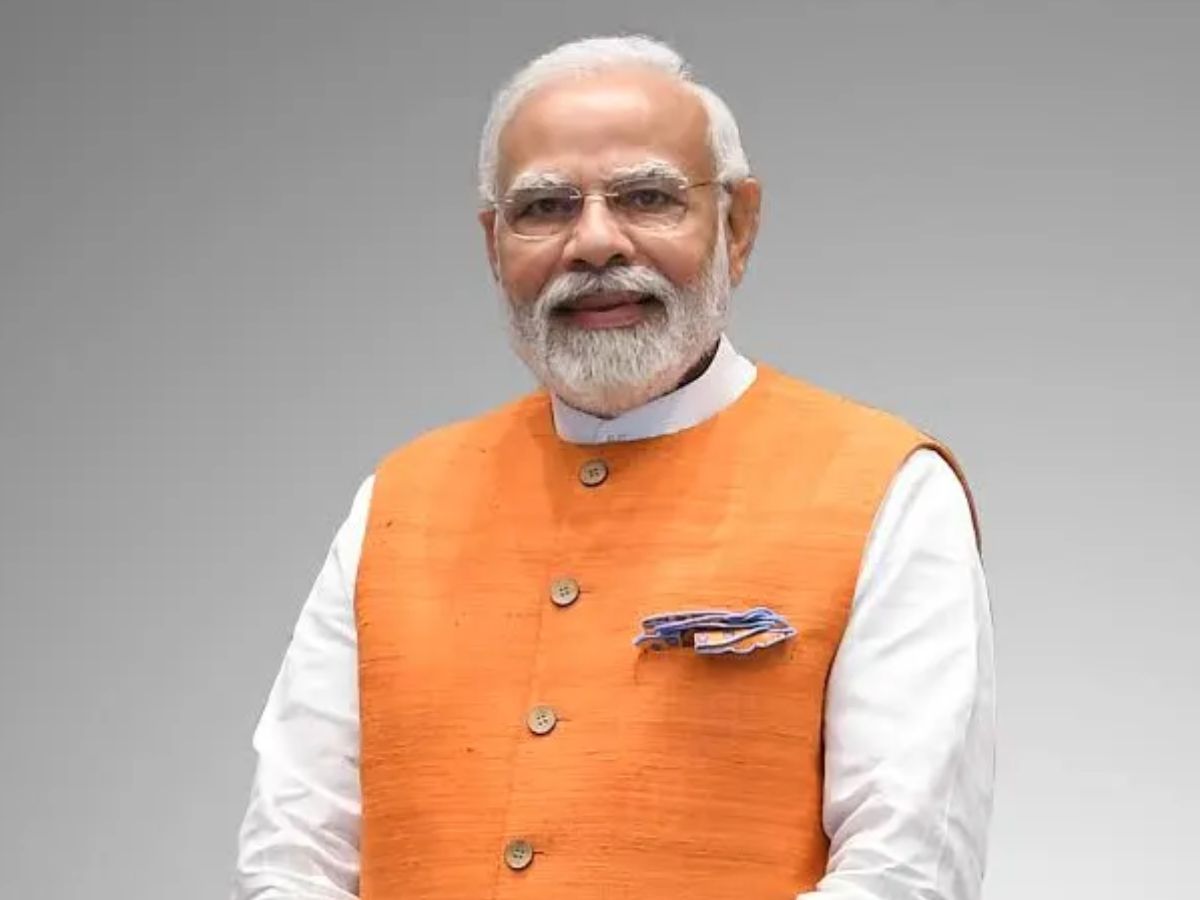
Prime Minister Narendra Modi, currently 76 years old, exemplifies how age and experience can play a vital role in leadership. From his modest beginnings as a tea seller in Vadnagar, Gujarat, to becoming the 14th Prime Minister of India, Modi’s political career spans several decades.
Elected as Prime Minister first in 2014 and re-elected in 2019, Modi has focused on major reforms such as GST implementation, Digital India, Swachh Bharat Mission, and Atmanirbhar Bharat (Self-reliant India). His governance style is marked by strong nationalism, economic development, and decisive policymaking.
Modi’s age is often discussed in political circles, especially in the context of succession planning and leadership renewal within his party. However, his supporters argue that his decades of political experience offer stability and continuity in governance. As he continues to serve beyond the typical retirement age seen in other professions, Modi’s tenure raises a broader question of balancing experience with generational change in politics.
The Debate on Age and Leadership
There is a growing public discourse around whether there should be a maximum age limit for holding the position of Prime Minister. Proponents of age limits argue that younger leaders can better understand evolving challenges like technology, climate change, and youth employment.
Opponents believe that leadership capability cannot be judged by age alone. They argue that political wisdom, crisis management, and diplomatic skills often come from years of public service and experience. A notable perspective shared by political analysts is that instead of setting arbitrary age limits, democratic elections and party processes should naturally decide who leads, ensuring accountability and competence.
The Road Ahead: What Next for Indian Politics?
As India heads toward future elections, the age factor will continue to be a point of discussion. With rising youth participation in politics and increased demands for generational change, political parties may face pressure to promote younger leaders. However, the current system allows voters to decide whether to support experienced politicians like Narendra Modi or opt for fresh faces. This debate highlights a fundamental principle of democracy: eligibility is determined by merit, public support, and the electoral process rather than rigid age rules.