Recent child deaths in Madhya Pradesh and Rajasthan have renewed concerns about cough syrup safety in India. Although initial fears linked the deaths to toxic chemicals like Diethylene Glycol (DEG) and Ethylene Glycol (EG), tests by national and state health authorities have not found these substances.
The incidents have raised awareness about potential dangers in medicines for children and the need for cautious use.
What Are DEG and EG?
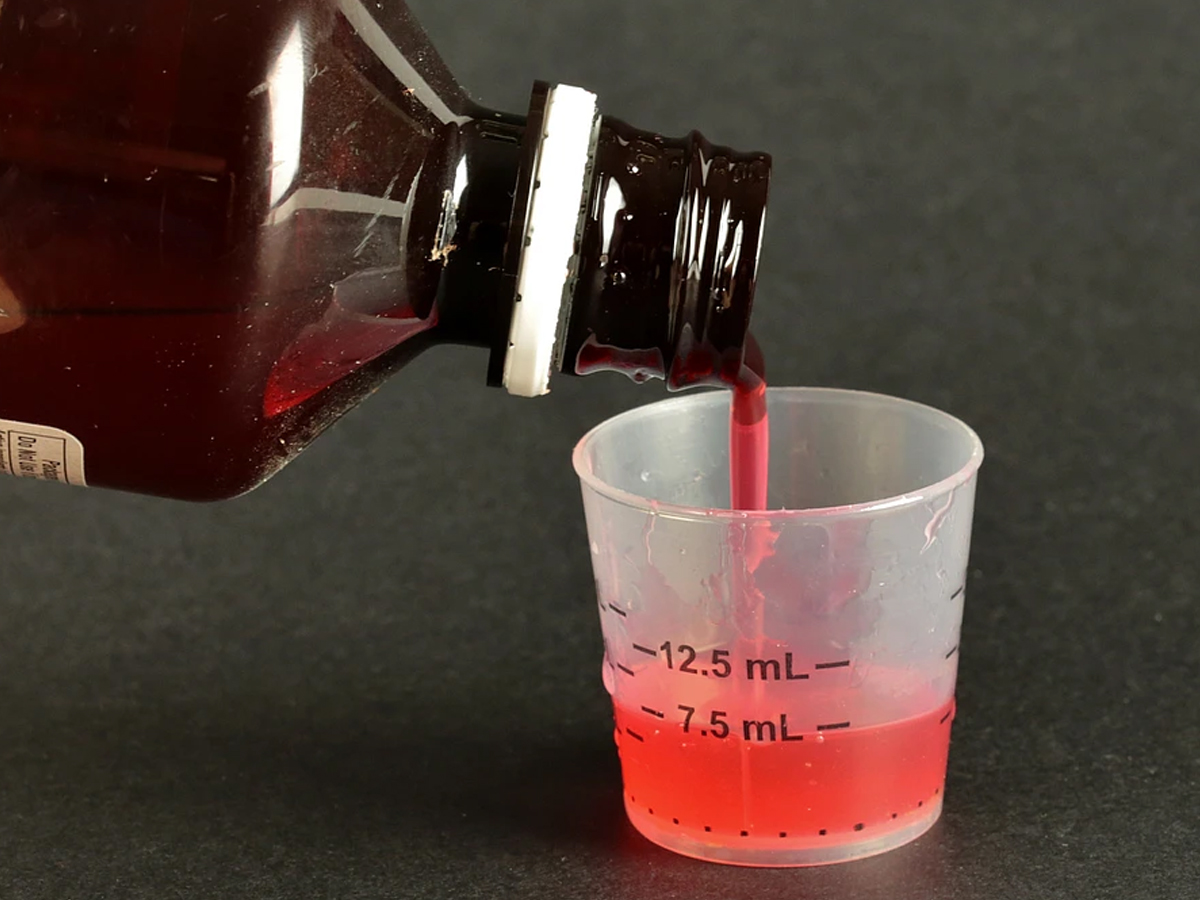
Diethylene Glycol (DEG) and Ethylene Glycol (EG) are industrial chemicals used in brake fluids, antifreeze, paints, plastics, and other products. They are cheap, colorless liquids that can be mistakenly or illegally used in medicines as a substitute for propylene glycol, a safe solvent that dissolves drugs into liquid form.
While propylene glycol is safe in regulated doses, DEG and EG are highly toxic. Even small amounts can cause severe poisoning, especially in children.
Why Are DEG and EG Dangerous?
Both DEG and EG can harm the kidneys, liver, and nervous system. Children are particularly vulnerable because their organs are still developing and their body weight is low. Symptoms of poisoning include nausea, vomiting, and abdominal pain. These can quickly worsen into kidney failure, seizures, and even death if untreated.
Past incidents worldwide, including in India, Gambia, and Indonesia, show that contaminated cough syrups with DEG or EG can cause mass poisoning among children.
Are DEG and EG Ever Used in Medicines?
DEG and EG are not meant for use in medicines. Contamination usually happens when drug manufacturers cut corners or fail to follow quality standards. The safe solvent for medicines is propylene glycol, while DEG and EG have no role in human drugs.
Latest Investigations in India
In Madhya Pradesh, a joint team from the National Centre for Disease Control (NCDC), National Institute of Virology (NIV), Central Drugs Standard Control Organisation (CDSCO), and state authorities collected cough syrup samples after reports of child deaths. Testing confirmed that none contained DEG or EG. Further tests are ongoing to find other causes.
In Rajasthan, health authorities clarified that the cough syrup linked to two deaths did not contain propylene glycol. Instead, the syrup was based on dextromethorphan, a cough suppressant not recommended for children. One child was later diagnosed with leptospirosis, a bacterial infection spread through contaminated water or soil.
Advisory on Cough Syrup Use in Children
The Director General of Health Services (DGHS) under the Union Health Ministry has issued guidance to all states and union territories on the rational use of cough syrups in children. Doctors caution that many syrups are unsuitable for young children and may do more harm than good. Most coughs in children under six are viral and resolve on their own without medication.
Many Indian syrups are “irrational,” containing more than three drug combinations. Globally, most cough syrups contain only two carefully selected ingredients. Authorities emphasize stricter regulation, better monitoring by parents, and careful prescription by doctors.