
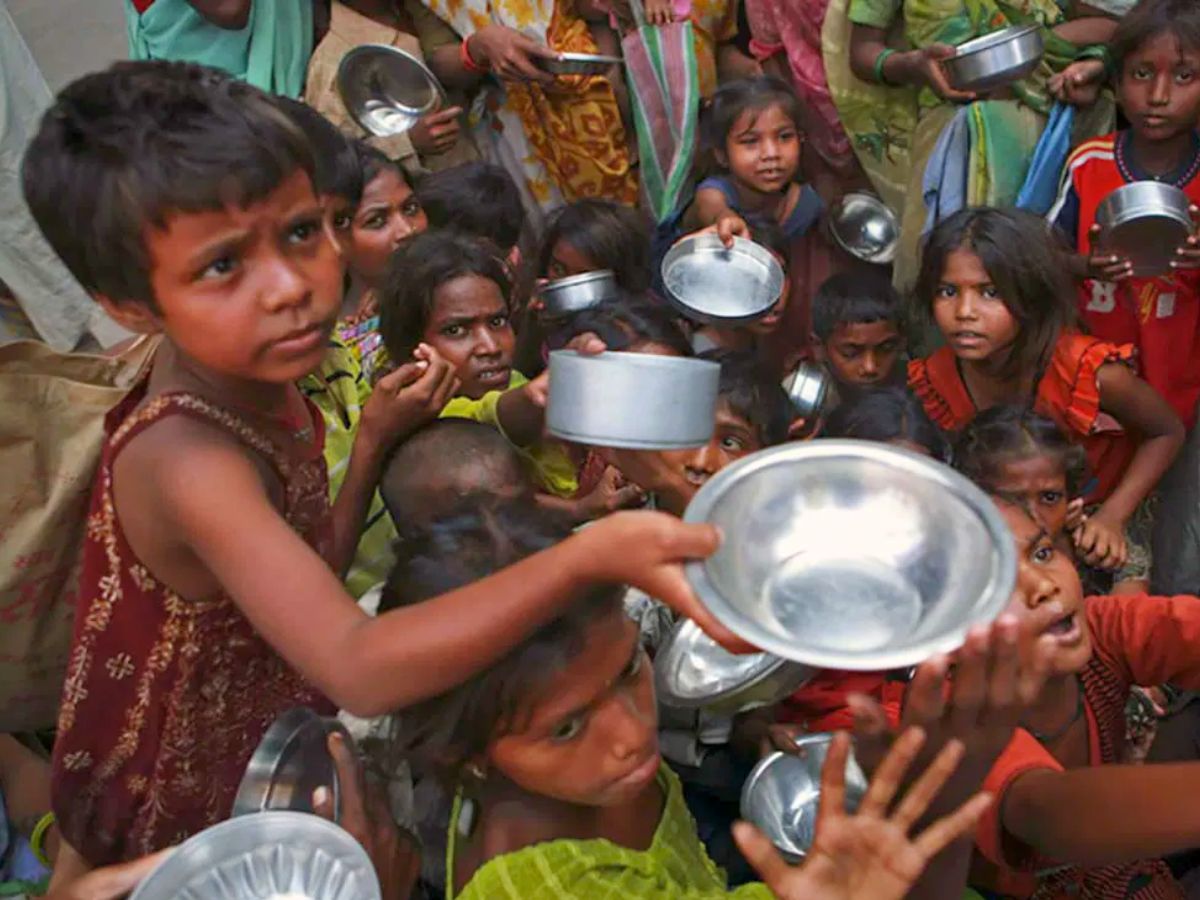
India is home to one of the largest populations of beggars in the world. Beggars can be seen outside temples, railway stations, traffic signals, and even shopping malls. But have you ever wondered how the country counts its beggars, or which state has the most? Here’s a closer look at what the data reveals — and why experts say it’s time for an update.
How Many Beggars Does India Have?
According to the 2011 Census, India had 4,13,670 people listed as beggars and underprivileged. Among them, 2,21,673 were men and 1,91,997 were women. These numbers are more than a decade old, but they are still the latest official reference available.
Since no new survey has been conducted after 2011, these figures continue to represent the official count of beggars in India. Experts say that the actual number today could be much higher due to rising unemployment, migration, and poverty in urban and rural areas.
States With the Highest Number of Beggars
West Bengal ranks first with 81,244 beggars, the highest in the country. Uttar Pradesh follows with 65,835, while Andhra Pradesh comes next with 30,218 beggars.
Other states with a large number of beggars include Bihar (29,723), Madhya Pradesh (28,695), and Rajasthan (25,853).
Poverty, lack of education, and unemployment are seen as the major reasons behind the high numbers in these states. In many areas, begging has also become an organized activity, run by small local networks.
States With the Least Number of Beggars
The North-Eastern states show a very different picture. Nagaland, Mizoram, and Sikkim have the lowest number of beggars in the country. Experts credit stronger community systems, better social support, and lower population density as reasons behind these low figures.
How Are Beggars Counted in India?
India does not conduct a separate survey to count beggars. They are included under the “beggars and vagrants” category in the national census. This category also covers people who have no fixed work and depend entirely on begging for survival.
The absence of an updated survey means policymakers are working with outdated data. Experts have called for a fresh nationwide count to understand the real picture and design effective welfare programs.
Why an Updated Survey Matters?
Social activists believe that a new survey is necessary to track how poverty and migration trends have changed since 2011. The COVID-19 pandemic and rising living costs have pushed many more people into street begging.
An updated count could help design better rehabilitation programs, including skill training and employment opportunities for those living on the streets.