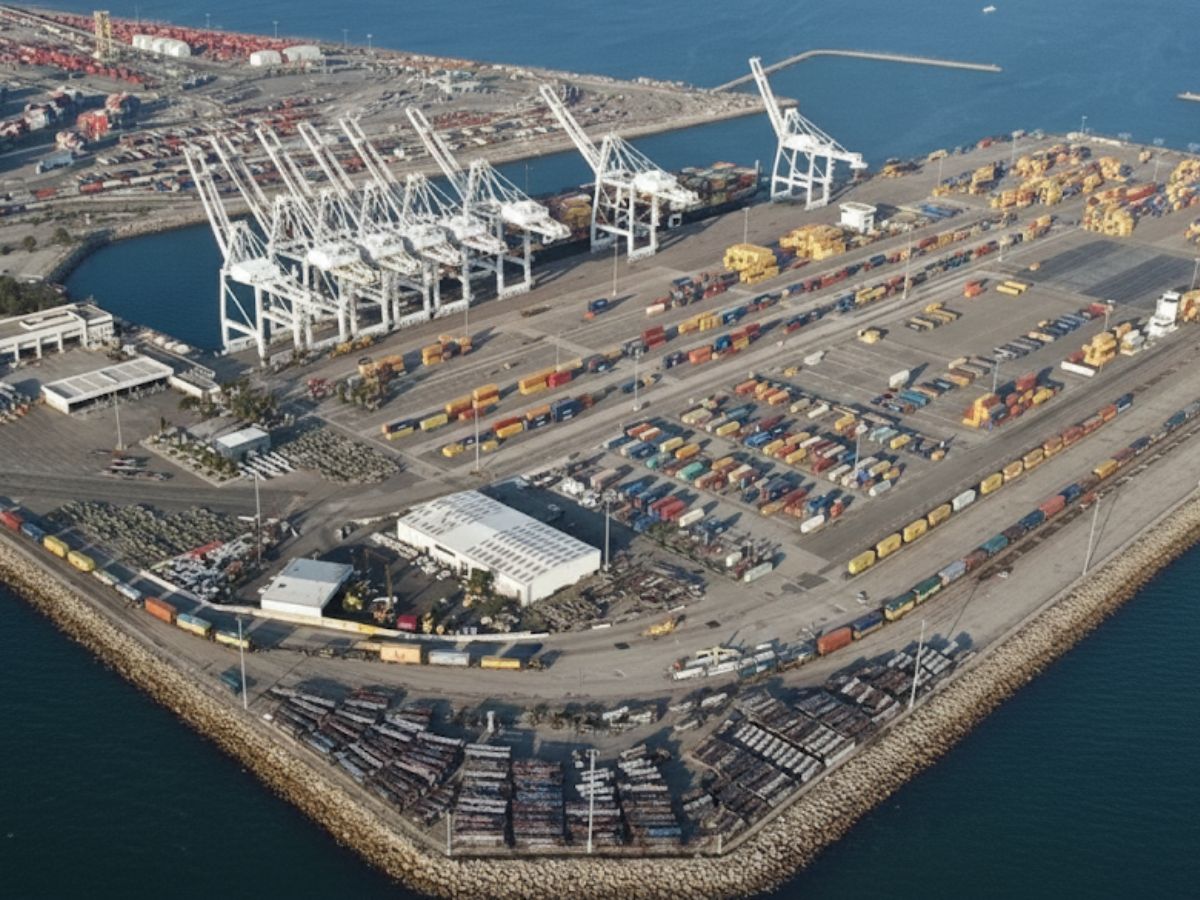
The U.S. decision to cancel the Chabahar Port sanctions waiver adds a fresh layer of strain to global diplomacy and heightens challenges for Iran.The waiver, which was first given in 2018, has given the port a limited but vital buffer for humanitarian and development efforts.The US Department of State announced that the revocation will take effect on September 29, 2024.
The decision casts doubt on a recently inked 10-year deal and a $250 million credit line, directly jeopardizing India’s large strategic investments and ambitious plans to transform Chabahar into a crucial regional commercial hub.
What Does This Revocation Mean?
The revocation means that the limited protection from US secondary sanctions is being removed. The State Department’s release was clear: “Once the revocation is effective, persons who operate the Chabahar Port or engage in other activities described in IFCA may expose themselves to sanctions under IFCA.”
This puts any company or individual conducting business at the port at immediate risk of being cut off from the US financial system and facing other severe punitive measures. The warning is a direct message to entities, including India’s state-run India Ports Global Limited (IPGL), which operates a key terminal there.
Why Did the US Make This Decision?
The Biden administration framed this action as a continuation of the previous administration’s hardline stance. Officials stated the move is consistent with the “maximum pressure policy” against the Iranian regime. The goal is to isolate Iran economically and curb its ability to generate revenue, which the US alleges funds destabilizing activities in the region.
By closing this waiver, the US aims to tighten the sanctions noose further, ensuring that every facet of the Iranian economy, including its strategic ports, feels the pressure. This choice is made in the midst of stalled discussions over Iran’s nuclear program and persistent regional tensions.
How Does This Impact India’s Chabahar Plans?
The impact on India is potentially severe. Chabahar is an important part of India’s regional connectivity and commerce strategy, and it is more than just a port.
Strategic Trade Route: It provides India with a sea-land access route to Afghanistan and Central Asia, bypassing its rival Pakistan.
Recent $250 Million Investment: Being more than just a port, Chabahar plays a significant role in India’s regional connectivity and commerce plan.As part of this deal, India committed a $250 million credit line for upgrading the port’s infrastructure.
Expansion Plans in Jeopardy: Indian companies were actively planning major expansions. This included a massive infrastructure project to create 700 km of railway tracks connecting Chabahar to Zahedan, connecting it to Iran’s national rail network, and expanding the port’s container capacity to 500,000 TEUs (Twenty-Foot Equivalent Units). These projects, slated for completion by mid-2026, are now in question.
Who Else Could Be Affected Beyond India?
While India is the primary international stakeholder, the ripple effects are wider.
Humanitarian Aid: Chabahar has been a crucial gateway for humanitarian assistance. As recently as 2023, India used the port to send 20,000 tonnes of wheat aid to Afghanistan. The reintroduction of sanctions may make future shipments of these life-saving goods more difficult or perhaps impossible.
Regional Trade: The revocation leaves Afghanistan and Central Asian nations—once hopeful of using Chabahar as a trade corridor to the Indian Ocean—grappling with renewed doubts and challenges.
Other International Businesses: Any foreign company, from logistics firms to shipping lines, considering business involving Chabahar must now weigh the immense risk of US sanctions.
What Has Been Chabahar’s Role So Far?
Beyond its strategic potential, Chabahar has already proven its operational value. India has operated the Shaheed Beheshti terminal since 2018, managing over 90,000 TEUs of container traffic and more than 8.4 million metric tonnes of bulk cargo. Its contribution to humanitarian relief, such as the delivery of eco-friendly pesticides to Iran in 2021, demonstrated its significance beyond simple trade.
The revocation of the waiver now places all this progress and future potential in peril, forcing a difficult decision upon India and its partners: proceed and risk US sanctions, or halt operations and abandon a project of immense strategic importance.