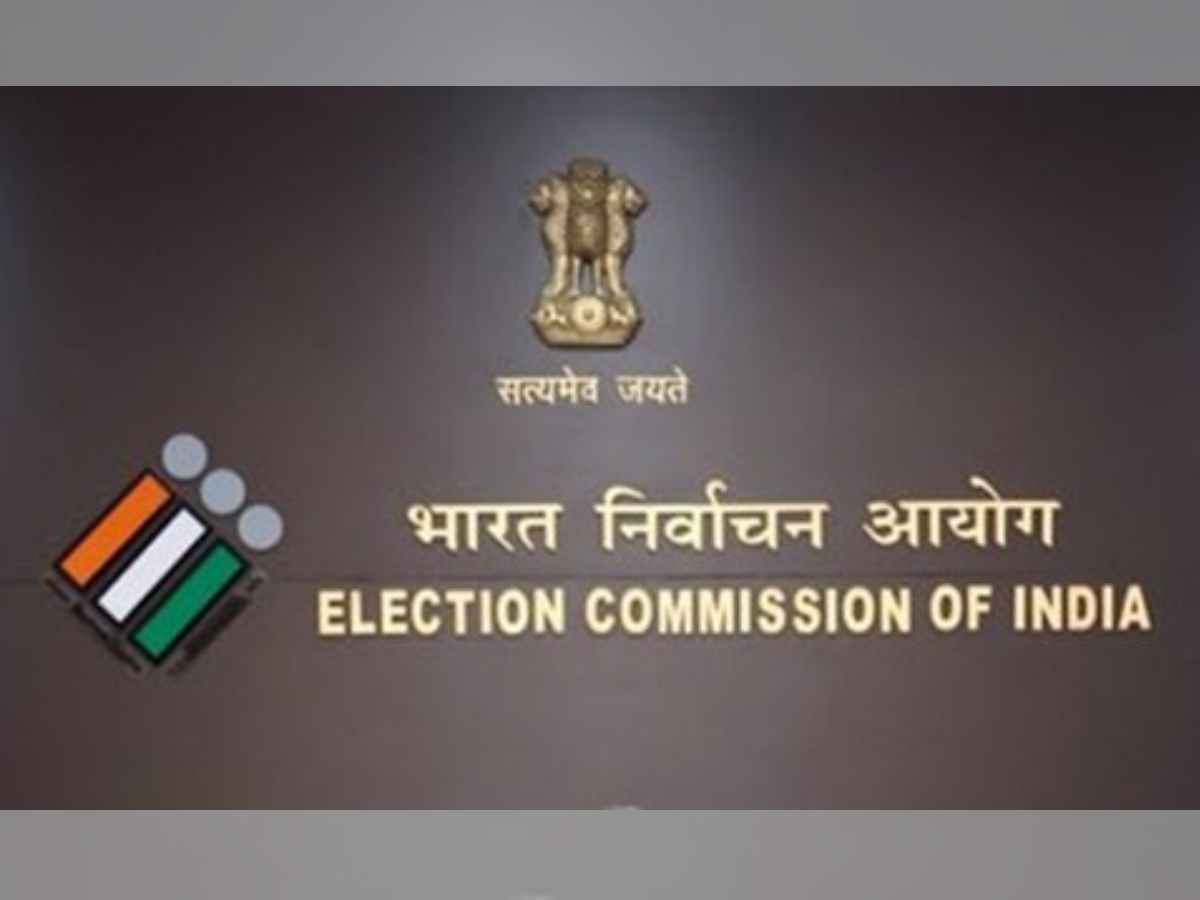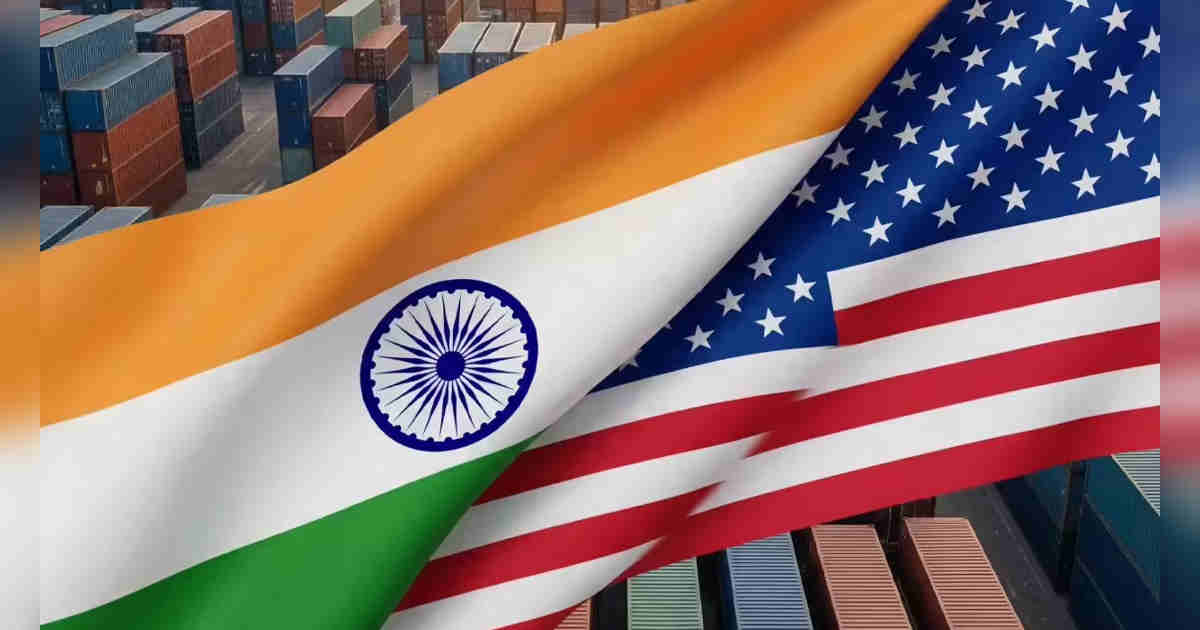
The United States on Monday published a draft notice confirming plans to impose a 50 percent tariff on Indian products, a measure that President Donald Trump had announced earlier this month. The notice, issued by the Department of Homeland Security, signals the administration’s determination to move forward with the steep tariffs even as efforts to end the Russia-Ukraine war stall.
According to the draft, the higher levies will apply to Indian goods “that are entered for consumption, or withdrawn from warehouse for consumption, on or after 12:01 AM eastern daylight time on August 27, 2025.”
Tariffs Linked to Russian Oil Purchases
Trump had earlier revealed his decision to double tariffs on Indian imports raising them from 25 percent to 50 percent specifically targeting India’s purchases of Russian oil. The deadline for implementation is August 27.
Washington hopes the tougher measures will pressure Russian President Vladimir Putin into peace negotiations by restricting Moscow’s oil revenues. However, India has strongly criticized the so-called secondary tariffs, describing them as unfair and defending its right to trade in line with its national interest.
Modi Stands Firm on India’s Interests
Prime Minister Narendra Modi, addressing a gathering in Ahmedabad on Monday, stressed that India would not compromise under US pressure. “For Modi, interests of farmers, cattle rearers and small-scale industries are paramount. The pressure on us may increase, but we will bear it all,” he said while launching several civic projects.
Drawing on cultural symbolism, Modi added that India is guided by the strength of “Chakradhaari Lord Krishna and Charkhadhari Mahatma Gandhi.”
Also Read: Trump Says Putin Won’t Meet Zelenskyy ‘Because He Doesn’t Like Him’
Jaishankar Defends India’s Energy Policy
External Affairs Minister S. Jaishankar, speaking over the weekend, strongly defended India’s position on energy security. He emphasized that India’s choices on oil imports are guided by its strategic autonomy and long-term national interest, not by external pressure. According to him, the government’s priority is to ensure affordable and reliable energy supplies for its citizens, especially at a time of global uncertainty.
Jaishankar dismissed suggestions that the tariff standoff was merely an “oil dispute.” He argued that India’s energy relationship with Russia should be seen in the broader context of its developmental needs and independent foreign policy. He also highlighted what he viewed as double standards, noting that “the same criticism that India faces has not been applied to larger importers like China and several European nations, who continue to buy Russian energy in much greater quantities.”
The minister stressed that India would not accept selective pressure or narratives that overlook global realities. Instead, New Delhi would continue to pursue an energy policy that balances economic necessity, national resilience, and diplomatic independence.
Also Read: Trump Says Putin Won’t Meet Zelenskyy ‘Because He Doesn’t Like Him’