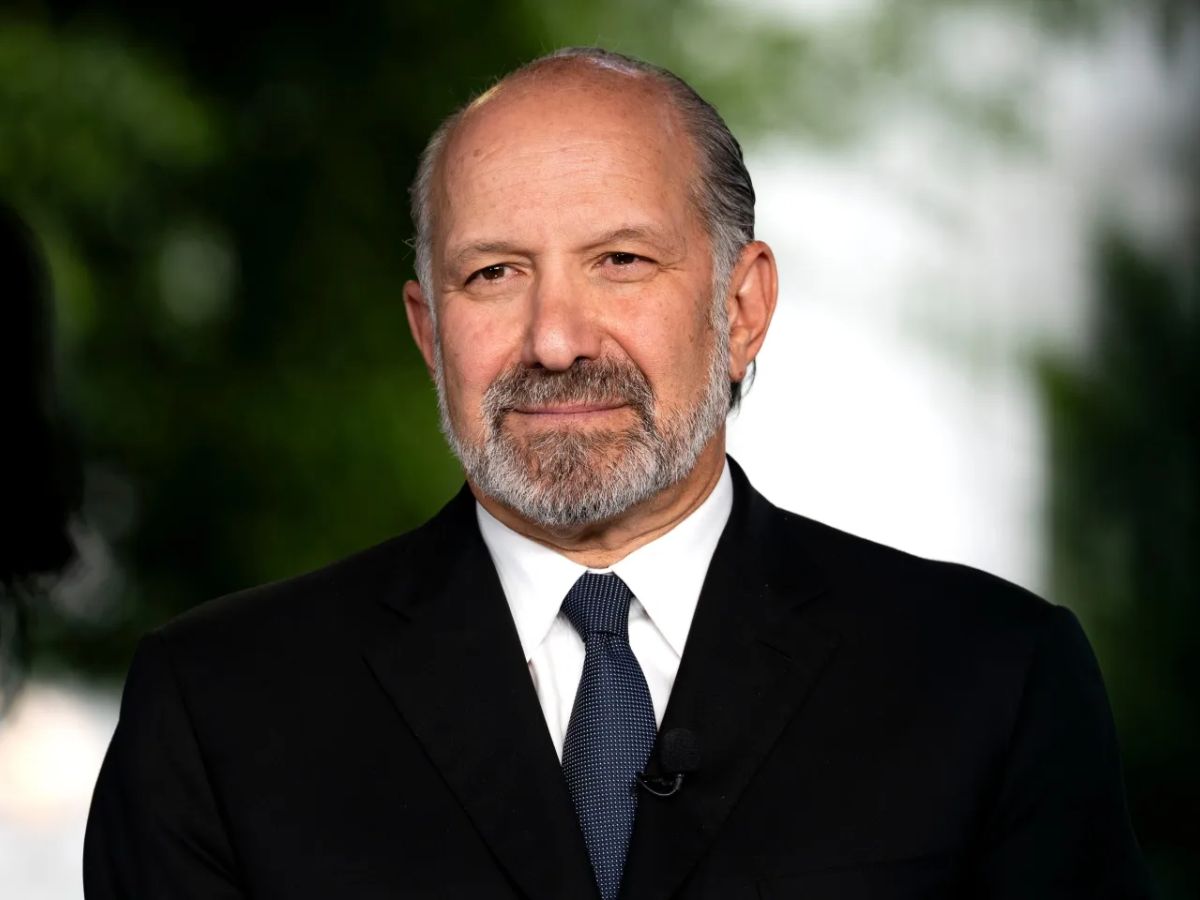
United States Commerce Secretary Howard Lutnick has sharply criticized India’s trade policies, accusing the country of blocking American agricultural imports and creating a deeply imbalanced economic relationship. His remarks imply that the trade challenges facing the two crucial allies will persist.
What is the Core of the US Complaint?
The central issue, as outlined by Secretary Lutnick in a recent interview, is market access. The U.S. official argues that while Indian goods have open access to the American market, U.S. products, particularly agricultural commodities like corn, face prohibitive tariffs that effectively block them from India.
Lutnick pointedly questioned, “India brags that they have 1.4 billion people. Why won’t 1.4 billion people buy one bushel of US corn?” He described the situation as a “one-way” relationship where India “sells to us and takes advantage of us.”
What is the US Demand and Warning?
The U.S. position is based on the Trump administration’s long-standing principle of “fair and reciprocal trade.” Lutnick stated that President Trump’s message is clear: “‘Bring down your tariffs, treat us the way we treat you.'”
He issued a direct warning, indicating that U.S. policy will remain tough until these adjustments are made. “We’ve got to right years of wrong so we want a tariff going the other way until we fix this… you either accept it or you’re going to have a tough time doing business with the world’s greatest consumer,” Lutnick said.
What is the Current State of US-India Tariffs?
This rhetoric is already backed by action. The Trump administration has imposed significant tariffs on Indian goods, with some duties reaching as high as 50%. The 25% tariff on Indian imports of Russian oil, one of the highest the United States imposes on any trading partner, is a significant source of dispute.
How Has India Responded to These Claims?
India has consistently defended its trade and energy policies. The Indian government has referred to earlier U.S. levies as “unfair, unjustified, and arbitrary.”
Regarding oil imports from Russia, India has stated its purchases are a matter of national interest and market needs, driven by the necessity to secure affordable energy for its economy. India views its trade limitations as protections for its own agricultural and economic sectors.
India’s emphasis on safeguarding its domestic industries and maintaining an autonomous foreign policy contrasts with the United States’ demand for reciprocal market access, as is evident in the impasse.