In a significant move, the Trump administration has provided relief to thousands of Indian professionals and students currently in the United States by shielding them from a contentious new H-1B visa fee. However, a parallel policy to cap foreign student admissions has experts warning of a severe long-term threat to the flow of Indian talent to America. The Global Trade Research Initiative (GTRI) cautions that these two directions “pull in opposite ways,” creating a climate of uncertainty.
Fee Relief for Current Visa Holders
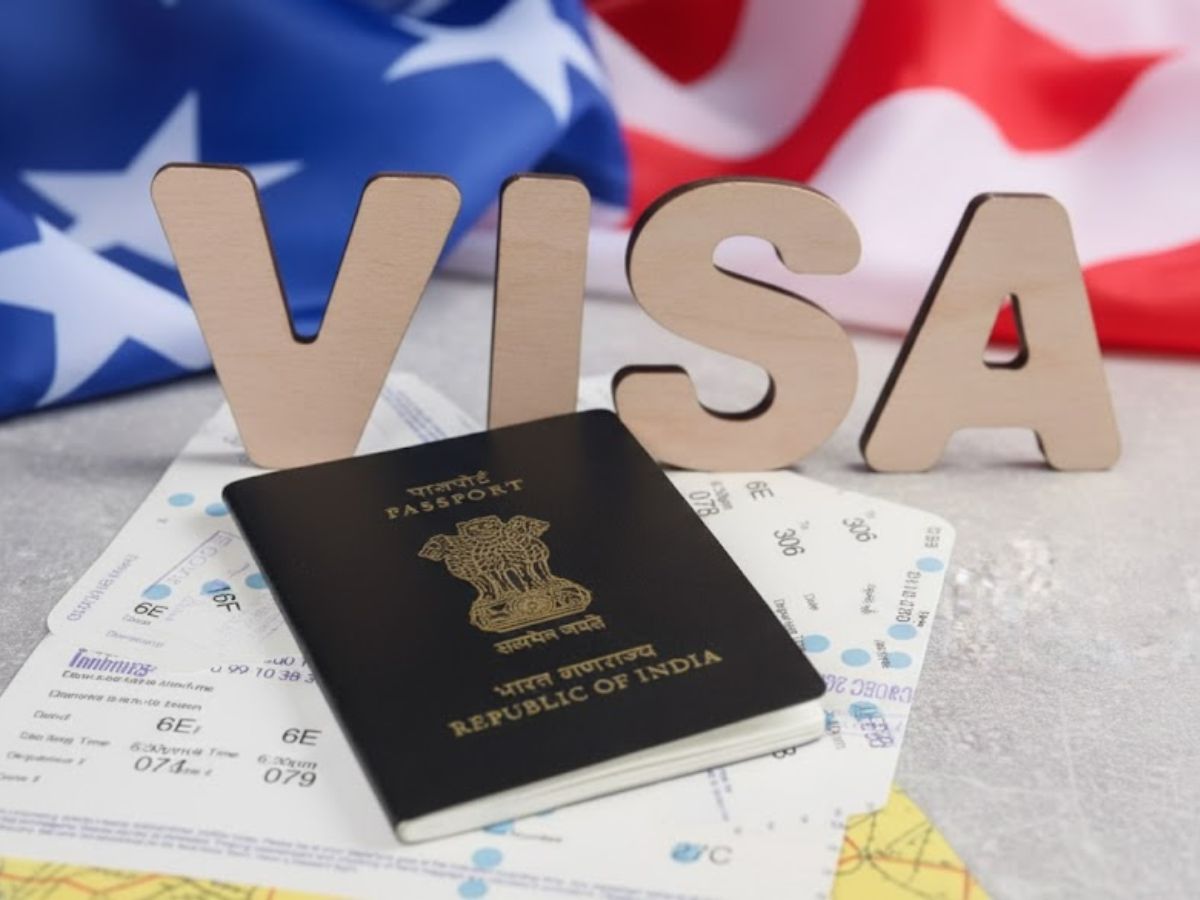
The United States Citizenship and Immigration Services (USCIS) officially reaffirmed a key detail on October 21. The announcement clarified that people who already have valid visas, like H-1B workers or F-1 students living in the U.S., won’t have to pay the new $100,000 fee introduced last month. It also allows the Department of Homeland Security to skip the fee in cases important to national interest. The Indian community has largely applauded this specific action, as it protects current residents from retroactive financial burdens.
A New Hurdle for Future Students
While offering relief to some, the administration has introduced a new rule that could drastically limit future opportunities. A memo titled ‘Compact for Academic Excellence in Higher Education’ was sent to nine top universities, including MIT, Brown, and the University of Pennsylvania. It limits foreign students to only 15% of total admissions and also states that no more than 5% can come from any one country.
What Does This Mean for Indian Students?
This new structure poses a direct challenge to Indian nationals. India currently sends the largest number of foreign students to the United States. Under the new rules, even if a university has many seats available, it can only admit a small, fixed percentage of Indian students, no matter how qualified they are. This makes it much harder for Indian students to get in and affects their chances of later working in the U.S. on visas like the H-1B.
Who is Affected by These Changes?
The policy creates a clear divide between current and prospective immigrants. Existing H-1B holders and students in the US are protected from the new fee. However, new students hoping to study in America face a much more competitive and limited landscape. The GTRI highlighted that with over 3.3 lakh active H-1B visa holders and Indians accounting for nearly 70% of them, these new limits threaten the classic ‘American dream’ for future generations of Indian students and professionals.
Also Read: OpenAI Launches ChatGPT Atlas Browser to Compete with Google Chrome & Perplexity
The Bigger Concern: Policy Volatility
Beyond the immediate caps and fees, the think tank identified a more profound problem. GTRI said, “The constant changes in U.S. immigration policy are now a bigger worry than the fee itself.” Indian tech workers and companies are struggling to make long-term plans because of the Trump administration’s frequent and unexpected rule changes. This unpredictability, more than any single policy, is creating an unstable situation for the skilled talent the U.S. has always depended on.