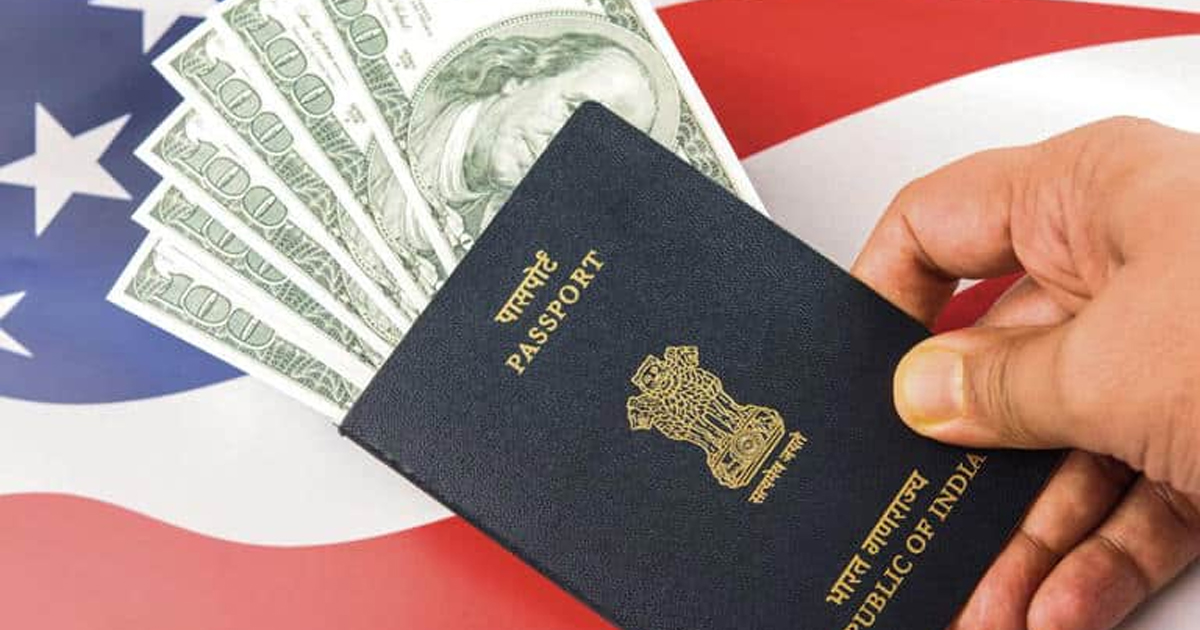
Indian tourists and visa seekers to the United States are preparing for a sharp increase in visa fees, as US President Donald Trump signed the broad “One Big Beautiful Bill” into law on July 4. Among its provisions is the imposition of a $250 Visa Integrity Fee, starting from 2026, on most categories of non-immigrant visas.
The charge will sharply increase the price of popular US visas like B-1/B-2 (business/tourist), F and M (student), and H-1B (work), which will particularly affect Indian applicants.
What Is the US Visa Integrity Fee?
The new Visa Integrity Fee is a non-refundable $250 (approximately ₹21,400) surcharge that will be charged in addition to current visa charges. It will be charged at the time of visa issuance and will rise every year according to inflation, applying the Consumer Price Index (CPI).
This surcharge does not apply to holders of diplomatic and official visas under classes A and G.
Who Will Need to Pay the Fee?
The fee applies to most applicants of non-immigrant visas, which include:
· Tourists (B-1/B-2)
· Students (F, M)
· Tech Professionals (H-1B)
· Exchange Visitors (J)
This implies that almost all Indian citizens seeking a US visa—be it for work, education, or vacations—will have to pay higher charges.
How Much Will US Visas Cost Now?
Here are the new fees for a regular B-1/B-2 visa:
· Existing visa charge: $185 (around ₹15,800)
· Visa Integrity Fee: $250
· Other charges applicable: I-94 fee ($24), ESTA ($13)
· Total estimated amount: $472 (approximately ₹40,502)
This represents a 2.5x hike from the existing fee.
Students and professionals seeking F, M, or H-1B visas will also see a similarly steep increase in overall application fees.
Refund Conditions Explained
Though the Visa Integrity Fee is always non-refundable by default, applicants who are always by US immigration regulations—like traveling abroad before the visa expiration or extending their stay legally—can be eligible for a refund.
Overstaying the visa or violating immigration regulations will exclude an applicant from obtaining any refund.
Why Has the US Introduced This Fee?
The Trump administration contends that the Visa Integrity Fee is a security fee meant to encourage lawful conduct. It is a security deposit—a deterrent against overstaying and offending foreign nationals.
Secondly, Trump’s bill adds a 1% excise tax to remittances, imposed on foreign workers—Indians included—who remit funds back to their homelands. These are all within a wider effort to strengthen immigration laws and raise federal revenue.
The Department of Homeland Security (DHS) will administer this policy and may modify the fee each year using inflation indicators.