New Delhi: After testing positive for Marijuana, the Captain of the August 4 Air India flight from Phuket to Delhi told investigators on Wednesday that he was on ‘prescribed sleep medication’ and had been suffering from ‘sleeplessness for over a week’, sources said.
The Pilot-in-Command (PIC) was interrogated after crew members filed a complaint with the airline, alleging that he appeared disoriented and even asked a crew member to occupy his seat while he went to the restroom. Crew members also said the Captain had to be helped while getting off the aircraft after landing as he struggled to maintain his balance.
The Captain is said to have told investigators that he slept for about 30-35 minutes during the flight as he could not get proper sleep in Phuket during the layover.
In his flight safety statement, the Captain made these ‘disclosures’ for the sake of ‘completeness’.
Responding to complaints from crew members that he was lying on the flight deck and leaning over the co-pilot’s seat during the loss of altitude, the Captain explained that he leaned on the co-pilot’s seat after returning to the cockpit from the restroom, soon after which the aircraft experienced a sudden loss of altitude.
The Captain further said he ‘fell on the deck due to sudden descent’ and was ‘helped by the crew to get back into his seat’.
Earlier, the Captain had also tested positive in a confirmatory test for the use of a psychoactive substance.
To be sure, as the AAIB had earlier cautioned, the medical condition of the PIC has so far shown no probable link to the sudden loss of altitude. Investigators are considering both issues serious, but are currently treating them separately.
However, the Ministry of Civil Aviation and the Directorate General of Civil Aviation (DGCA), the aviation regulator, are said to be considering strengthening rules governing cases of drug abuse.
Under DGCA regulations, a pilot who tests positive for psychoactive substances on a first offence is immediately grounded and sent for a de-addiction and rehabilitation programme. In the case of a first offence, however, the pilot can return to duty after testing negative and receiving a medical fitness certificate.
Speaking on Tuesday, Civil Aviation Minister Ram Mohan Naidu also hinted at discussions over stricter laws. “If we feel that the present regulation is not up to the mark, we will respond to it very seriously and improve whatever needs to be done,” he said.
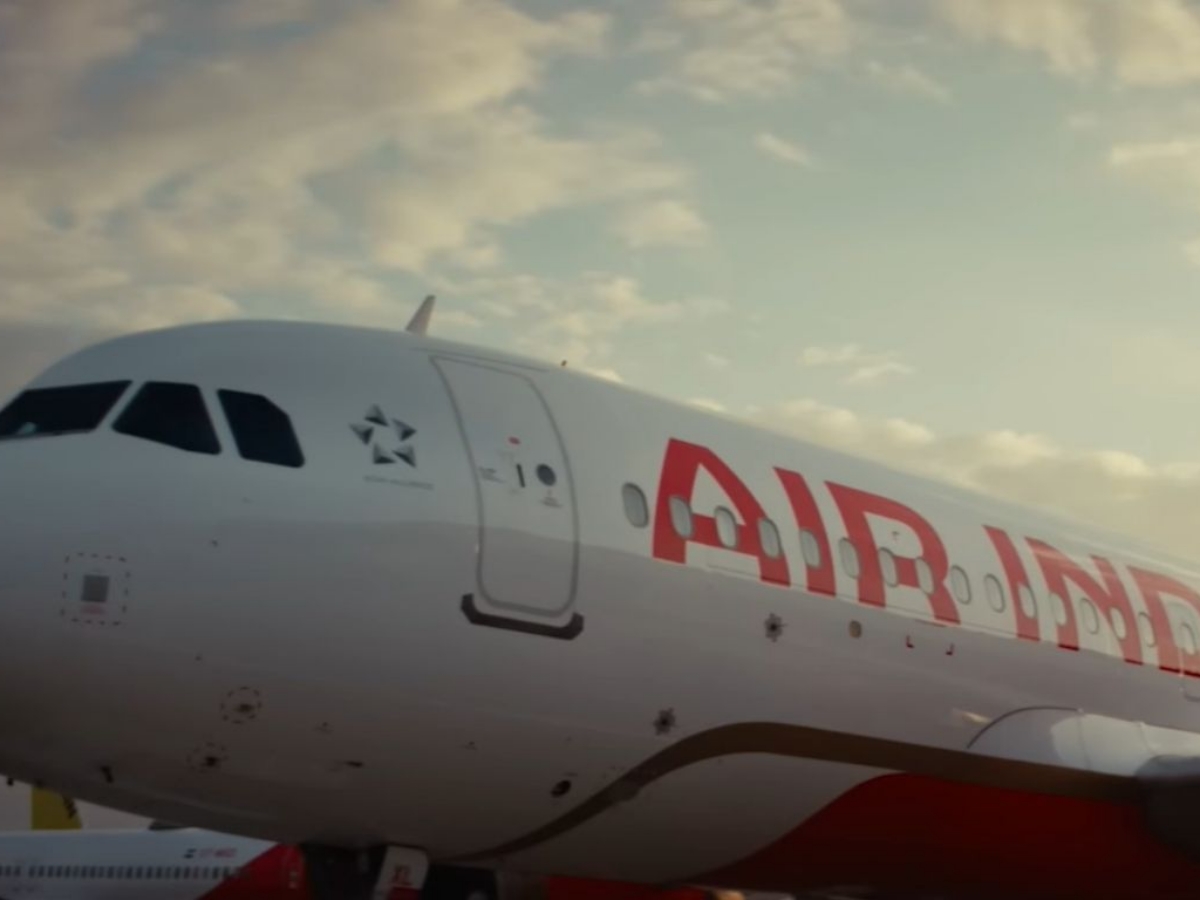
On August 4, Flight AI2379 suffered a sudden drop of about 300 feet in altitude over Odisha, injuring at least 24 people onboard, including four crew members.