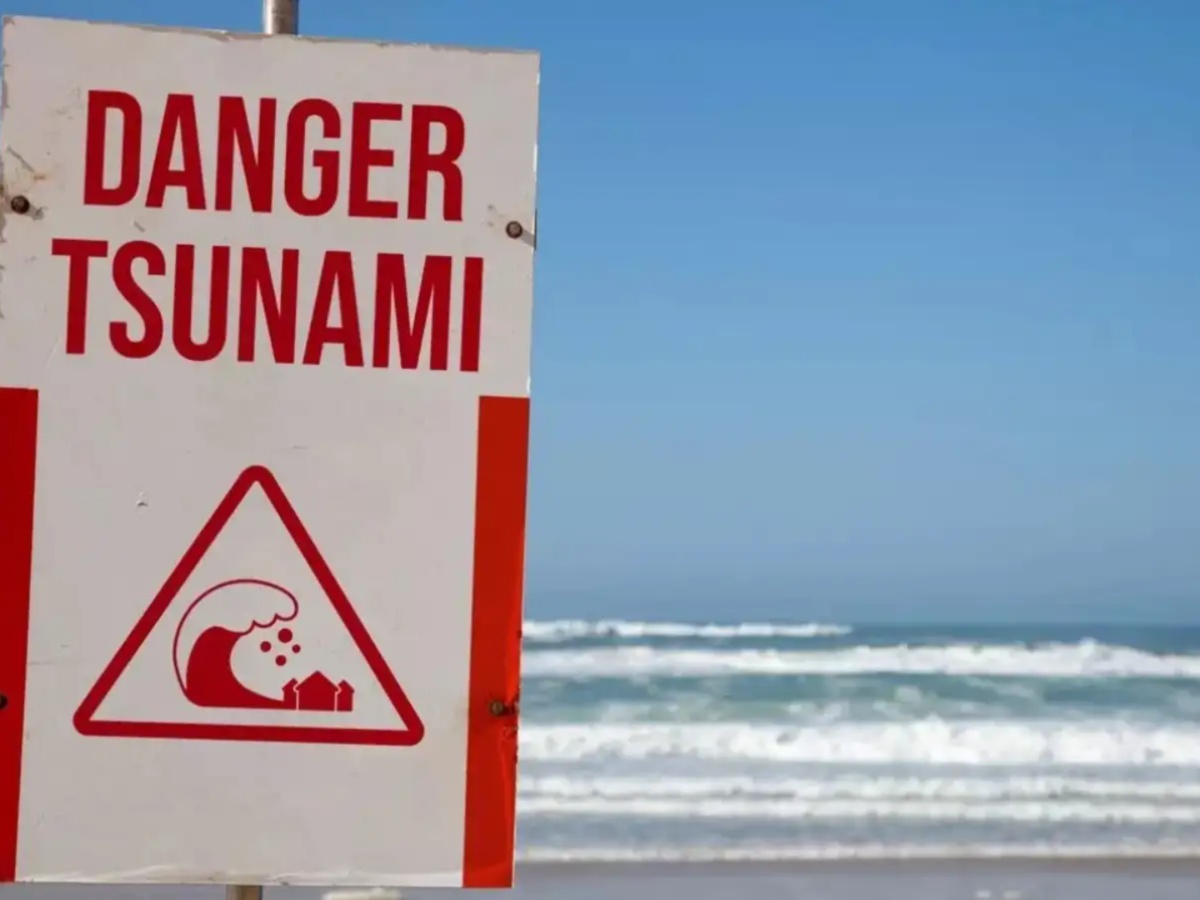
A massive 8.8‑magnitude earthquake jolted Russia’s remote Kamchatka Peninsula on Wednesday, becoming one of the strongest earthquakes in decades and the sixth-largest quake ever recorded. The tremor triggered tsunami waves that travelled thousands of kilometers, reaching Japan, Hawaii, and the US West Coast.
The event sparked panic and urgent evacuations across several nations with large Indian populations living in these countries, Indian embassies quickly issued advisories. Fortunately, India’s own coastlines remain safe. Here’s a detailed look at the situation.
Indian Missions Act Swiftly After Tsunami Threat
Shortly after the tsunami warnings were sounded for the US West Coast and Hawaii, the Consulate General of India in San Francisco released an advisory it urged Indian nationals to:
- Monitor alerts from US authorities
- Move to higher ground if a tsunami alert is issued
- Avoid coastal areas
- Stay emergency-ready and keep phones charged
The advisory also included an emergency helpline (+1‑415‑483‑6629) and email support but meanwhile, tsunami sirens echoed across Honolulu as waves up to five feet struck Hawaii and the authorities opened emergency shelters and advised residents to evacuate.
🚨🚨🚨
The Consulate General of India in San Francisco is monitoring the potential tsunami threat following the recent 8.7 magnitude earthquake off Russia’s Kamchatka Peninsula. Indian nationals in California, other US West Coast states, and Hawaii are advised to take the…
— India in SF (@CGISFO) July 30, 2025
The Indian Consulate in Seattle also issued an alert for citizens in Oregon, Washington, and Alaska it asked them to follow US advisories and contact helpline +1 (206) 608-0608 in emergencies.
Japan Sees Early Waves, Urges Mass Evacuations
In Japan, tsunami waves began hitting areas along the eastern coast. Waves reached as far as Hokkaido and parts of Honshu, including regions near Tokyo. Chief Cabinet Secretary Yoshimasa Hayashi instructed coastal residents to evacuate immediately. So far, waves of up to 60 cm have been recorded less than the predicted three meters and however, over 1.9 million people across 21 prefectures remain under evacuation advisories. In Hokkaido, some residents took shelter on rooftops.
Japan right now as Tsunami waves begin.
It’s massive OMG#Tsunami #earthquake #Japan
Strong earthquake in Russia#Tsunami #earthquake #Russia #Trending #earthquakerussia #Breaking #Earthquake #Tsunami #PacificAlert #Tsunamiwarning#Japan #Russia #Hawaii #Alaska pic.twitter.com/go1SxP3euQ— 🦁Vinay🦁 (@urstruly_Cult) July 30, 2025
As of June 2025, over 51,000 Indian nationals reside in Japan and the Indian embassy is monitoring their safety closely.
Other Countries on Alert
Tsunami advisories or warnings have been issued across the Pacific region these include the Philippines, Indonesia, Chile, Peru, Ecuador, Mexico, Panama, and Taiwan. Governments are monitoring wave activity and advising caution along their coastal zones.
India’s Shores Face No Risk, Confirms INCOIS
Back home, public concern spiked over a possible impact on Indian shores. However, the Indian National Centre for Ocean Information Services (INCOIS) confirmed that India faces no tsunami threat. In a post on X, INCOIS said, “There is no tsunami threat to India or the Indian Ocean region.”
Tsunami Advisory
National Weather Service USA has issued Tsunami Advisories along parts of the U.S. West Coast, including areas in Oregon, Washington and Alaska.
Indian citizens in the these areas are advised to follow advisories issued by local government authorities and take… pic.twitter.com/Jr42LvPioj
— India In Seattle (@IndiainSeattle) July 30, 2025
The epicenter of the quake lies in the Pacific Ring of Fire, known for frequent seismic activity. Experts said the energy released remains confined to northern Pacific regions.
The Tsunami Early Warning Centre in Hyderabad continues to monitor the situation 24/7 to ensure public safety and real-time response if needed.
Conclusion
This rare seismic event has shaken countries across the Pacific it triggered emergency responses from governments and diplomatic missions, including India’s. While Indian nationals in affected countries are urged to stay alert, India itself is in no immediate danger and authorities remain vigilant and continue to monitor wave patterns worldwide.