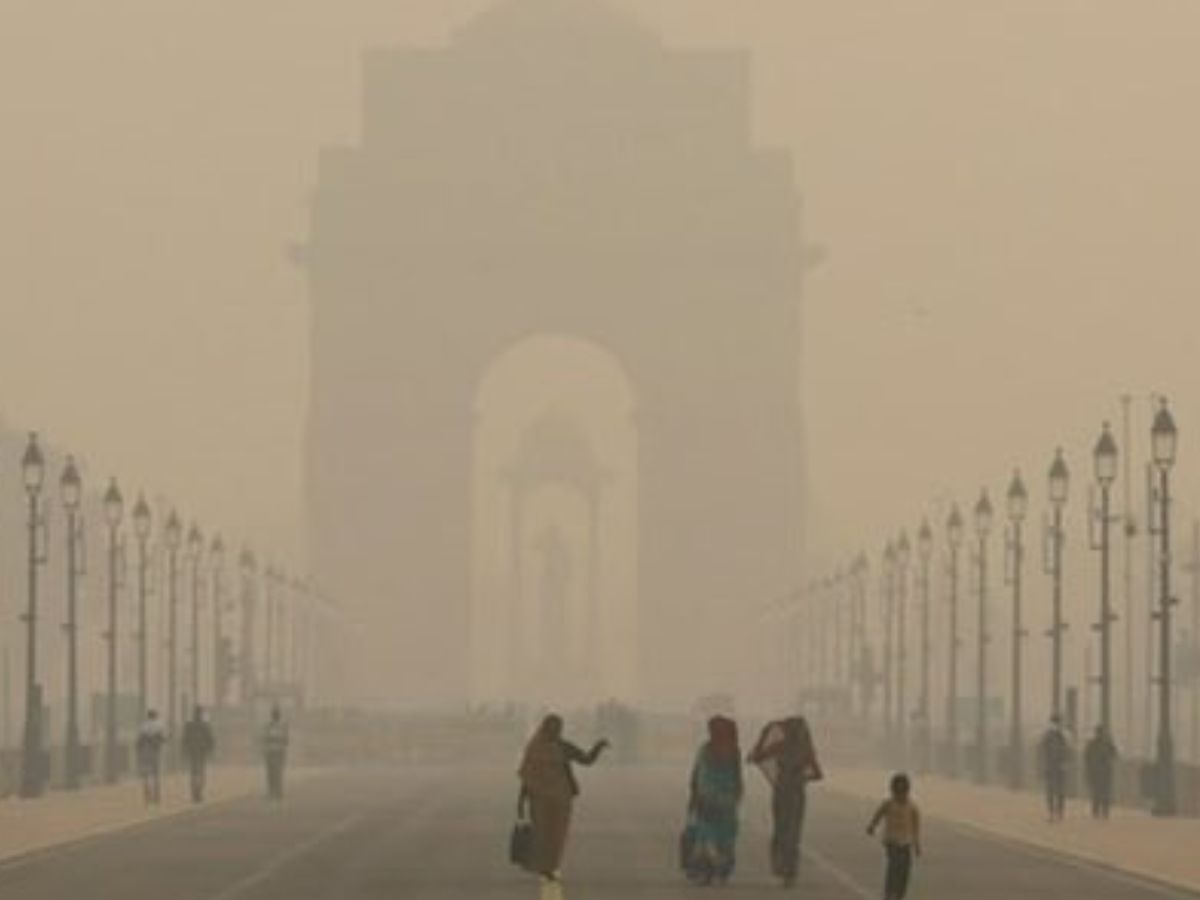
A thick layer of smog enveloped most of northern India on November 8, covering Delhi-NCR, Haryana, and Uttar Pradesh, due to seriously degrading air quality across several cities. According to data released by the Central Pollution Control Board, several monitoring stations recorded Air Quality Index levels in the ‘poor’ to ‘very poor’ range, signaling a serious public health concern.
Widespread Pollution Across North India
AQI values from 0–50 are considered ‘good’ by the CPCB, while readings above 400 are classified as ‘severe’. However, most cities across Delhi-NCR and adjoining states saw readings far above the safe limit, reflecting deteriorating pollution levels because of factors such as vehicular emissions, stubble burning, and stagnant weather conditions.
Health authorities have been repeatedly warning the public, particularly children, senior citizens, and those having respiratory or cardiac problems, to limit outdoor activities and use protective masks.
Government Takes Emergency Measures
In response to the toxic air, the Delhi government and MCD have revised office timings to help reduce traffic congestion during peak hours and cut pollution from vehicle exhaust.
Delhi Tops the Pollution Chart
As of 8 am, Delhi recorded some of the worst AQI readings in the country:
ITO: 373
Mundka: 363
Anand Vihar: 352
All three fell into the ‘very poor’ category, meaning the air is likely to cause health issues even in people without pre-existing conditions.
Ghaziabad, Noida and Western UP also choke
Ghaziabad’s Vasundhara area reported an AQI of 353, making it one of the most polluted zones of the day. In its vicinity, Noida’s Sector 62 recorded 309 and Hapur’s HUDA Sector logged an AQI of 280.
The Sardar Patel Inter College area in Baghpat continued to be among the worst-hit pockets, reflecting a consistent poor air quality trend seen across western Uttar Pradesh.
Haryana’s Air Quality Also Plummeted
Beyond NCR, several parts of Haryana reported hazardous air:
Panipat (Sector 18): 310
Jind (Police Line): 294
Fatehabad (HUDA Sector): 292
Panchkula (Sector 6): 268
Sirsa (F Block): 225
Experts said that the pattern of pollution stretches much beyond Delhi, to whole regional corridors where air circulation is low and particulate matter remains close to the ground.
Public Health Advisory
Medical experts have stressed the need for precautionary measures such as the use of N95 masks, air purifiers indoors, and avoidance of early morning walks or outdoor workouts. Prolonged exposure to this kind of polluted air can trigger asthma, bronchitis, and cardiovascular complications, warn doctors. Officials fear that unless strong anti-pollution measures are taken immediately, air quality may deteriorate further in coming days with winter settling in and wind speed dropping.
Also Read: Delhi Airport Slowly Returns to Normal After 36-Hour Air Traffic Control Failure