
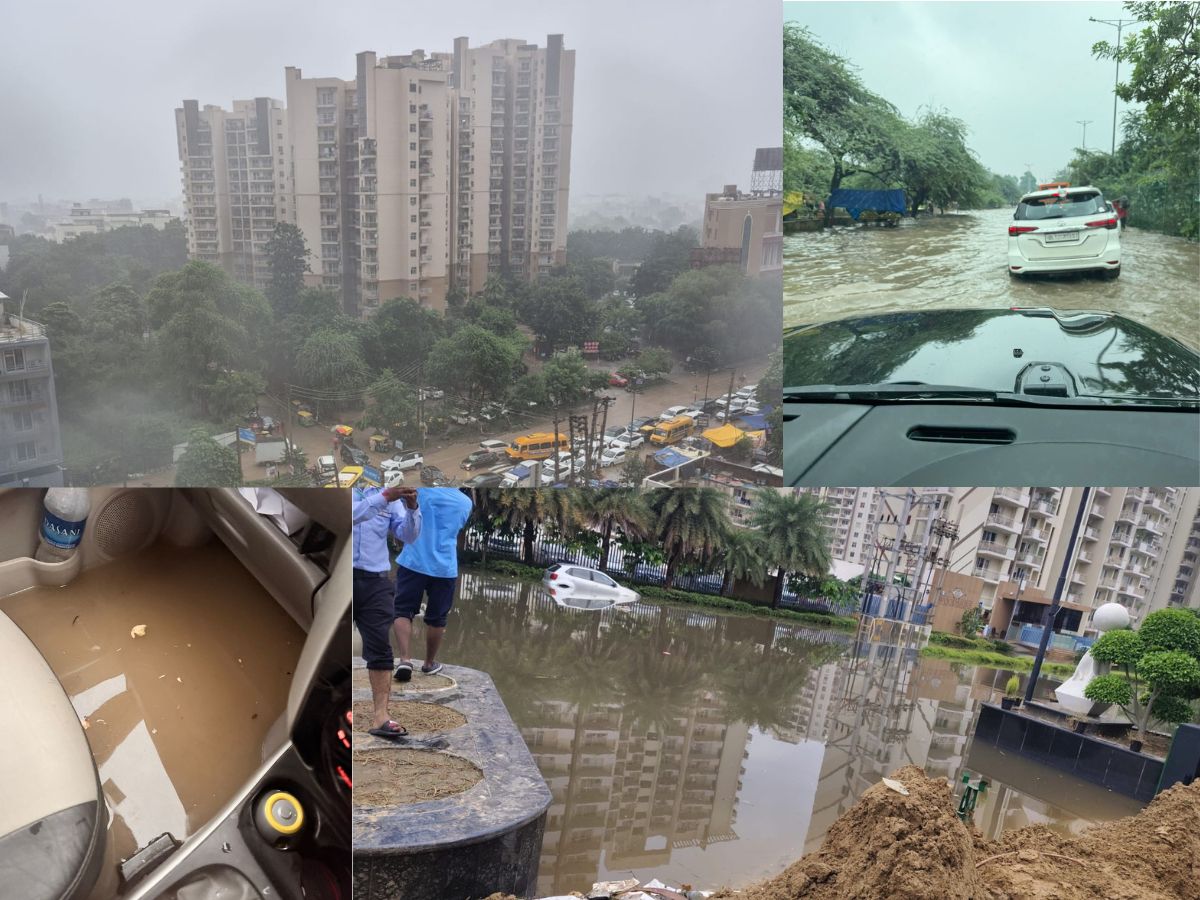
Indian cities have flooded ugly and water-logging during monsoon season has become a regular urban nightmare. The recent mayhem in Gurugram is a clear instance of how infrastructure can play a significant role and point in direction we normally avoid. Flashy cars and luxury bunglows aren’t going to cut it if the administration and the commoners aren’t in sync with the aware and civilised duties to perfom.
Roads submerged in ankle-deep waters, traffic jams stretching for hours, and the risk of water-borne diseases highlight the failure of civic infrastructure and failed cities. While inadequate drainage systems and unregulated construction get much of the blame with all voices against government and administration, one silent villain often escapes attention – the rampant use of polythene bags.
ALSO READ: The Stability Taunt by PM Modi from Japan is for You, Mr Trump!
The Polythene Monster
Polythene bags, owing to their lightweight, durability, and low cost, are widely used for packaging and carrying goods. However, these very qualities make them an environmental hazard as well. Unlike biodegradable materials, polythene does not decompose easily and can remain in the environment for decades. When discarded carelessly, these bags find their way into stormwater drains, sewer lines, and natural water channels.
Choking the Drainage System
The link between polythene waste and water-logging is a direct one. During heavy rainfall, urban drains are expected to swiftly carry excess water away. But when polythene bags block these outlets, water gets trapped on roads and low-lying areas. Even a short spell of rain then leads to severe flooding. Civic officials across metros like Delhi, Mumbai, Kolkata, and Chennai repeatedly report that over 60% of drainage blockages are caused by polythene materials.
Much Larger Environmental Hazard
The issue extends beyond water-logging. Polythene bags also contribute to soil infertility as they form an unpenetrable layer preventing water seepage. They are ingested by stray cattle, causing health complications and even deaths. When burned, they release toxic fumes that pollute the air. Thus, what may appear to be a convenient packaging solution, in reality, creates a cycle of environmental degradation.
ALSO READ | 8th Pay Commission: Check the Probable Salary Structure
Inadequate Regulation and Public Ignorance
Despite several bans on single-use plastics, enforcement remains linient. Street vendors, small retailers, and even households continue to use polythene bags carelessly due to lack of alternatives or awareness and no sense of duty. On the other hand, municipal authorities are often ill-equipped to monitor usage or set up efficient waste segregation systems. This creates a vicious loop where polythene keeps entering waterways, thereby worsening urban flooding.
Towards Sustainable Alternatives
The solution lies in a multi-pronged approach. Governments must strictly enforce bans on single-use plastics and ramp up waste management facilities. Equally, promotion of eco-friendly alternatives such as cloth, jute, or paper bags can reduce dependency on polythene. Public awareness campaigns, especially at community levels, are essential to change consumer behaviour.
ALSO READ | Oil worth Tariff-bullying: Russian Crude saved India ₹1 Lakh Crore
Nutshell
Water-logging is not just about faulty drainage systems; it is also about human habits and negligence. Polythene bags, though small in size, have an outsized impact on city infrastructure and the environment. Unless citizens and authorities treat this plastic disaster with urgency, urban flooding will remain a common crisis, however ugly life it may lead to.