
India may be a latecomer to the global scene of powerful players, but it is sure to disrupt the power balance with its development-first model. The nation’s digital infrastructure and multi-alignment strategy offer Central Asia a crucial hedge to maintain strategic autonomy. The pressing question now is this: Can New Delhi successfully apply its vast human, tech, and diplomatic resources into material leverage for resource security before Chinese dominance becomes irreversible? The tyranny of geography remains the ultimate bottleneck, as India’s ambitions partially rely on volatile transit corridors and its ability to deliver speedy, high-quality projects across both digital and physical domains.
In 2011, U.S. Secretary of State Hillary Clinton proposed a “New Silk Road” vision to link India and Central Asia, imagining that American presence in Afghanistan and partnership with Pakistan would bring stability. That plan, which aimed to invest in Central Asian energy markets and regional connectivity, failed spectacularly. Today, while the American dream of a north-to-south corridor has dissolved, a new “Indian dream” is rising. As a global power pursuing its Viksit Bharat 2047 vision, India is uniquely positioned to offer Central Asian Republics (CARs) a compelling alternative to adjacent superpowers.
Congruent Strategies for Strategic Autonomy
Central Asia is currently caught between China’s overwhelming economic weight and Russia’s legacy security levers—though the latter have severely diminished since the 2022 invasion of Ukraine. Central Asian leaders are deeply wary of becoming overly dependent on any single power, leveraging a multi-vector foreign policy to improve their bargaining positions. India’s framework of “multi-alignment” is perfectly congruent with the CARs’ desire for balance. Unlike top-down, debt-heavy infrastructure models, India’s engagement emphasizes sustainable development, technological sovereignty, and mutual respect.
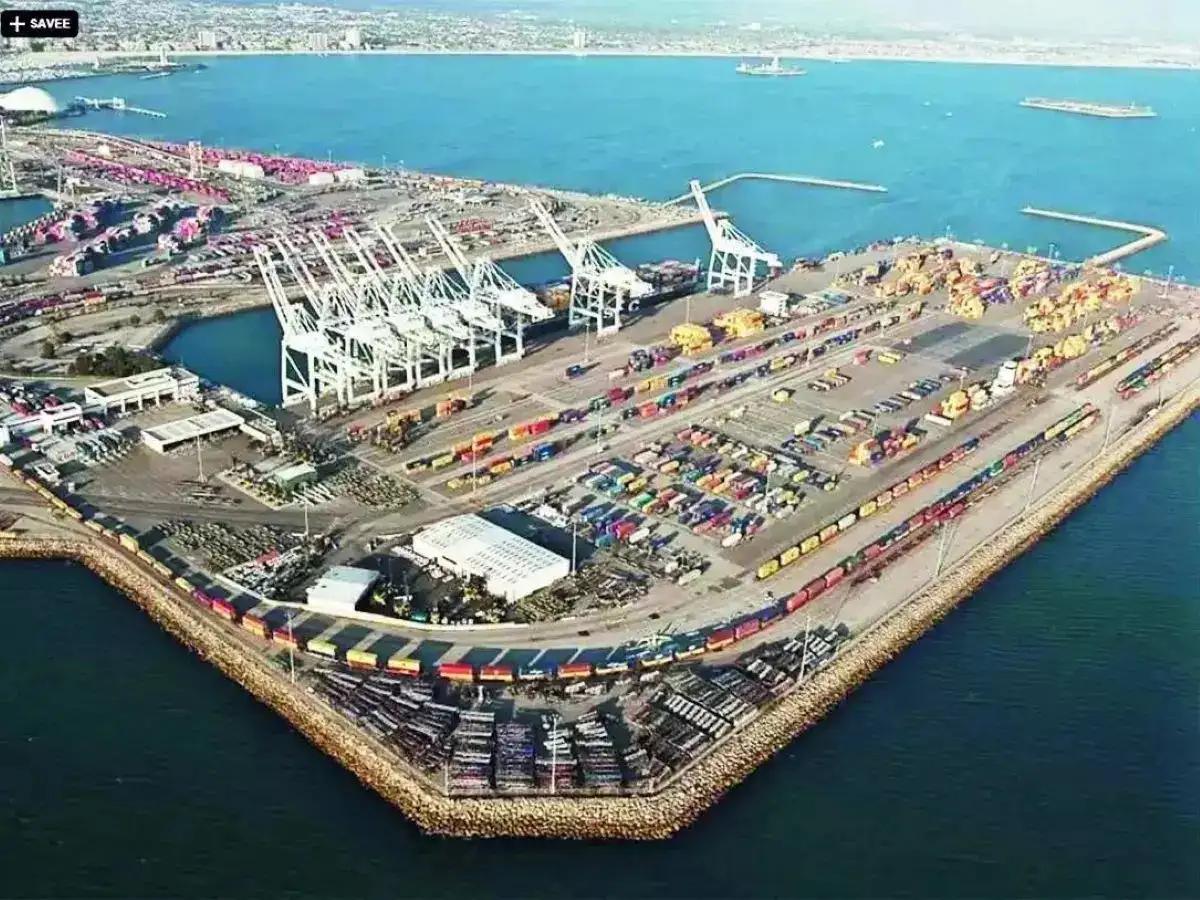
To bypass the geographical challenges posed by Pakistan, India has aggressively operationalized the International North-South Transport Corridor (INSTC) and Iran’s Chabahar Port. Trade along the INSTC grew by 19% in 2024, providing the landlocked CARs with a 40% shorter transit route to the Indian Ocean compared to the traditional Suez Canal route.
[Traditional Route via Suez Canal] ———> High Cost & Long Transit
[INSTC & Chabahar Port Rail Links] ———> 40% Shorter Route to Indian Ocean
This connectivity aligns with India’s National Critical Mineral Mission, launched in 2025, which targets the region’s vast reserves of uranium, titanium, and rare earth elements essential for India’s green energy transition. Currently, Kazakhstan provides over 50% of the region’s trade with India, primarily driven by uranium and crude oil supply chains.
The Digital Alternative and Soft Power Rails
While China aggressively promotes its “Digital Silk Road,” persistent regional unease over data surveillance and data sovereignty provides a distinct opening for the India Stack. As India takes the lead in introducing its Unified Payments Interface (UPI) to Central Asian financial networks, significant opportunities exist to export broader telecommunications, financial services, and open-source e-governance toolkits. These public tech rails serve as natural facilitators for secure macroeconomic cooperation.
Furthermore, India can reclaim its historical role as a civilizational heart of the Silk Road through targeted soft power initiatives:
-
Educational Anchors: Expanding Indian university campuses and technical institutes within the CARs.
-
Capacity Building: Broadening the scope of the Indian Technical and Economic Cooperation (ITEC) program.
-
Knowledge Exchange: Conducting regular, high-level expert and thought leader exchange visits to build lasting institutional trust.
-
Medical Tourism: Streamlining medical travel frameworks to position Indian healthcare facilities as accessible regional hubs.
As Central Asian states foster a stronger sense of localized regionalism, India must actively engage through the C5+1 format, established as a biennial leadership-level summit in 2022. By merging ancient civilizational ties with cutting-edge tech diplomacy, New Delhi can position Central Asia as a central pillar of its global strategy—seizing the opportunity created by shifting geopolitical alignments to secure the supply chains of the future.
Ryland Pitts, The Fletcher School at Tufts University, United States | NXT Fellow 2026