In a big step for its decennial census exercise, India has completed preparations for Census 2027, the first digital count and caste data gathering since 1931.
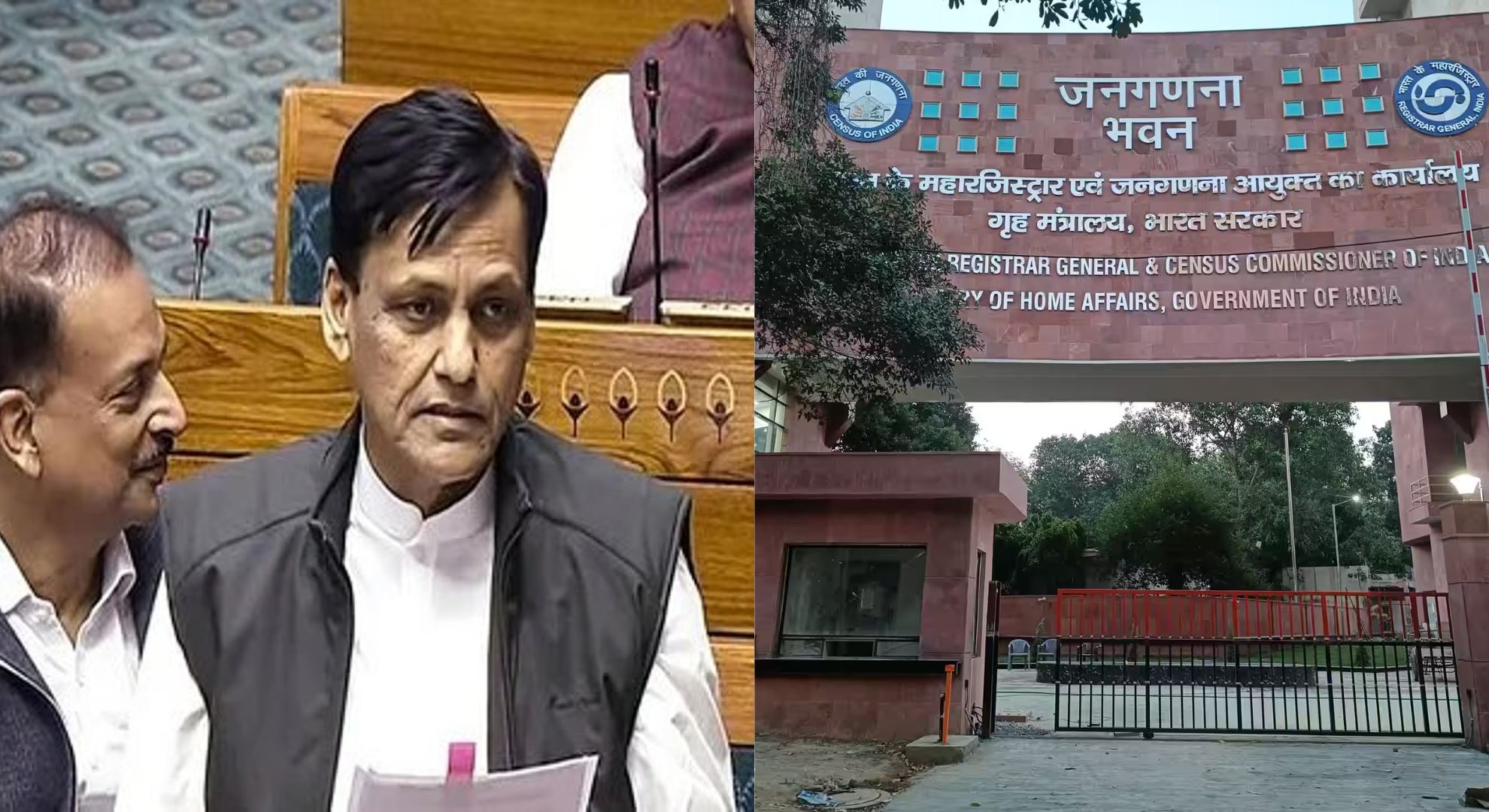
This was done according to Minister of State for Home Affairs Nityanand Rai, as the Registrar General’s officials organized a two-day conference (July 3–4) in New Delhi to lay down the roadmap. The digital data-collection mobile app, Census Management and Monitoring System (CMMS) portal, self-enumeration options, and comprehensive training of field personnel were the key areas of focus all under the legal structure of the Census Act, 1948.
The census will be conducted in two phases: a house-listing phase during the period from April to September 2026, and then population enumeration between February 9 and February 28, 2027. The reference date has been fixed at 00:00 hours on March 1, 2027, with prior counting (October 1, 2026) in snow-affected areas such as Jammu & Kashmir and Ladakh.
Uttar Pradesh—a microcosm of this grand exercise—has shown its hand in deploying 600,000 field staff and tallying nearly 257 million residents across 1 lakh villages, highlighting its mammoth scale.
Historic Census: The First Digital Enumeration
1. First fully digital approach: Enumerators will utilize an easy-to-use app in 16 languages. Citizens can also self-enumerate. Data may be published within nine months — cutting previous delays
2. Resurrection of caste data: For the first time in more than seven decades, caste Enumeration will be done in detail—a move initially sanctioned in April 2025 under intense political controversy.
Apprehensions on the Related Issues
- Accuracy of policy: New caste and demographic data can make welfare schemes’ targeting more precise, particularly for OBCs, SCs, and STs. It may also affect seat delimitation for Lok Sabha before 2029.
- Gains in efficiency: Smart tools guarantee more precise and timely information, to drive improved governance at the grassroots.
- Security issues around data: Mobile app usage and self-enumeration create questions around privacy measures in light of increasing debates surrounding digital safeguards.
- Administrative integration: Success depends on seamless interlinkages among 6 lakh workers in UP alone, in addition to robust app performance and monitoring systems.
Census 2027 will be the most technologically sophisticated and socially revealing exercise in Indian history. If it is carried out smoothly, it can transform demographic rule and shed some light on caste-based inequality. Now that the government has undertaken the responsibility, it needs to stay committed to transparency, uphold data security, and provide timely, reliable results making this perhaps the most impactful census after independence.