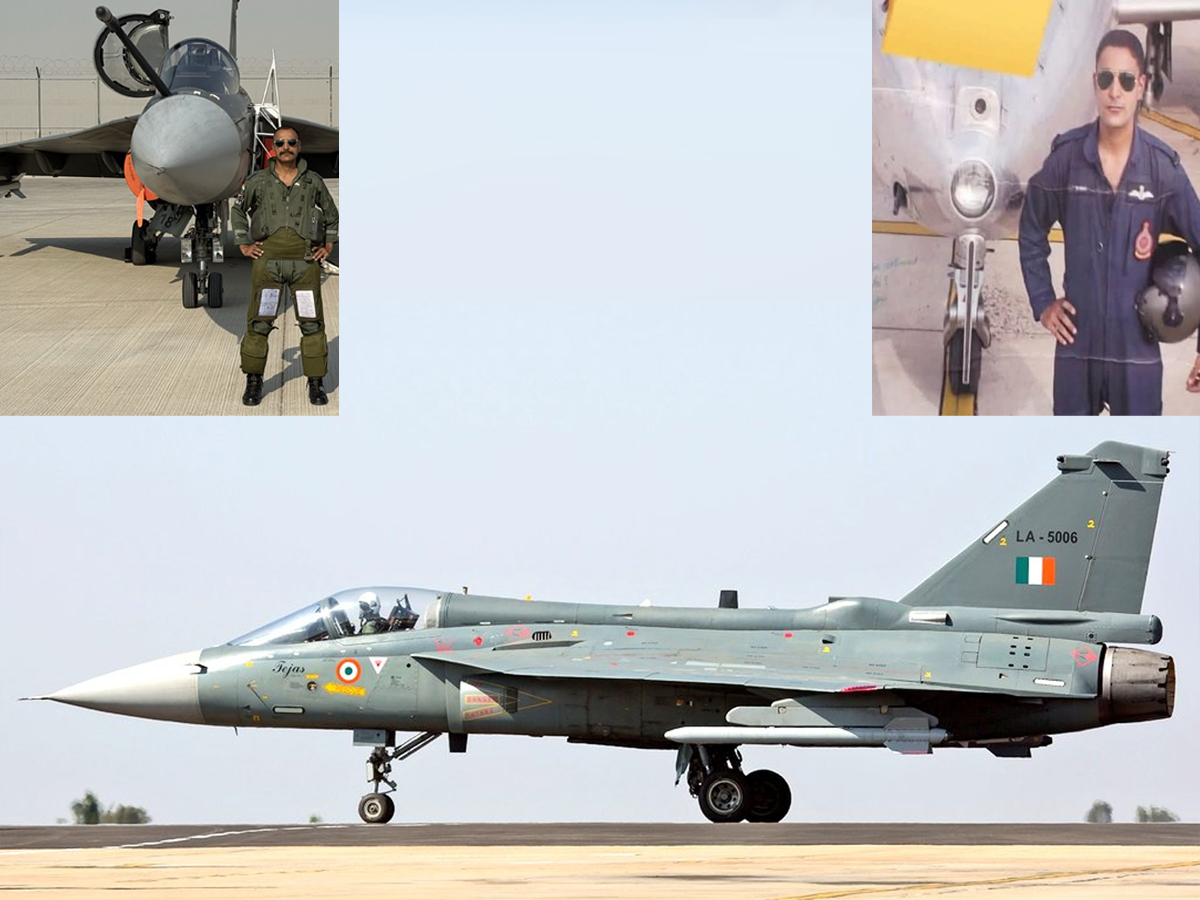
At the Dubai Air Show, an Indian Air Force Tejas fighter jet crashed during a low-altitude aerobatic maneuver, killing its pilot, Wing Commander Namansh Syal. The aircraft plunged to the ground in a blaze of flames and smoke on the final day of the event. The tragic accident has stirred deep grief across the IAF and raised urgent questions about aircraft safety.
This crash is also pointing fingers at the safety of Tejas, which is an indigenous fighter jet. This was the second crash of the Tejas in the 25-year history of the Tejas.
An IAF Tejas aircraft met with an accident during an aerial display at Dubai Air Show, today. The pilot sustained fatal injuries in the accident.
IAF deeply regrets the loss of life and stands firmly with the bereaved family in this time of grief.
A court of inquiry is being…
— Indian Air Force (@IAF_MCC) November 21, 2025
Tejas: India’s Indigenous Fighter Jet with a 25-Year Legacy
Tejas took its maiden flight on 04 January 2000 and was inducted into the Indian Air Force in 2016. It is India’s light-combat, delta-wing fighter that uses a US-built GE F404 engine and wings manufactured largely by L&T, although the design is fully Indian.
Despite two accidents, Tejas is widely regarded for its agility, fly-by-wire stability, and resilience under duress.
CRASH 1 (March 12, 2024) — The First-Ever Tejas Crash Near Jaisalmer
The first Tejas crash occurred on 12 March 2024, during a training sortie near Jaisalmer, Rajasthan.
- The pilot ejected safely, and there were no casualties.
- Primary investigation suggested engine seizure.
- Officials said an oil-pump failure in the GE F404 engine likely caused the malfunction.
The incident marked the first loss of a Tejas aircraft in its operational history but did not point to a design flaw in the airframe.
CRASH 2 (November 2025) — The Fatal Dubai Air Show Tejas Accident
On the final day of the Dubai Air Show 2025, an Indian Air Force Tejas fighter jet crashed during a low-altitude aerobatic maneuver.
- The aircraft plunged to the ground in a ball of flames and smoke.
- The pilot, Wing Commander Namansh Syal, was killed in the accident.
- The crash triggered grief across the IAF and raised difficult questions about the aircraft’s safety.
The IAF released an official statement expressing regret and confirmed that a Court of Inquiry would determine the cause.
Tejas Falling Over Delhi-NCR, but ‘He’ Saved the Tejas and Himself
In October 2020, Group Captain Varun Singh volunteered for a system check sortie on the Tejas jet, shortly after major repairs had been done on its Flight Control System (FCS) and pressurisation system. During the sortie, the cockpit pressurisation failed at high altitude. He recognised the problem, initiated a descent, but then faced a complete flight-control failure, and the aircraft pitched uncontrollably.
Wing Commander Varun Singh had a choice in the situation to eject safely and crash the aircraft, but Varun Singh chose to land safely and not to crash because he was flying over Delhi-NCR, according to Khabargaon.
Instead of ejecting, he fought to regain control, and according to his Shaurya Chakra citation, “he maintained exemplary composure … and regained control of the aircraft … thereby exhibiting exceptional flying skills.” His calculated risk saved not only the jet but likely countless lives on the ground. The incident also allowed the IAF and Tejas developers to analyse and address the fault, leading to improved safety measures.
What Does History Tell Us About ‘Tejas’ Safety?
Wing Commander Namansh Syal’s death raised some broader concerns about the Tejas, which is India’s indigenously built Light Combat Aircraft, and Wing Commander Varun Singh’s 2020 incident demonstrated how even mature systems like the FCS and pressurisation system can fail. Given that the Tejas program is central to India’s defense pride, such incidents spark debate.
Today, when his squadron-mate, Wing Commander Namansh Syal, died in a Tejas crash at the Dubai Air Show in November 2025, some critics pointed to possible systemic or design flaws in the aircraft.
While there is no publicly confirmed direct link between Singh’s earlier snag and the later crash, his experience underlines how critical error detection, resilience, and ongoing safety improvements are. The Indian Air Force had constituted a court of inquiry to ascertain the cause of the accident.