On Monday, the Supreme Court refused to completely ban construction activities in Delhi and the National Capital Region despite the severely deteriorating Air Quality Index.
The bench, led by the Chief Justice of India, B.R. Gavai, observed that the court should find a balance between environmental concerns and development.
The bench also underlined that it does not have the technical wherewithal to pass such drastic directions and that a complete ban would lead to devastating socio-economic consequences, as it would destroy the livelihood of scores of daily wage earners and migrant families.
The court underlined the fact that temporary and piecemeal measures cannot work in this continuing crisis, and long-term, sustainable solutions by the Centre and state governments are needed to tackle the menace of pollution each year.
It also asked the Delhi government to submit a detailed report about the quality and efficacy of equipment used for AQI monitoring, where questions are being raised on the accuracy of the data.
The judgment emphasizes the principle of coordinated pollution control throughout the year, based on scientific data rather than judicial management with sudden, sweeping orders.
Also Read: Delhi AQI 418: Smog Blankets Capital as Stubble Fires Push Air to ‘Severe’ Zone
How Rapidly Delhi’s Air Quality Is Worsening
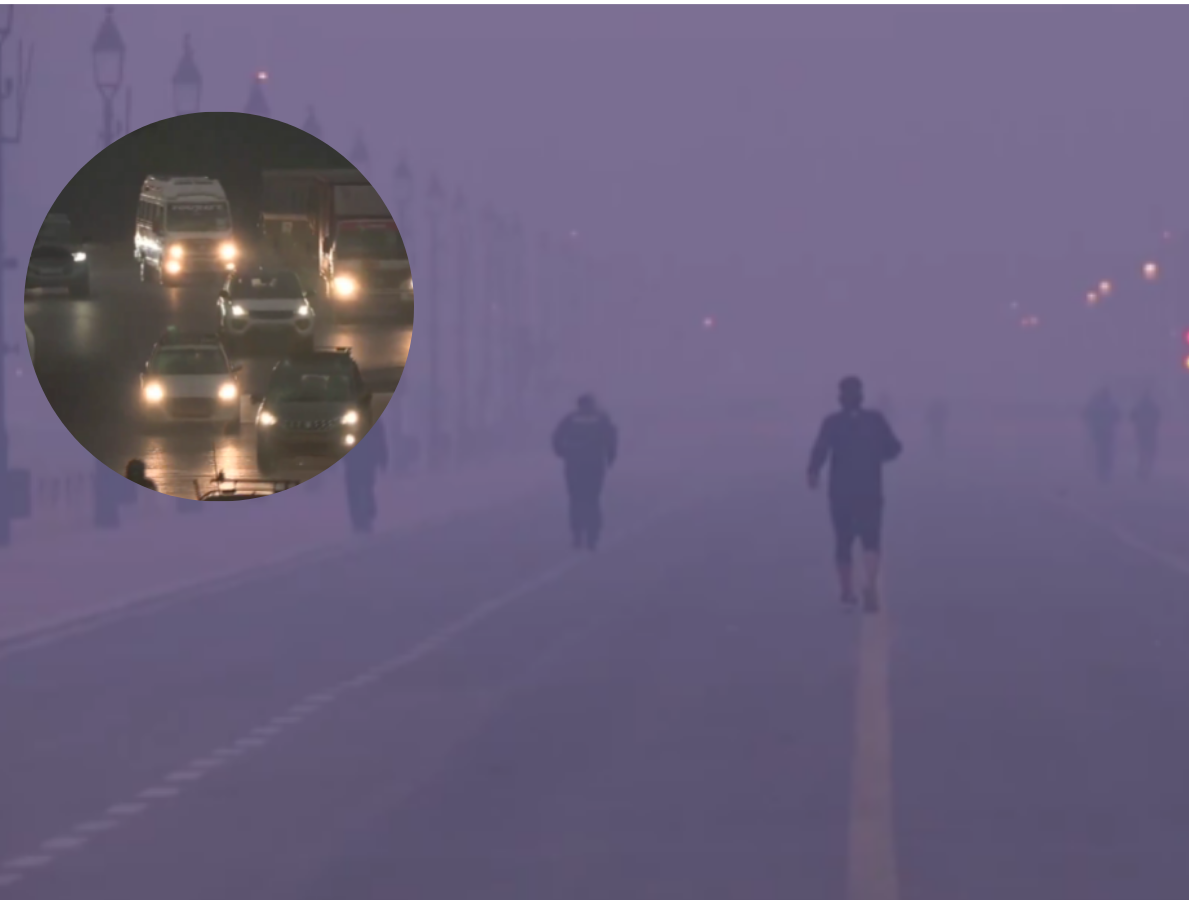
Air quality in Delhi typically worsens rapidly and dramatically every winter, often going from ‘very poor’ (AQI 301-400) to ‘severe’ (AQI 401-500) in a matter of days. This decline occurs as a result of a “perfect storm” of factors:
1.Meteorological Traps: Cold winter air and calm winds lead to a phenomenon called temperature inversion. where a layer of warm air acts like a lid, trapping all pollutants near the ground. This prevents the toxic air from dispersing.
2. Stubble Burning: Smoke from the burning of crop residue in neighboring states like Punjab and Haryana contributes up to 30-40% of the fine particulate matter ($PM_{2.5}$) during peak pollution periods.
3. Local Emissions: High volumes of local pollutants from vehicular exhaust, construction dust, industrial emissions, and waste burning accumulate near the surface due to the trapped air, rapidly pushing the AQI into the hazardous zone.
Steps to Protect Yourself from Severe Air Pollution
Since air pollution is a persistent problem, individuals must take proactive steps to safeguard their health:
Limit Outdoor Activity: Avoid going outside, especially during peak pollution hours (early morning and late evening).
Wear N95/N99 Masks: If you must step out, wear an N95 or N99 respirator mask. 13. Standard cloth or surgical masks do not filter the dangerous, microscopic $PM_{2.5}$ particles effectively.
Improve Indoor Air: Keep windows and doors closed to minimize outside air entry. 16 Use an air purifier with a High-Efficiency Particulate Air (HEPA) filter appropriate for the size of your room.
Avoid Outdoor Exercise: Postpone high-intensity workouts like running or jogging until the AQI improves, as deep breathing during exercise pulls more pollutants into the lungs.
Boost Immunity and Hydration: Stay well-hydrated and consume a diet rich in antioxidants (like vitamins C and E) found in colorful fruits and vegetables (e.g., amla, pomegranates) to help your body fight the damage caused by pollutants.
Consider Vaccination: Consult a doctor about getting flu and pneumonia vaccinations, especially for vulnerable groups like children and the elderly, as pollution increases the risk of respiratory infections.
Also Read: Delhi AQI on Novenmebr 1, 2025: Delhi Breathes Polluted Air Again, AQI Touches 251 Mark