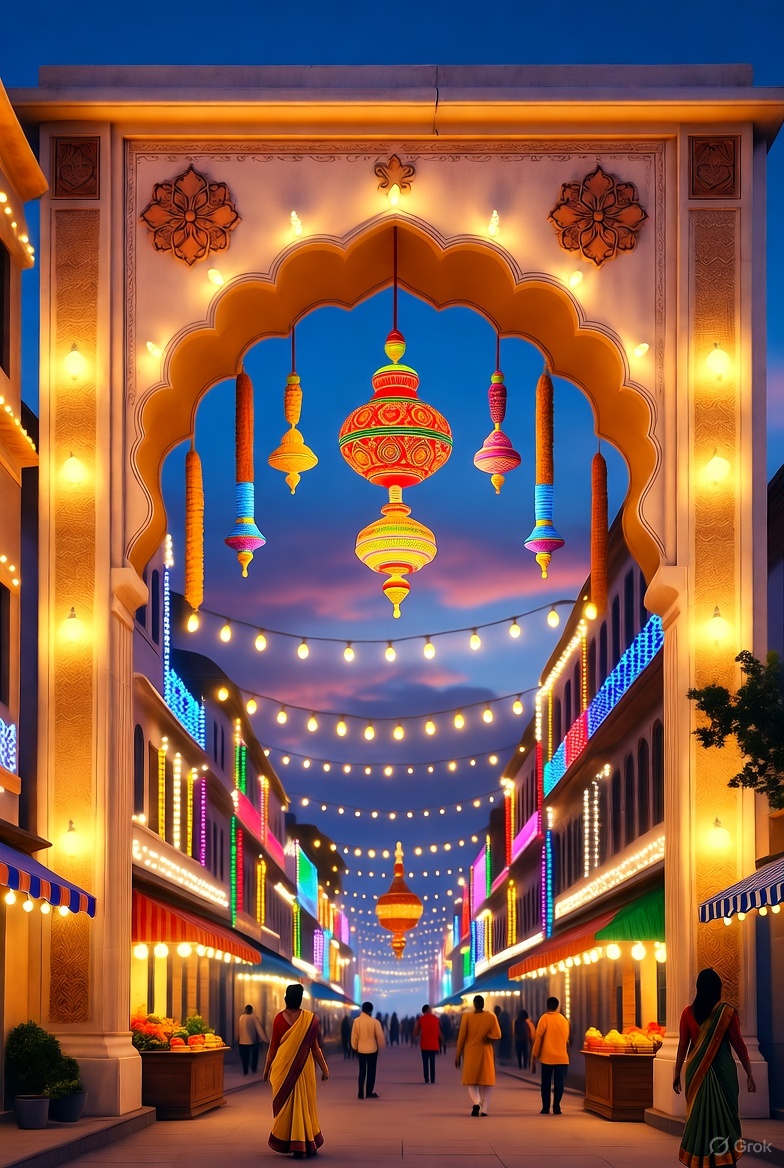
Even as Delhi-NCR waits for the Supreme Court’s final decision on whether firecrackers will be allowed this Diwali, the festive mood in markets tells a different story. Despite a blanket ban on the manufacture, sale, storage, and use of firecrackers, they are being sold openly in Chandni Chowk, Jama Masjid, and Sadar Bazaar, according to an HT visit. Residents’ welfare associations (RWAs) reported that firecrackers have already been heard across the city, with multiple incidents recorded last week.
Supreme Court Hearing and Centre’s Recommendations
Last week, the apex court reserved judgment on petitions filed by cracker manufacturers challenging the permanent ban. During the hearing, the Centre suggested allowing sales only through licensed traders and barred online platforms from selling firecrackers in Delhi-NCR.
Sadar Bazaar: Crackers Sold Discreetly
On Sunday and Monday, Sadar Bazaar was bustling with Diwali shoppers, many quietly inquiring about crackers. HT spotted at least 10 street vendors selling bombs and sparklers, with some hidden under tables or behind sweets. “We don’t display the big crackers; they’re kept under the table. But if someone asks, we sell them discreetly,” said a 19-year-old vendor, who earns more in two days of Diwali sales than in a month of regular work. Vendors in the area reportedly make ₹50,000 to ₹4 lakh daily, collectively earning over ₹30 lakh during the festive period.
Vendors Profit Amid Police Laxity
Despite police managing traffic and crowds, many vendors went unnoticed. “Yesterday, the police caught me selling crackers and kept me at the station for a few hours before releasing me,” said another vendor. He explained that smaller vendors benefit because big manufacturers cannot sell openly. “We buy from wholesalers and sell at a 50-60% margin,” he said, showing a packet of “green crackers” priced at ₹300, up 60% from its original value.
Families Celebrate Amid Market Restrictions
Near Jama Masjid gate no. 3, shops remained closed, yet families with children walked the lanes with packets of crackers. Vendors sold sparklers, flower pots, and small crackers, with prices ranging from ₹200 to ₹1,000. “We bought this stock before the ban. These are just for children. You can’t stop them from celebrating Diwali,” said one vendor.
Established Shops Play It Safe
Many established shop owners are cautious. At Majestic Fire Works Co. in Sadar Bazaar, shelves were mostly empty, with stock hidden. “We have all kinds of crackers, even green ones, but not displayed. If the court allows, we’ll start selling after Tuesday,” the owner said.
In Shakti Nagar, small shops displayed only kids’ crackers, though some provided regular fireworks to loyal customers. One shopkeeper showed a 22-page catalogue of firecrackers, saying, “People know us. We don’t display them, but we have everything. Once customers choose, we bring it from the storehouse.”
RWAs Confirm Increased Firecracker Activity
RWAs reported that firecracker use in homes has increased over the past week. Ashok Bhasin, president of a North Delhi RWA, said, “We hear crackers every night. We’ve asked shopkeepers to sell only green crackers if necessary, but even those aren’t really available.”
Challenges of Green Firecrackers
Experts note that green firecrackers are hard to distinguish from conventional ones, making the 2018-2020 experiment largely ineffective. Allowing them could lead to widespread use of all types of crackers, undermining the ban.
History of Firecracker Ban in Delhi
A comprehensive ban on firecrackers was first imposed in 2017 to improve air quality and public health. Green crackers were allowed briefly in 2018, but annual bans have been in place since 2020 due to worsening winter pollution. Enforcement remains a challenge, and Delhi continues to experience high smog levels during festival seasons. Last December, following Supreme Court directions, the Delhi government imposed a complete year-round firecracker ban.
Also Read: Who Are the 20 Israeli Hostages, Returned Home After Over Two Years in Gaza?