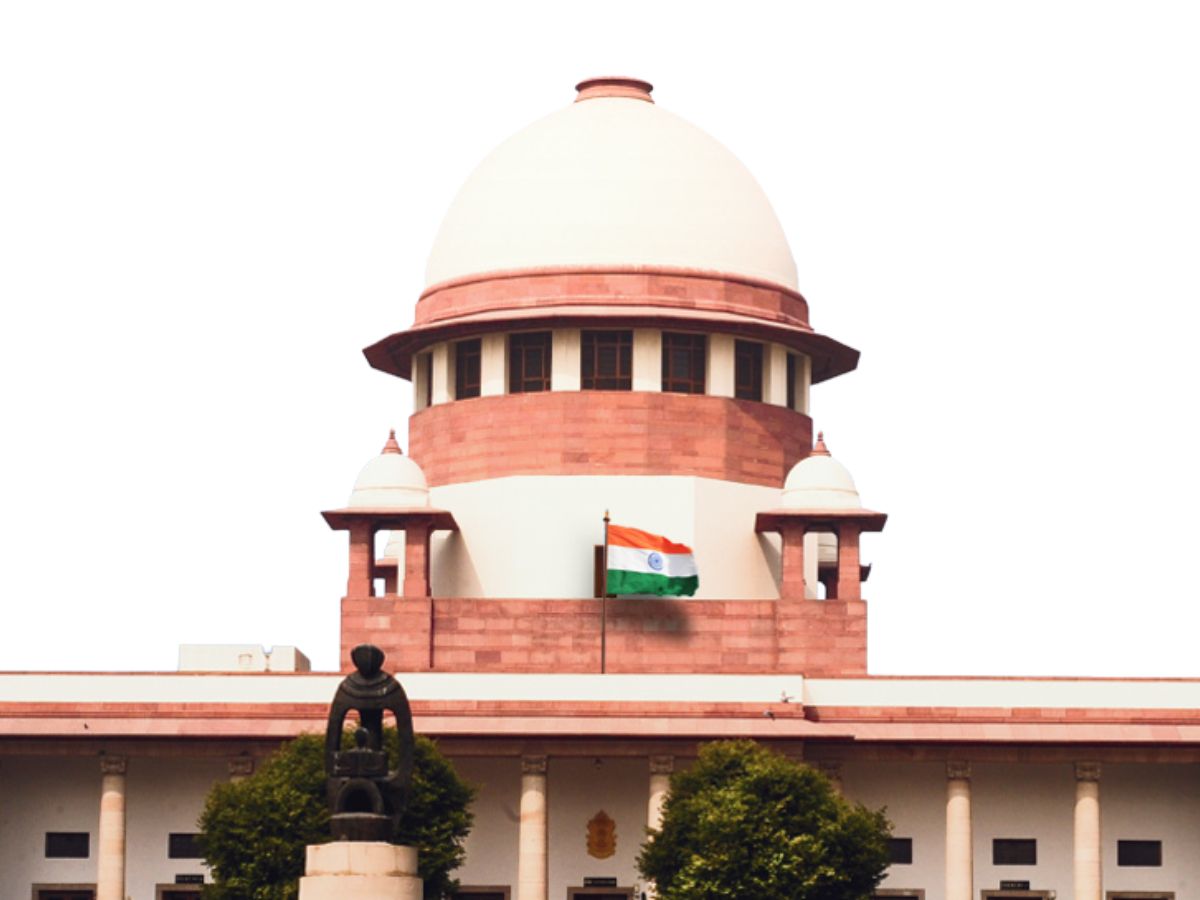
The Supreme Court of India has sought replies from several states about the legality and enforcement of anti-conversion laws passed in various states. These laws, also commonly called “Freedom of Religion Acts,” have faced harsh criticism and legal challenge for their impact on religious freedom and interfaith marriage rights.
States Requested to File Replies
The bench entertaining the petitions consists of Chief Justice of India Bhushan R. Gavai and Justice K. Vinod Chandran. They have sought responses from states like Uttar Pradesh, Madhya Pradesh, Himachal Pradesh, Uttarakhand, Chhattisgarh, Gujarat, Haryana, Jharkhand, Karnataka, and Rajasthan among others as these states have passed different versions of anti-conversion laws. Several petitions object to these state legislations on the grounds that they primarily violate the fundamental rights under the Indian Constitution, specifically Article 25 which is the right to practice, profess, and propagate religion freely.
The Supreme Court stated that it will consider a batch of pleas filed seeking a stay on Anti-conversion laws that have been enacted and enforced in various states.
A bench of CJI B.R. Gavai and K. Vinod Chandran sought the response of various State governments to pleas… pic.twitter.com/kEYFhhFqa1
— ANI (@ANI) September 16, 2025
Concern of Petitioners
The key concern raised by petitioners like Citizens for Justice and Peace and other human rights organisations is that these legislations are being amended more and more to making them harsher and with more strict norms. For instance, state of Uttar Pradesh amended its law in 2024 to substantially increase prison terms for illegal religious conversion, such as a minimum of 20 years to life imprisonment. The legislation also added “twin bail conditions” like that of strict legislations such as the Prevention of Money Laundering Act (PMLA), making bail almost impossible, and provided for third parties to approach courts to file complaints, which has already been seen to result in harassment of interfaith couples and minority communities.
Arguments Against the Laws
Senior lawyers representing the petitioners have countered that even though the laws purport to ban forced or dishonest conversions, they have actually been misused to target religious minorities and infringe into adult couples’ rights in interfaith marriages. They term the laws as attempts to compromise religious liberty and basic rights in the name of stopping “deceptive” conversions or “love jihad.”
Supreme Court’s Procedural Steps
The Supreme Court has temporarily removed a public interest litigation asking for an overall ban on conversions by force or fraud, making it clear that the present hearing is only about state legislations. The court has sanctioned nodal counsel for a smooth process and asks states to submit detailed affidavits within four weeks. Once the responses are received, the court will hear the issue of whether to stay the operation of such laws.
What Next?
This judicial scrutiny can be a defining moment in India’s judiciary’s bid to harmonise state interests in the regulation of religious conversions with safeguarding constitutional freedoms. Observers point out this case as one of vital importance in securing the right to religious freedom and privacy of consenting adults in all issues of faith and marriage, in the face of growing social and political tensions over inter-faith marriages in the nation. The Supreme Court’s ruling in the next few weeks will be followed closely for its implications regarding the protection and limitation of religious freedoms in India.