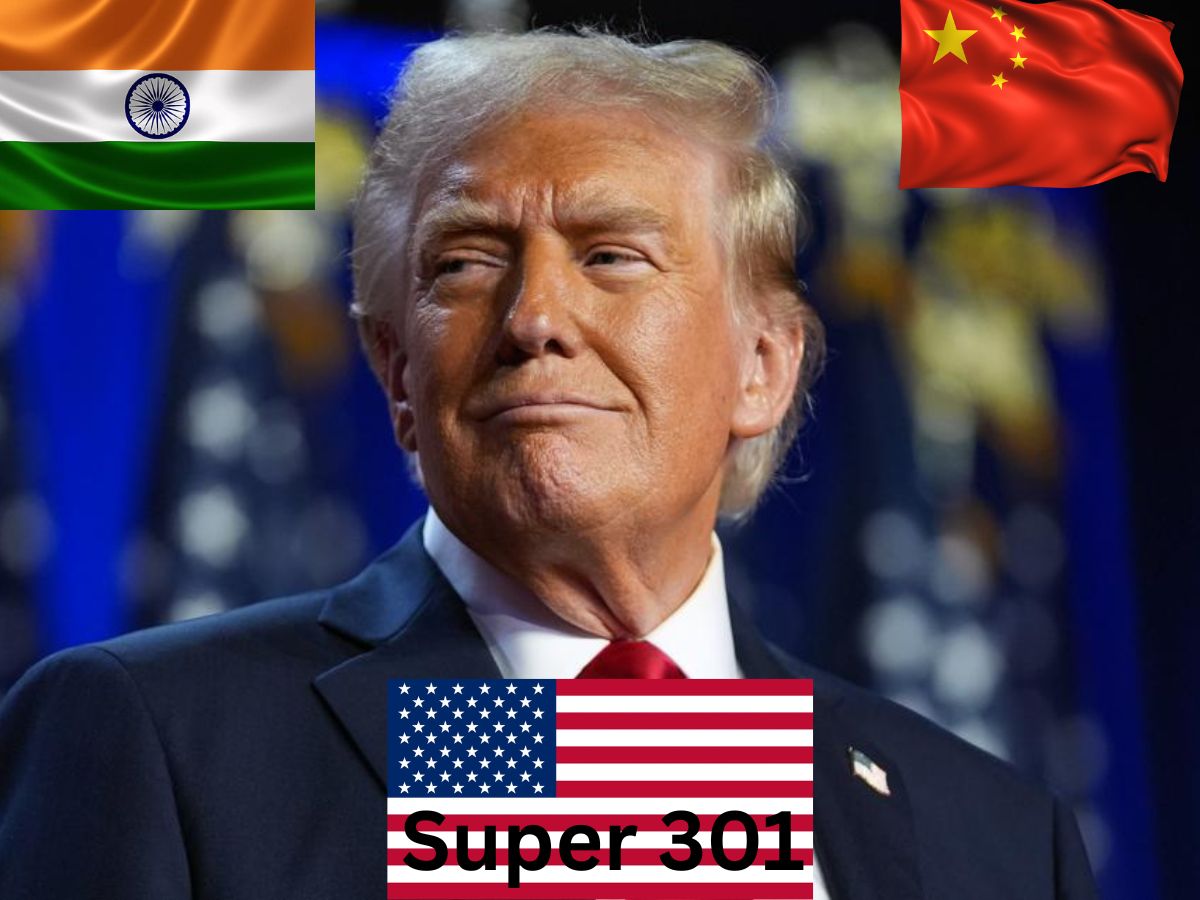
US has raised tariffs for imports from India, 25% since 7th August, 2025 and the additional 25% from 27th this month. A similar tool that had been at play to threaten Indian trade is Super 301. As US eases its tariffs against China, India stands targetted, citing ‘unfair trade’. Well, a 150-crore people wide market doesn’t need a lecture from a decaying ex-giant economy. If India is a ‘dead economy’, why are US tech giants so eager to enter its market?
Also Read | Affordable AI: Chat GPT Go launched in India at just ₹399
Super 301 provisions
Super 301 is a provision under Section 301 of the US Trade Act of 1974, which was significantly enhanced by the 1988 Omnibus Trade and Competitiveness Act. It authorizes the United States Trade Representative (USTR) to determine nations that utilize “unfair trade practices” as obstacles to US exports and to raise tariffs or trade sanctions to force the nations to change. While initially directed at leading economic competitors such as Japan, India has often been the target under this section, becoming known as a chronic target of US trade attention.
Origins and Use
Super 301 was originally drafted in the late 1980s to target Japan’s trade measures that led to massive trade imbalances. Japan was said to be tightly protecting its markets and limiting US exports. In May 1989, though, India was surprisingly included in the first Super 301 list together with Japan and Brazil. Even though India’s relatively small trade surplus with the US, it was the only country selected for a number of restrictive actions including quotas on foreign investment, barriers in insurance and movie sectors, a lack of proper intellectual property protections, and bureaucratic trade processes.
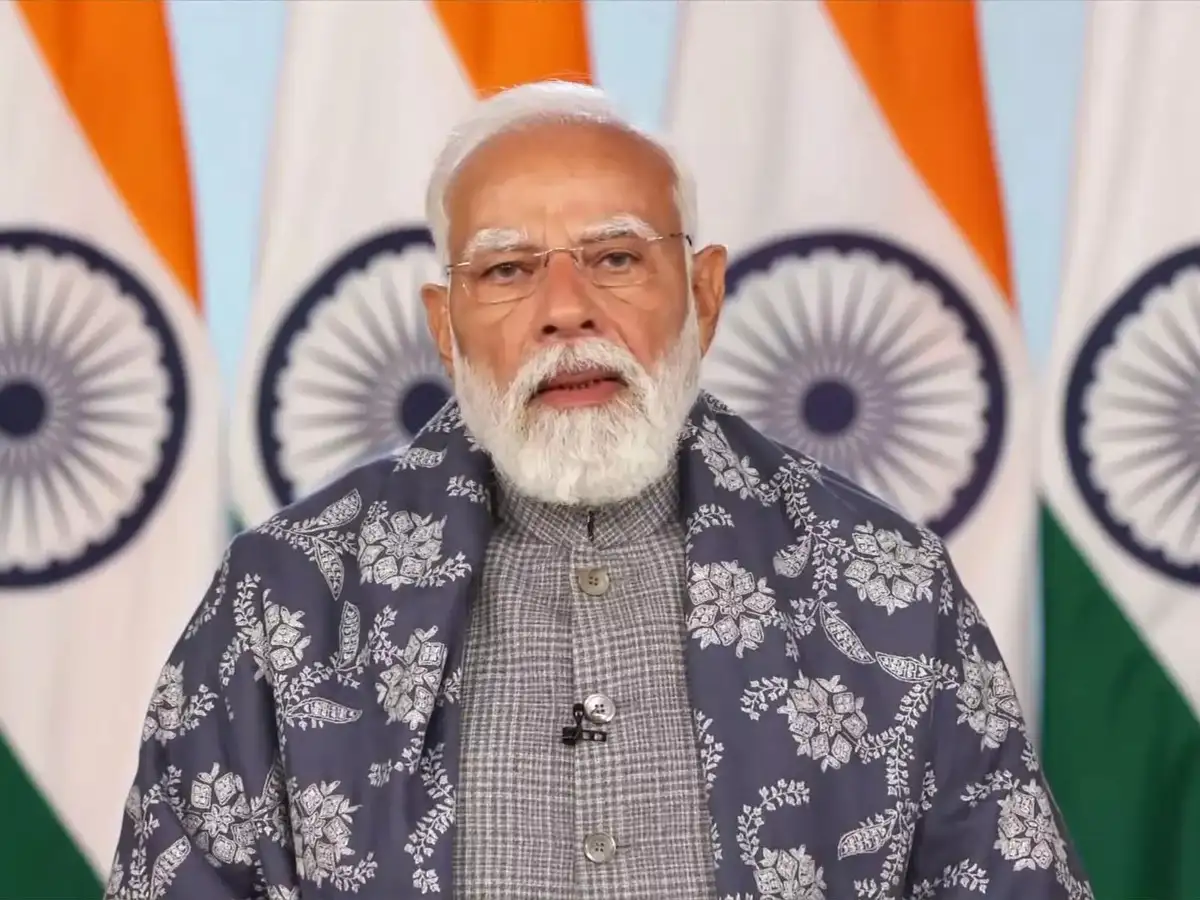
Also Read | ‘Nothing-doing, Mr. Trump’, PM Modi’s Clear Message on Agro-Dairy
India protested this designation, with political figures such as Rajiv Gandhi and then VP Singh rebuking it as interference in India’s sovereign economic policy. The US did not implement these in their entirety against India and the dispute relaxed as India initiated far-reaching economic reforms in 1991, opening its markets and easing some US concerns.
Reason India Becomes Frequent Target
The constant targeting of India under Super 301 is a result of different economic and geopolitical forces. India’s fast growth, huge market potential, and rising trade deficits with the US make it a consistent priority for American trade enforcement. The US blames India’s tariffs, import restrictions, technology transfer requirements, and intellectual property regime for its trade issues. Geopolitical considerations, too, such as India’s acquisition of Russian crude oil under US sanctions, add fuel to trade tensions.
Also Read | Hon’ble Trump, You Messed With The Wrong Country!
Double Standard with China-India
Though China has been the US’s principal trade competitor, the US has been growing more concerned with India with changing global priorities. India is regarded as a rising market and also a potential competitor in industries from pharmaceuticals to information technology. Super 301 has thus become a metaphor for how the US applies trade instruments to pressurize India to liberalize more and follow global trade standards.
Impact on India-US Relations and Indian Policy
Super 301 has highlighted the delicate balance between defending national economic sovereignty and resisting trade pressure from a superpower. India has reacted with a combination of diplomatic efforts, policy changes, and the exercise of its right to design independent trade policies. The Super 301 experience has led India to actively enhance its trade regime while defending its domestic sectors against hostile external pressures.
India’s response to Super 301 pressures offers lessons in resilience and pragmatism. It shows that India may endure trade disputes without collapsing to punitive sanctions, still pursuing reforms on its own agenda.
Conclusion
Super 301 is a reminder of how US trade policy too often puts India in the radar for strategic economic and geopolitical reasons. US will have to shred its double standards of playing soft on countries like China, while trying to bully countries like India. Fair, should be fair enough.