Air quality in Delhi continued to deteriorate on Friday, with several areas slipping below the ‘severe’ mark, raising serious concerns for public health. Recent surveys show that almost 80% of households in Delhi-NCR had at least one family member fall sick due to polluted air in the past month.
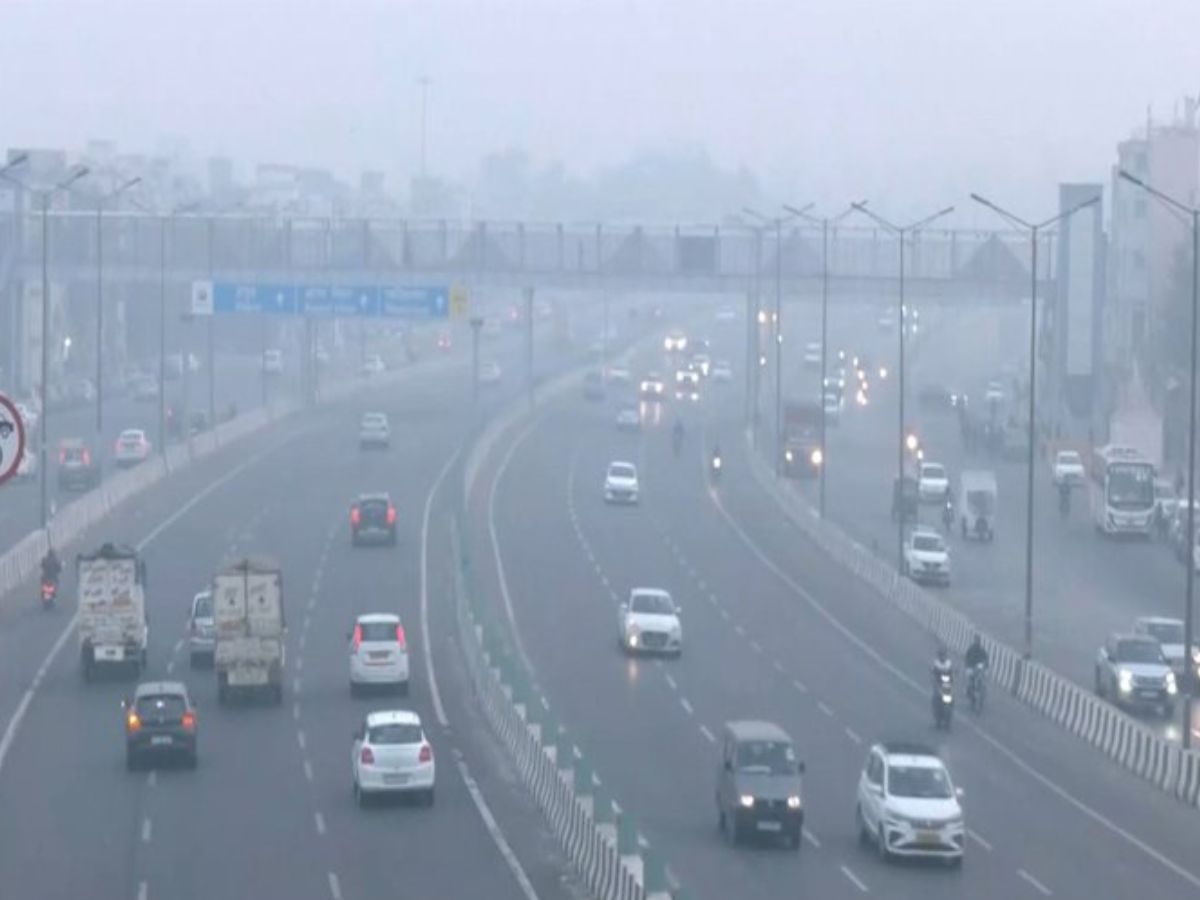
The visuals from the area around Akshardham this morning shows a layer of toxic smog which blankets the city. AQI (Air Quality Index) around the area is 416, categorised as ‘Severe’, as claimed by CPCB (Central Pollution Control Board).
#WATCH | Delhi: Visuals from the area around Akshardham this morning as a layer of toxic smog blankets the city.
AQI (Air Quality Index) around the area is 416, categorised as ‘Severe’, as claimed by CPCB (Central Pollution Control Board). pic.twitter.com/r31J75X1AC
— ANI (@ANI) November 21, 2025
Experts have described the situation as a “public health emergency” and noted that long-term research clearly shows that air pollution reduces life expectancy. Doctors also said that while using air purifiers and masks can offer some personal protection, only strong year-round policy measures can control the crisis.
Key Developments on Delhi Air Pollution
Delhi Records Very Poor Air for Eighth Straight Day
On Friday morning, Delhi recorded a 24-hour average Air Quality Index (AQI) of 370, according to the government’s Sameer app. This is the eighth day in a row that the city has remained in the ‘very poor’ category. The Central Pollution Control Board (CPCB) reported AQI readings of 392 on Wednesday, 374 on Tuesday, and 351 on Monday, showing a steady increase in pollution levels this week.
18 Monitoring Stations in ‘Severe’ Category
More than 18 AQI stations across the city reported levels above 400. Areas showing extremely poor air quality include Chandni Chowk, Bawana, Narela, Anand Vihar, Mundka, DTU, and Wazirpur, many of which frequently cross the 400–450 level.
Air Expected to Get Worse
The Air Quality Early Warning System of the Ministry of Earth Sciences has predicted that the city’s air quality may fall into the ‘severe’ range and remain between ‘very poor’ and ‘severe’ for the next six days because of stagnant winds and winter weather conditions.
Sources of Pollution
As per IITM’s Decision Support System, vehicles caused 17.3% of PM2.5 pollution on Thursday, while stubble burning added 2.8%. These contributions are expected to decrease slightly to 16.2% and 1.8% on Friday.
Farm Fires Recorded in Punjab, Haryana, and UP
Satellite images detected 16 stubble-burning incidents in Punjab, 11 in Haryana, and 115 in Uttar Pradesh earlier this week. Though the numbers are relatively low, the smoke adds to background pollution under slow-moving winter air.
Hospitals See Rise in Pollution-Linked Cases
Doctors from AIIMS said the situation has crossed into “medical emergency” territory, with hospitals reporting a 10–15% rise in patients showing respiratory distress and other pollution-related symptoms.
Dr. Anant Mohan from AIIMS said, “The pollution here is absolutely severe and life-threatening. This situation has been going on for the last ten years. We try to do something every time, but in reality, on the ground, I don’t see much change. The responsible agencies should take drastic steps over time. Not just respiratory, it’s now affecting other organs as well. Many are facing life-threatening situations. There’s definitely been an increase in both outpatient and emergency rooms. Many people even have to be put on ventilators. It should be treated like a public health emergency.”
He added, “Pollution harms the heart, brain, mental health—every physiological system. It affects unborn children and the elderly. We now have clear evidence that it cuts life expectancy.”
Doctors said hospitals are full of people suffering from wheezing, breathlessness, burning eyes, and worsening COPD.
Dr. Saurabh Mittal from AIIMS remarked, “Delhi makes a huge mistake treating pollution as a November-only issue. Water sprinklers and street sprays offer only marginal benefit. The city needs year-round action, not seasonal panic.”
Are Masks Effective?
Doctors noted that masks and air purifiers “offer limited individual protection” and cannot replace long-term systemic interventions.
Pollution Affecting Delhi Families
A LocalCircles survey found that 8 out of 10 households in the Delhi region had at least one member fall ill due to polluted air in the past month. Additionally:
-
36% households had four or more people showing respiratory or pollution-related issues
-
Families reported cough, headaches, burning eyes, blocked nose, and worsening asthma
Supreme Court Seeks Action
Earlier this week, the Supreme Court told the Commission for Air Quality Management (CAQM) to consider postponing upcoming school sports events, stating that forcing children to practice outdoors was like making them “train in gas chambers.” The Court also ordered monthly checks on progress and asked states to follow CAQM’s stubble-burning guidelines “scrupulously.”
Public Outcry Growing
Residents, including parents and children, have started protesting at India Gate and Jantar Mantar. Many expressed frustration that despite strict rules under the pollution control plan, actual enforcement remains weak. They also said that lack of long-term planning and “year-round political inaction” has forced them to take to the streets. They pointed out that while restrictions affect daily wage earners and workers, pollution levels continue to remain high.
Also Read: Delhi-NCR Weather Alert: Temperature Falls Amid Fog & Declining Air Quality