
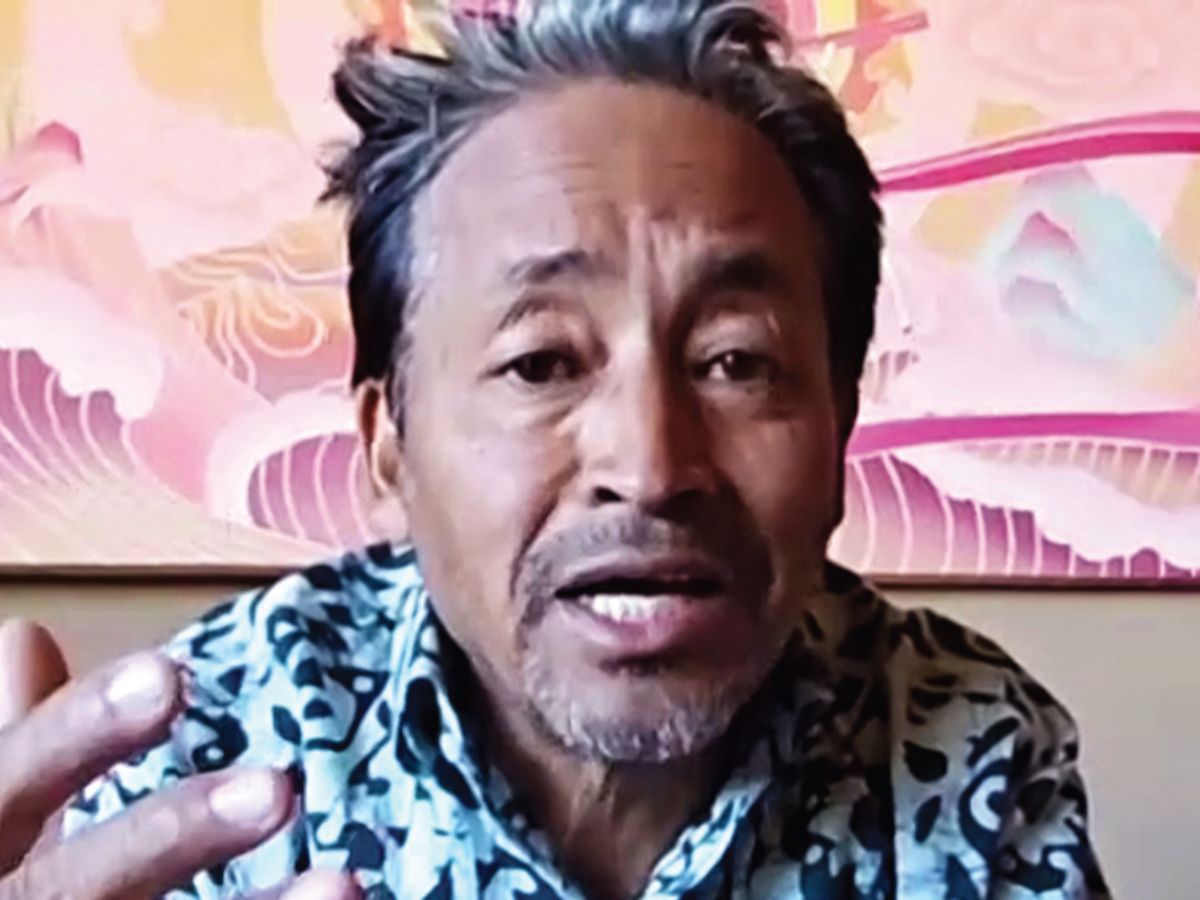
The Supreme Court is set to hear on Monday a plea filed by Gitanjali J Angmo, wife of jailed climate activist Sonam Wangchuk, challenging his detention under the National Security Act (NSA). A bench comprising Justice Aravind Kumar and Justice P B Varale is likely to take up the matter.
Wangchuk, currently lodged in Jodhpur Central Jail, on January 29 denied allegations that he made statements aimed at overthrowing the government akin to the Arab Spring, asserting that he has a democratic right to criticise policies and protest peacefully.
Senior advocate Kapil Sibal, appearing for Angmo, earlier submitted that the police relied on a selective video clip to mislead the detaining authority. The court had also directed that Wangchuk be medically examined by a specialist after he complained of stomach ailments allegedly caused by contaminated water.
Angmo has contended that her husband’s detention is illegal, arbitrary, and violative of his fundamental rights. On November 24, the apex court had deferred the hearing after Solicitor General Tushar Mehta, appearing for the Centre and the Union Territory of Ladakh, sought time to respond to the rejoinder filed by Angmo. Earlier, on October 29, the court had sought responses from the Centre and Ladakh administration on the amended plea.
Wangchuk was detained under the NSA on September 26, two days after violent protests in Ladakh demanding statehood and Sixth Schedule status left four people dead and 90 injured. The government has accused him of inciting the violence.
The amended plea argues that the detention order is based on “stale FIRs, vague imputations and speculative assertions” and lacks any live or proximate link to the grounds cited for preventive detention. It claims such action amounts to a gross abuse of authority, undermining constitutional liberties and due process.
The plea further said it was preposterous to portray Wangchuk—who has been recognised for over three decades at the state, national, and international levels for his work in education, innovation, and environmental conservation—as a threat to public order.
Angmo has maintained that the violent incidents in Leh on September 24 cannot be attributed to Wangchuk, noting that he had condemned the violence on social media and stated that it would derail Ladakh’s peaceful struggle, describing the day as the saddest of his life.
The National Security Act empowers the Centre and state governments to detain individuals to prevent them from acting in a manner prejudicial to the defence of India. The maximum period of detention under the Act is 12 months, though it can be revoked earlier.